
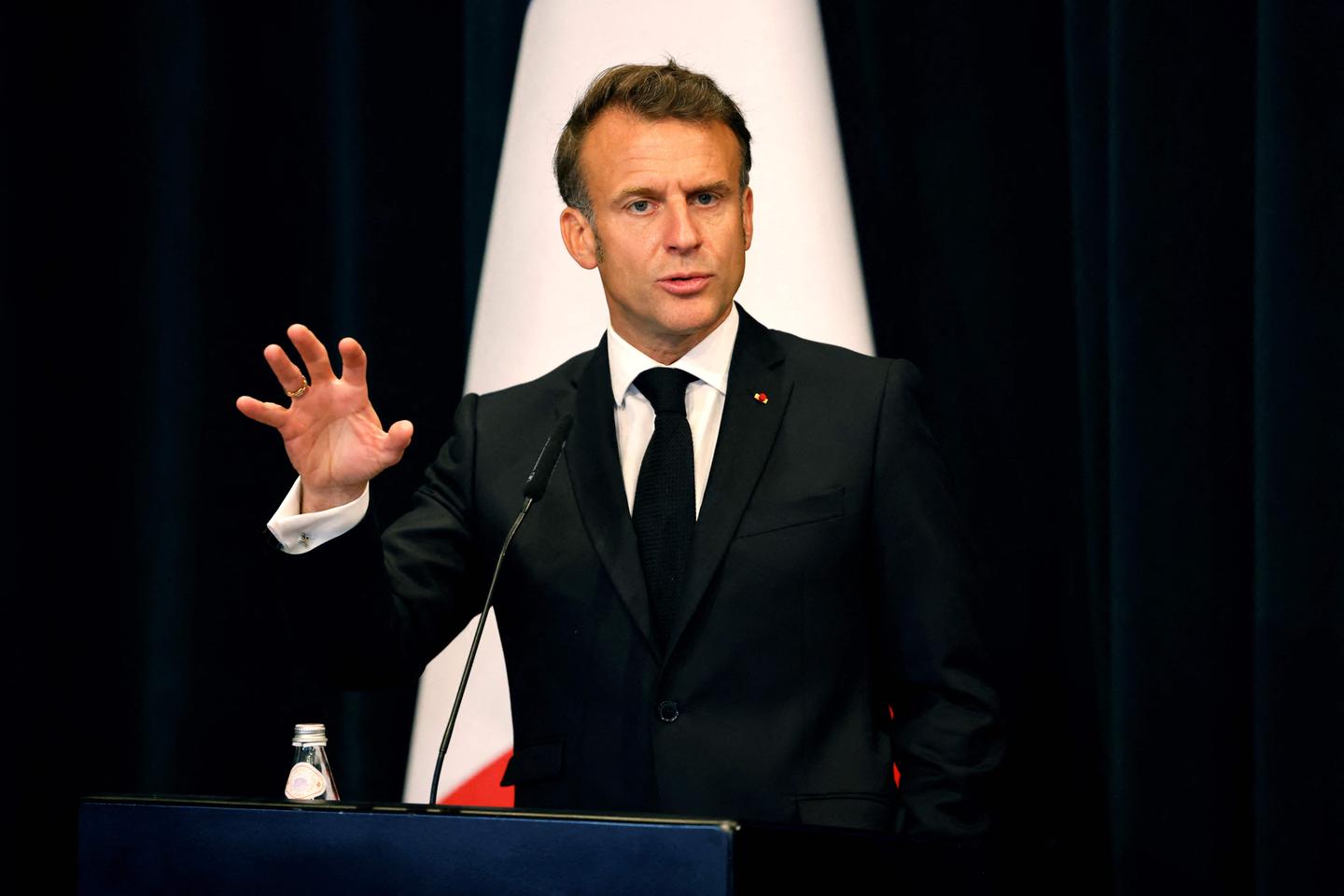
Emmanuel Macron’s Stance on Islamism: A National Security Concern
Introduction
On May 17, 2025, in Tirana, Albania, French President Emmanuel Macron participated in discussions relevant to national security. Following this, a critical Defense Council was convened on May 21 to discuss a report concerning the Muslim Brotherhood and political Islamism. This document has raised significant alarms about the threat to national cohesion posed by Islamism.
The Alarming Report
The report, which has been acquired by France-Presse, indicates a growing concern regarding the influence of the Muslim Brotherhood in French society. The findings emphasize that Islamism is developing "from below," particularly through community associations and local municipalities. According to the Elysée Palace, President Macron has urged the government, led by François Bayrou, to formulate new proposals in response to the severity of the facts outlined in the report.
Key Findings
- The report categorically states that the development of Islamism poses a threat to both national cohesion and the integrity of republican institutions.
- Interior Minister Bruno Retailleau highlighted two principal threats during a Senate session: one targeting republican regimes and the other, national cohesion.
Government Response
In light of these findings, the government is being urged to take decisive action. Retailleau stressed the need for a better organization of the State, recommending the appointment of a real leader in intelligence alongside an administrative prosecutor’s office at the Ministry of the Interior. This initiative aims to streamline the processes involved in dissolving organizations that are deemed threats to the Republic.
Combatting Financial Circuits
The significance of addressing financial channels that support Islamist activities cannot be overstated. Retailleau pointed out existing gaps in the current system that weaken efforts to curb these financial activities. Furthermore, he advocated for a robust awareness strategy targeting the general public, accompanied by training programs for civil servants and local elected officials.
Reactions from Muslim Associations
The Muslim Association of France, identified in the report as the national branch of the Muslim Brotherhood, vehemently rejected the accusations against them. They argued that such claims do not accurately represent their institutional actions or values, emphasizing their commitment to republican principles. The association cautioned that amalgamations between Islam, political Islamism, and radicalism can have detrimental effects on the Republic.
CFCM’s Position
The French Council for Muslim Worship (CFCM), which has seen a decline in influence since 2021, voiced significant concerns over the report’s implications. They stressed that the fight against extremism posing as Islam is a top priority, but they also pointed out that the lack of precise definitions of terms used in the report generates confusion among many Muslim citizens, making them feel perpetually suspicious.
Awareness Initiatives
The Defense Council’s work is aligned with Macron’s previous initiatives that seek to address Islamism and separatism. The Mureaux speech in 2020, which emphasized the importance of maintaining the Republic’s principles, led to the law on the principles and values of the Republic in 2021. Now, the objective of the latest report is to raise awareness regarding the emerging threats and inform local elected officials about the dynamics at play, particularly as the 2026 municipal elections approach.
Long-Term Strategy
The report outlines concerns about the charitable dynamics on the ground, linking them to Islamist activities. Elysée officials noted the necessity of not conflating initiatives promoting Islam with strategies targeting Islamism and its radical factions.
The Role of Social Media
In the modern landscape, social networks have become significant conduits for propagating Islamist ideologies. The report advises vigilance regarding how these platforms are exploited to challenge the principles of secularism upheld by the state.
Conclusion
The findings and subsequent discussions reflect a critical moment in France’s approach to countering radical ideologies. As Emmanuel Macron and his government prepare to introduce new proposals, the emphasis lies on striking a balance between national security and the values of pluralism. The outcome of these preparations will significantly influence not just the immediate landscape of politics in France, but will also echo throughout Europe as challenges posed by Islamism continue to evolve.
By ensuring a proactive approach while recognizing the complexities of the issue, the government aims to bolster national cohesion and safeguard the foundational values of the Republic. The pathway forward requires nuance, robust dialogue, and continuous engagement with all stakeholders involved.