
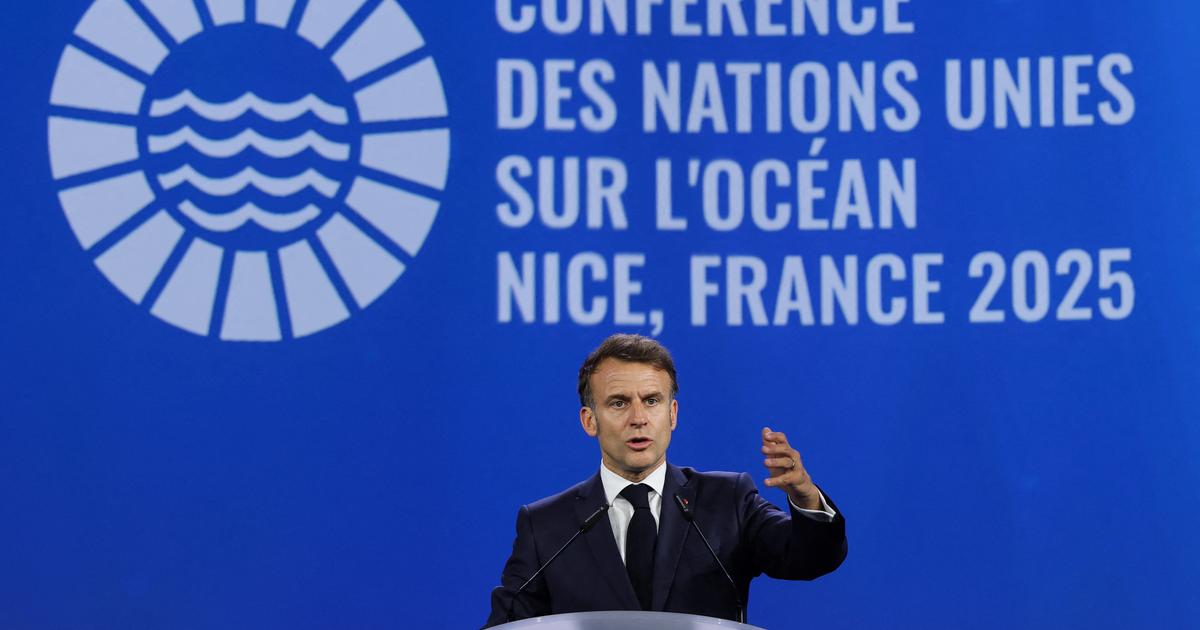
On June 4, 2023, French President Emmanuel Macron delivered a compelling address in Nice on the eve of the UN Ocean Summit . Following a state visit to Monaco , he expressed serious concerns about those who challenge the prioritization of climate issues within public discourse. Macron described this situation as an “enormous error” , emphasizing the urgent need for global leaders to recognize and address the ongoing threats posed to our oceans and ecosystems.
The president’s remarks were made after listening to the recommendations of over 2,000 researchers gathered in Nice for a pre-summit conference. These experts collected data and insights to advocate for greater governmental support for climate science and oceanic studies. Macron stressed the importance of these voices, urging that they should not only be heard but also valued in the decision-making processes regarding environmental policy.
Concerning Trends in Climate Policy
Macron’s criticism was particularly pointed when addressing the perception that funding for scientific research should be reduced. “ Reduce funding for science? That is no longer a priority. Move along; there’s nothing to see here. We’ll take care of it or manage crisis after crisis… an enormous error ,” he remarked, signaling the urgent need to take proactive measures rather than adopt a reactive stance towards environmental crises. The president’s words served as a stark reminder that neglecting climate science in favor of short-term interests will have long-lasting and possibly catastrophic effects.
Macron highlighted the magnitude of the challenges we’re currently facing, stating, “ We are at the worst possible moment! We are confronting five simultaneous crises: biodiversity, water, food, health, and climate change. And these five crises are interconnected. ” This interrelation underscores the need for a comprehensive approach to environmental policy that considers the multi-dimensional factors affecting our planet.
The Impact of Global Politics on Climate Issues
A significant point of concern for Macron was the withdrawal of support from the Trump administration for international climate agreements and research funding. He noted that the United States had been a crucial contributor to global scientific efforts, and the loss of that support posed severe risks to the future of climate science worldwide. “Many are challenging multilateralism and its institutions. Today, we are also witnessing a challenge to the emphasis given to the climate debate in public discourse, including in France,” he pointed out, highlighting a troubling trend that extends beyond national borders.
Furthermore, Macron pledged to support researchers and elected officials who are grappling with issues such as rising sea levels and increasing storms. He assured them that he would “ not let go ,” committing to champion the responsibility of addressing these climatic challenges on a global scale. This public vow not only aims to reassure the scientific community but also to galvanize public support for a more proactive climate agenda.
The Role of Global Coalitions
The establishment of the coalition of coastal cities , announced just before Macron’s address, illustrates a collaborative effort to tackle these pressing issues. With numerous cities around the globe facing similar threats, the need for cooperative strategies to share resources and solutions has never been more critical. Macron’s administration aims to foster such collaborations to ensure coastal communities are equipped to handle the multifaceted impacts of climate change.
As the UN Ocean Summit approaches, Macron’s message resonates with a growing sense of urgency among nations to tackle climate issues seriously. The call for action is supported by a wealth of scientific knowledge and the collective expertise of thousands of researchers dedicated to understanding the complexities of our planet’s systems. France stands at a crossroads where the decisions made in the coming days and years will define its commitment to combating climate change and protecting our oceans for future generations.
In summary, as global leaders gather to discuss solutions at the UN Ocean Summit, Macron’s emphatic call for prioritizing climate science and collaboration is a vital message that underscores the need for immediate and sustained action. As environmental crises deepen and interconnect, it becomes increasingly clear that only through unified and decisive action can we hope to forge a sustainable future for our oceans and the planet as a whole.
Arrivé à Nice pour le sommet de l’Onu pour les océans, après une visite d’État à Monaco, le président a dénoncé ceux qui veulent remettre en cause «la priorité dans le débat public donné au climat».
General News – 2