
The Ambitious Project: A Modern Noah’s Ark
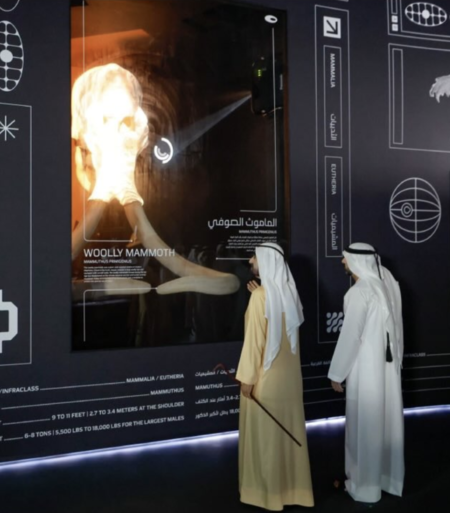
In a remarkable endeavor, the United Arab Emirates has allocated a staggering $60 million to fund a venture that aims to resurrect extinct species, notably the mammoth. This initiative is led by Colossal Biosciences, a biotechnology company devoted to reviving species thought to be long gone. Their ambitious project could redefine preservation efforts and set a groundbreaking benchmark in the world of science.
Who is Colossal?
Colossal has garnered attention for its audacious goal of not only bringing back the woolly mammoth but also other extinct species like the dodo, moa, and Tasmanian tiger. The company utilizes well-preserved DNA samples to achieve these aims, drawing the interest of notable figures, including filmmaker Peter Jackson.
With an impressive valuation of over $10 billion, Colossal has attracted substantial investments, including $25 million from Jackson himself. This financial backing reflects the growing interest in biotechnology and the potential to reverse extinction.
The BioVault Initiative
One significant aspect of Colossal’s venture is the creation of the BioVault. While critics may argue about the feasibility of resurrecting extinct species, Colossal has made strides, including successfully reviving the giant wolf. The process involves extracting DNA from extinct animals, combining it with genetic material from their living relatives, and then gestating the resulting embryos using surrogate species.
The UAE’s collaboration with Colossal focuses on safeguarding biological diversity rather than directly resurrecting species. BioVault aims to preserve the DNA of over 10,000 endangered species, emphasizing the top 100 most at risk. This “capsule” of biodiversity could be crucial for conservation efforts.
Investment in the Future
The financial commitment from the UAE results in a visionary project that will materialize within the luxurious confines of Dubai’s Museum of the Future by 2027. This architectural marvel, inaugurated in 2022, presents not just a look at the past but a journey into what is to come. The museum’s focus on revolutionary concepts and sustainability aligns perfectly with the ambitious aims of the BioVault project.
A Global Backup Plan
Colossal’s co-founder, Ben Lamm, emphasizes the urgent need for a global network of BioVaults, serving as a “backup plan for life on Earth.” He criticizes current biobanks for their lack of collaboration and funding, stating that an estimated half of Earth’s species could face extinction by 2050. The BioVault aims to combat this impending crisis by providing a comprehensive approach to biological preservation.
The Ethical Dilemma
Despite the excitement surrounding these ambitious efforts, a pressing question remains: Is it ethical to resurrect species when their ecological environments have deteriorated? The pursuit of cloning and de-extinction raises complex ecological and ethical concerns. As the project unfolds, it will be crucial to consider the implications of bringing back species that may no longer fit into today’s ecosystems.
As we gaze into the future, the UAE’s investment in Colossal and the modern Noah’s Ark concept could signify a pivotal moment in global conservation efforts. We stand at the crossroads of innovation and ethics, prompting a reevaluation of humanity’s role in the stewardship of our planet.