
No News Is Good News?
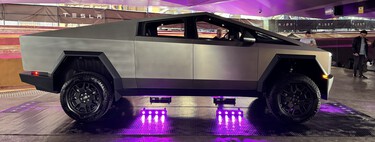
“No news is good news.” This saying dates back to James I of England in 1616, though its precise origins may remain uncertain. Whether its roots are English, Italian, or elsewhere, this age-old adage feels particularly relevant today—especially in the context of Tesla’s much-hyped Cybertruck.
The Cybertruck’s Bumpy Journey
The Cybertruck made waves long before it hit the market, creating immense buzz. Initially met with excitement and a frenzied public response, expectations soared. However, it didn’t take long for challenges to surface. Reports of reliability issues cast a shadow over Tesla’s “indestructible” promise, raising questions about safety and quality.
A Pricey Proposition
To add to the turmoil, the Cybertruck launched at a price far above what many anticipated. Despite this, consumer enthusiasm was palpable, but as time progressed, that fervor began to wane. Buyers began to question whether the Cybertruck was a worthy investment, with some even facing significant financial losses. Others found themselves with vehicles they couldn’t sell, as reliability issues mounted.
Wheels Falling Off: An Unwelcome Surprise
Just when it seemed that the storm had calmed, Tesla faced yet another hurdle—this time involving recalls. U.S. regulatory agencies reported that the Cybertruck had a serious defect: the wheels could fall off. This alarming news prompted a recall for what has now become the company’s eleventh major rework of the vehicle.
Ongoing Reliability Concerns
This isn’t Tesla’s first rodeo with recalls. Previous issues have ranged from trim components detaching to software glitches affecting essential functions like windshield wipers and rear cameras. In the first year alone, Tesla had to issue multiple recalls, highlighting persistent concerns about quality and reliability.
The Market Response
While the Cybertruck has a strong appeal to a specific demographic in the United States, many potential buyers who require a robust work vehicle are hesitant to commit to an electric model. The high consumption rates for towing or hauling significantly impact its practicality, particularly for those living far from civilization. What might have been an aspirational vehicle has become a cautionary tale.
Lost Opportunity?
Tesla had a chance to position the Cybertruck as a flagship model, a stunning representation of what electric vehicles could be. Instead, through a combination of high prices and reliability issues, the company risks losing out on a lucrative segment. It’s a reminder that innovation must not only be cutting-edge but also dependable.
Conclusion: What Lies Ahead?
The journey of the Cybertruck illustrates a vital lesson for the automotive industry: innovation can’t overshadow fundamental design and engineering principles. No amount of hype can cover the cracks—sometimes, no news is indeed a sign of trouble. As Tesla navigates these challenges, the question remains: can they turn the Cybertruck into the success they envisioned, or will it remain a cautionary tale of ambition without execution?
In the end, the Cybertruck serves as a significant case study, reminding us all that bold promises must stand up to reality.