
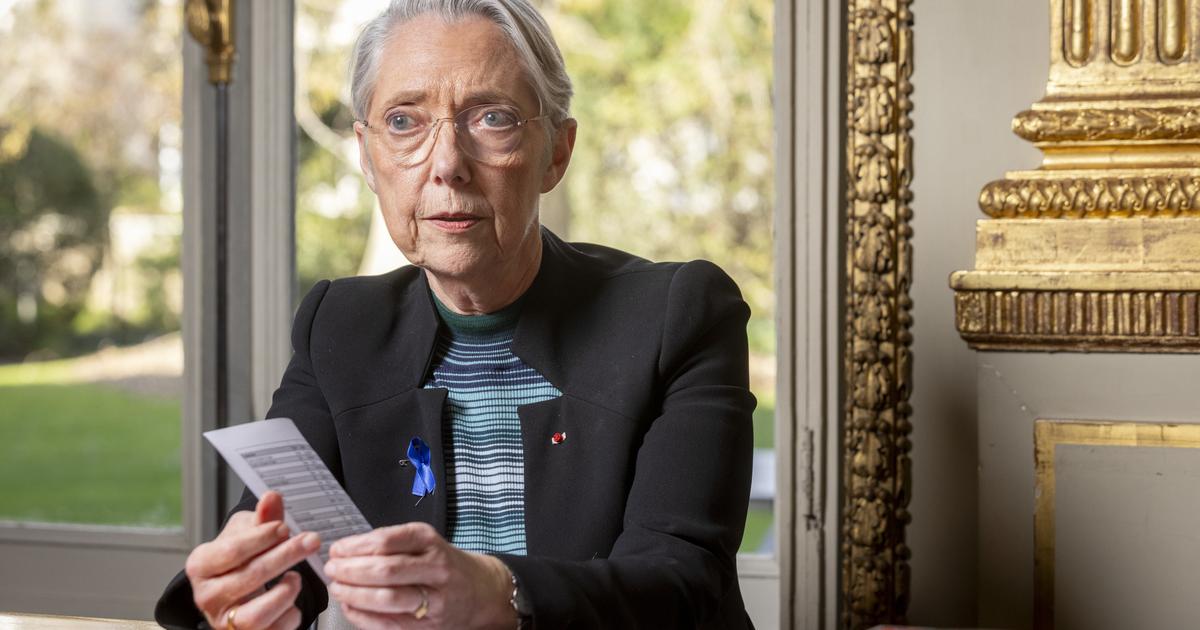
Elisabeth Borne’s Education Reform: A Focus on Orientation
In a significant move aimed at enhancing the future of French education, Education and Higher Education Minister Elisabeth Borne has announced a comprehensive plan to improve student orientation from middle school through university. This initiative is designed to address the pressing issues of stress among students and their families while combating the pervasive inequalities in educational access across different socio-economic backgrounds.
Borne emphasized that a substantial number of children from higher socio-economic classes, such as managerial and professional families, have a high success rate in transitioning to general education tracks—about 90% move on to general and technological education in high school. In stark contrast, only 50% of children from working-class families achieve this milestone. There exists a glaring disparity, particularly in rural areas where educational options are limited. For instance, three-quarters of students in dense urban zones progress to general secondary education, while in remote rural areas, this figure drops below 50%.
Borne firmly states, “My goal is to break these biases. Orientation must be rethought to ensure equitable access for all students.” She highlighted that girls, in particular, face challenges in accessing fields like engineering and digital technologies. It is imperative that the education system not only expands career paths but also promotes inclusivity and diversity within these sectors.
Understanding the Challenges in Education
Borne’s interview underlined the alarming statistics that highlight the inequalities present within the French education system. In areas with limited diversity of educational pathways, students suffer from a lack of options. The difference in access to quality education is not merely a statistic; it represents the future of countless young individuals.
“There is a tangible stress associated with the decision-making process regarding educational pathways,” Borne observed. The Minister is acutely aware that these choices not only set the precedent for academic success but also greatly influence future employment opportunities. Her campaign aims to alleviate this pressure by offering a clearer and more supportive trajectory for students during a pivotal period in their lives.
Proposed Solutions and Initiatives
To combat these issues, Borne has proposed several initiatives aimed at reforming the orientation process within French schools. These include:
Enhanced Access to Information: Students and their families will have more resources at their disposal to make informed choices about educational and career opportunities.
Diversity of Pathways: Educational institutions are encouraged to showcase a broader range of options, particularly in fields underrepresented by female students.
Targeted Support Programs: Programs will be developed to specifically assist students from disadvantaged backgrounds in navigating educational pathways effectively.
- Collaboration with Businesses: Strengthening partnerships between educational institutions and companies to facilitate internships, apprenticeships, and hands-on experiences for students.
Borne aims not only to make these changes but to create an ongoing dialogue about education reform. She recognizes that true change will only come through sustained commitment and collaboration across all levels of the educational system.
The Importance of a Holistic Approach
Implementing these reforms requires a holistic approach — one that considers not only the structural aspects of education but the emotional and psychological burden placed on students and their families. Borne has emphasized the necessity of creating a supportive environment that encourages students to pursue their passions without the fear of failure.
“This plan is not merely about reshaping routes; it’s about nurturing potential,” she remarked. An organized support structure can help mitigate the anxieties that often accompany educational choices, allowing students to feel more confident in their decisions.
Borne envisions a future where every child, regardless of their background or where they live, has the opportunity to succeed. This isn’t just a goal; it’s a necessity for a prosperous society.
The Minister’s initiative is set against the backdrop of continued discussions surrounding educational equality, thriving not only in metropolitan areas but also extending to rural and underserved communities.
In conclusion, while Elisabeth Borne’s announcements represent a significant step forward in addressing educational reform and orientation in France, the real challenge lies in the implementation and sustainability of these initiatives. Ensuring that all students have access to a diverse range of educational paths will require ongoing collaboration, investment, and commitment from various stakeholders within the educational system. Only then can we hope to see a truly equitable education landscape in France.