
Citizen-Led Border Checks Spark Controversy in the Netherlands
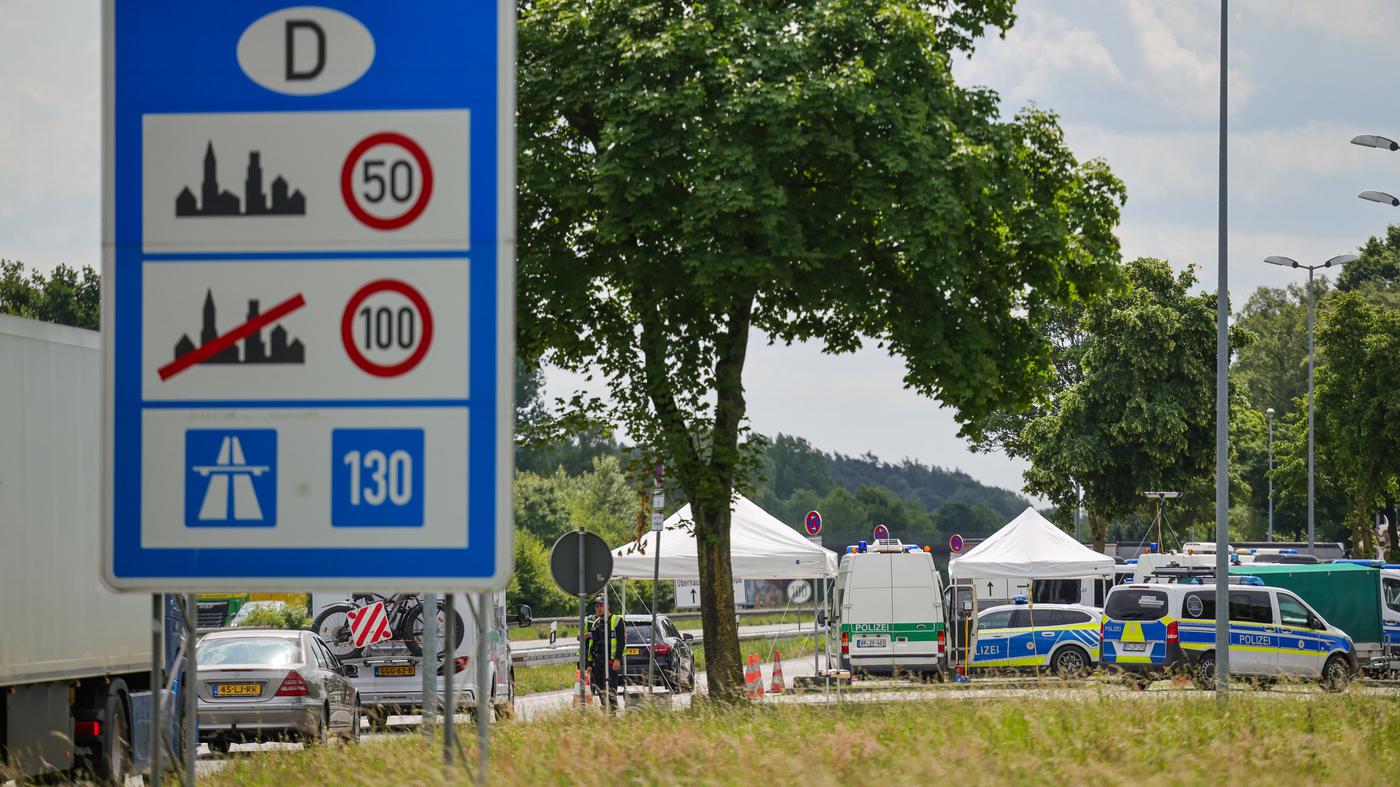
In the heated debate over asylum policies in the Netherlands , citizens have taken it upon themselves to organize vehicle checks at the German border. On Saturday evening , individuals equipped with high-visibility vests and flashlights stopped cars along Federal Highway 408, which runs from Haren (Ems) in Lower Saxony towards the central asylum reception center in Ter Apel, Netherlands. Media outlets have reported on these checks, some even sharing video footage of the activities.
The situation escalated further when, on Tuesday , the Dutch government collapsed amid disputes over the implementation of stricter asylum policies. The coalition, once unified, could not come to a consensus regarding the ongoing influx of asylum seekers.
Government Response to Citizen Initiatives
The interim Migration Minister , David van Weel , urged the public on Sunday evening not to take the law into their own hands. “The influx of asylum seekers must be reduced. Therefore, we advocate for stricter asylum laws and improved border controls,” he stated. He expressed understanding for public frustration but emphasized, ” Do not take the law into your own hands. Allow the police and border patrol to do their jobs. Respect the law,” van Weel warned the citizens.
This call for caution came as the actions of these citizens raised concerns among officials about safety and legality.
Geert Wilders Praises Citizen Actions
In stark contrast, right-wing populist Geert Wilders referred to the citizen-led checks as a “fantastic initiative.” He claimed, “This should happen everywhere at the border.” If the Prime Minister does not immediately deploy the army for border checks, he insisted, “we should do it ourselves.” Wilders declared his intention to join future border checks organized by citizens.
The leader of the Party for Freedom (PVV) announced his party’s withdrawal from the four-party coalition earlier that week, citing dissatisfaction that coalition partners had not accommodated his demands for a hardline stance on asylum policy.
Social Media Calls for Action
The involvement of citizens in this controversial initiative is not merely grassroots dissatisfaction. Calls for border checks have proliferated on social media, catalyzing more organized actions. Both the Dutch police and the border municipality, Westerwolde , issued statements declaring that it is illegal for the public to stop vehicles; only police are authorized to conduct such actions.
“Such actions create extremely dangerous situations on and along the road,” they stated in a joint announcement. “These actions are really not acceptable.” Reports indicated that calls for renewed border checks were already being mobilized on social media for Sunday evening .
Public Support for Tougher Asylum Policies
The unfolding crisis of improper handling of asylum applications and border control has sparked a movement that resonates with a significant part of the Dutch populace. An increasing number of citizens express that urgent action is necessary to address the challenges posed by uncontrolled immigration.
Many of the individuals involved in Saturday’s actions were reportedly dissatisfied with the status quo , as they feel that asylum seekers were crossing the border into the Netherlands with little oversight . “Nothing is happening. Therefore, we just decided to act ourselves,” one participant commented, emphasizing the urgency of the situation.
While the actions are viewed as a daring stand against government inaction by some, they also reveal significant rifts within Dutch society regarding asylum and immigration policies. As this situation continues to unfold, much speculation exists around how the government will respond to both the citizen-led initiatives and the collapsing coalition, especially in the face of rising tensions surrounding immigration.
The recent actions at the border have left many pondering the implications of citizen involvement in national security matters. The long-term effects of these events on Dutch politics and public sentiment remain to be seen, but they undoubtedly highlight the urgency that many feel regarding asylum policies in the Netherlands.