
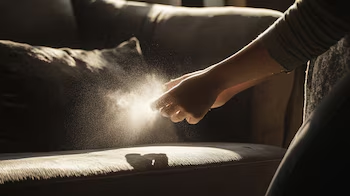
The Toxic Reality of Household Dust in Mexico
The presence of heavy metals in the dust of Mexican homes has been classified as significantly more toxic than levels recorded in European countries such as the United Kingdom and Spain. This alarming finding comes from a recent study conducted by specialists at the National Autonomous University of Mexico (UNAM).
Research Insights from UNAM
This study highlighted that frequent cleaning and home maintenance are crucial for mitigating health risks, particularly for children. According to the UNAM University Laboratory of Environmental Geophysics, household dust can accumulate harmful contaminants that pose serious health threats.
Widespread Contaminants in Household Dust
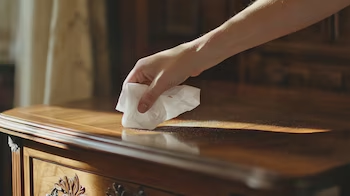
Researchers collected samples from 14 regions across Mexico and found that heavy metal concentrations inside homes are significantly higher than those outside. Key findings indicated elevated levels of magnetic particles and metals such as manganese, nickel, copper, zinc, antimony, and lead.
Specifically, the study revealed concentrations up to 1,221 mg/kg of zinc and 213 mg/kg of lead within homes, compared to external levels of 866 mg/kg of manganese and 118 mg/kg of lead. This stark contrast underscores the importance of understanding the sources of these contaminants.
Sources and Health Implications
The origins of these hazardous substances can be traced to both external sources and internal factors, primarily linked to everyday household activities. The deterioration of paint, walls, and furniture, coupled with cooking using domestic gas, exacerbates the problem by releasing more contaminants into the dust.
According to specialists like Bautista Zúñiga and Avtandil Gogichaishvili, substances such as cadmium and arsenic found in household varnishes can leach out as materials age. Additionally, wear from plastic products introduces antimony into the dust, posing risks to hormonal health.
Heightened Risks for Vulnerable Populations
The implications of this research are stark, particularly for vulnerable populations such as children. Exposure to household dust can lead to various diseases due to dermal contact, inhalation, or ingestion, resulting in hormonal disruptions and potential organ damage.
As highlighted by Zúñiga, Mexico City alone is three times more polluted than several cities in the United Kingdom, emphasizing the urgent need for awareness and action.
Practical Recommendations for Households
To combat these risks, specialists recommend adopting strict cleaning routines, monitoring the condition of household objects, and using natural plants that can filter heavy metals when planted in gardens or window pots.
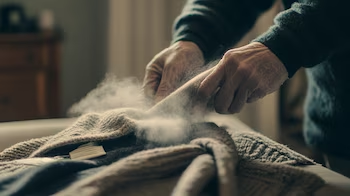
Moreover, it’s crucial to change shoes upon entering homes and wash curtains and textiles more frequently, as these measures form the first line of defense against external dust contamination.
Expanded findings and detailed recommendations are available in the book “Heavy Metals in Urban Environments: Tools for Diagnosis and Case Studies in Mexican Cities”, published by UNAM, which can be accessed for free online.