
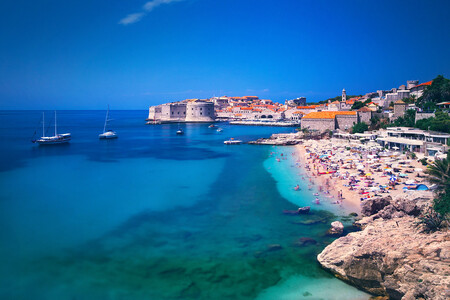
Croatia saw a dramatic rise in tourism , skyrocketing from being a little-known destination to a thriving hub for travelers seeking the last untouched Mediterranean jewels. Among its crown jewels is Dubrovnik , a city that transformed into a must-visit locale rivaling famed tourist spots like Barcelona. However, this rapid growth wasn’t without its challenges, leading to significant consequences for the city and its residents.
The Tourist Explosion
Just a few years ago, Dubrovnik became a paradigm of extreme touristification . The charming walled city witnessed an influx of visitors far exceeding its local population—27 tourists for every resident—and the once-historic center was reduced to a backdrop for mass consumption, heavily influenced by its appearance in popular media like *Game of Thrones*. As a result, UNESCO issued a warning, threatening to revoke its World Heritage status unless the city found a way to control the overwhelming number of tourists. What was supposed to enrich the city started killing its authenticity and driving away locals.
A Radical Transformation
In 2017, the city took significant steps under Mayor Mato Franković, aiming to balance tourism with sustainable living. Instead of merely applying superficial solutions, Dubrovnik set a maximum capacity of 11,200 people within its walls. This was not the end of the changes; the city significantly reduced the number of cruise ships allowed—dropping from eight daily in 2016 to just two, who must now stay for a minimum of eight hours. This shift aims to encourage more meaningful tourism experiences.
To manage the flow of visitors effectively, Dubrovnik employed surveillance cameras and introduced the Dubrovnik Pass , which provides real-time data on visitor numbers. These innovations allow the city to anticipate overcrowded periods and manage visitor flow effectively.
Urban and Social Changes
The transformation wasn’t solely about limiting tourist numbers. The local government initiated a strategic plan to acquire old town buildings, repurposing them for affordable housing aimed at young families. The plan even includes opening a school in a carefully renovated historic palace, which speaks to a commitment to revitalizing family life in the city. Regulations now penalize the short-term tourist rental of homes, thereby encouraging residents to settle back in the historic center.
Curiously, one measure included banning *wheelie suitcases*, urging tourists to use eco-friendly transport options. This step is designed to preserve both the material and immaterial heritage of the city. Dubrovnik clearly signals—it doesn’t want to become another theme park, but instead a living, breathing city.
Managing Visitor Access
From next year, visitors will need to reserve time slots for accessing city walls and museums, featuring a traffic light system to indicate peak and off-peak times. This approach seeks to enhance the visitor experience and prevent overcrowding. However, some residents remain skeptical, viewing these adjustments as merely a vehicle for increasing revenue rather than genuine limitations on tourism.
The limitations on cruises dramatically eased overcrowding during peak summer months, keeping daily visitors below the critical threshold of 10,500 . Yet, not all residents are pleased with the approach. Some, like longtime resident Marc van Bloemen, argue that these measures don’t go far enough in addressing the underlying issues of overtourism and accuse the local government of treating the city merely as an ATM. Others, such as local guide Marko Milos, believe the situation has significantly improved and highlight the reopening of schools and return of families as encouraging signs.
International Perspective
While travel agencies such as Regent Holidays acknowledge Dubrovnik’s experimental approach as a significant shift towards sustainability, they also caution that overly strict regulations may divert travelers to less crowded regions in Croatia, such as Istria or the Adriatic Islands . Nevertheless, Dubrovnik’s decision to prioritize sustainable tourism over immediate financial gains positions it as a potential global reference point. Mayor Franković emphasizes that the long-term goal is to create a healthier balance between visitor numbers and quality of life for residents.
The measures taken by Dubrovnik present an exceptional case in a world where destinations commonly chase unlimited tourist growth. By striving for sustainability over sheer volume, Dubrovnik dares to challenge conventional tourism logic. If successful, it may pave the way for other cities grappling with the tension between economic gain from tourists and the preservation of cultural identity. The future of Dubrovnik hangs in the balance, resting on its ability to redefine what it means to be a tourist destination while enriching the lives of its residents.