
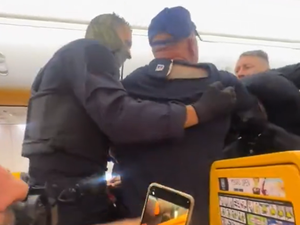
The flight of the Low-Cost airline connecting Leeds in the UK to Alicante in Spain was diverted for an emergency landing at Toulouse-Blagnac airport on September 27. The disruption stemmed from a group of intoxicated British passengers , prompting the intervention of local law enforcement officials to ensure safety aboard the aircraft.
This incident marks yet another alarming episode in the world of air travel where the behavior of a minority can overshadow the experience of many. The flight, operated by Ryanair, was originally intended to deliver its passengers smoothly to their vacation spot. However, upon takeoff, it became evident that several individuals aboard had exceeded their limit with alcohol consumption, leading to unruly behavior.
Emergency Landing Due to Unruly Behavior
According to reports by France 3, the flight had to make an emergency landing after the situation escalated. The onboard crew was forced to call upon the Toulouse gendarmes to manage five intoxicated passengers who were reportedly involved in a physical altercation. Witnesses described the scenes as chaotic, with one passenger noting, “It was a funny start to vacation,” while contrasting the excitement with the unexpected circumstances.
The disturbance reportedly began when two of the intoxicated passengers began loudly antagonizing each other, ignoring multiple requests from the cabin crew to cease their behavior and remain seated. As the situation intensified, other passengers expressed concerns and frustration, indicating a pervasive atmosphere of discomfort.
Passenger Reactions and Social Media Fallout
The swift response from local authorities has been documented through videos shared on social media, sparking a widespread reaction. One traveler expressed dissatisfaction by saying, “They should not have been allowed to get on the plane from the start.” The passenger’s comments highlight key issues surrounding airline regulations and the responsibilities of both passengers and flight attendants in maintaining a safe environment. Furthermore, some passengers were seen drinking tax-free alcohol onboard, contributing to a raucous atmosphere inappropriate for families traveling with children.
“At takeoff, they drank alcohol out of taxes and had noisy and inappropriate conversations for young children sitting nearby,” recounted another witness. Such unruly behavior raises questions about how airlines monitor alcohol consumption and what measures can be implemented to prevent similar incidents in the future.
Legal Implications and Safety Measures
As the incident spiraled into a local police affair, it’s evident that there will be ramifications for those involved. Such disruptive behavior can lead to legal consequences for the individuals responsible and may even result in a ban from the airline. The airline industry is under increasing pressure to enhance safety measures and ensure that incidents like these are addressed vigorously.
This episode isn’t isolated; it mirrors a recent occurrence involving a flight from Bournemouth to Gérone, which was likewise diverted to Toulouse because of a passenger attempting to open a cabin door while inebriated. These repeated instances illustrate a pressing need for airlines to establish stricter regulations and policies to combat alcohol abuse and maintain safe travel environments for all passengers.
As for the airline industry, it faces the continuous challenge of balancing customer satisfaction with safety measures. With the rise of budget airlines, the influx of passengers seeking low-cost travel creates a diversity of backgrounds and behaviors within the cabin. Consequently, flight crews must be adequately trained to manage conflicts effectively, ensuring that the serenity of air travel remains intact for the majority.
The unfolding events surrounding the Ryanair flight serve as a stark reminder of the implications of excessive alcohol consumption during travel. The responsibilities of passengers extend beyond individual enjoyment; they are shared with the airline and the surrounding community. As air travel continues to evolve, so too must the measures in place to safeguard the experience for everyone involved.