
Ukraine’s “Zone of Death”: The Drones Changing the Face of Warfare
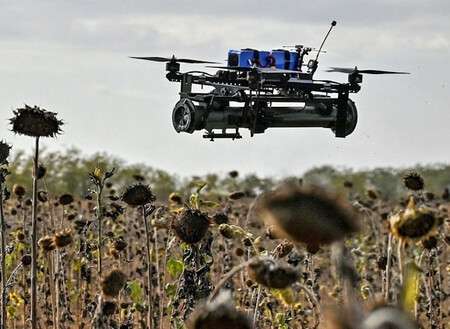
The ongoing Ukraine War has entered a new chapter, one defined not by traditional arms but by drones —unmanned aerial vehicles (UAVs) that have taken on a pivotal role in the conflict. Soldiers on both sides refer to the area extending 10 kilometers on either side of the front as the ” Zone of Death ,” where these drones patrol skies, neutralizing targets at a fraction of the cost associated with conventional weaponry.
Drone Dominance: Tactical Shifts on the Battlefield
The significance of UAVs in modern warfare cannot be overstated. Reports suggest that drones are responsible for an alarming 69% of attacks on Russian troops, a statistic that may rise as the conflict continues. In the future, drones may comprise up to 75% of attacks against vehicles and equipment, far outpacing traditional artillery, which accounts for only 15-18% of assaults.
Innovative Defense Strategies: Anti-Drone Nets
In response to this aerial threat, a unique form of defense has emerged— anti-drone nets . These nets are deployed along key supply routes, particularly in the Donetsk region, creating a visual tapestry of green as they stretch for kilometers. AFP highlights how this method originated from the ingenuity of Ukrainian forces using old fishing nets. These nets, initially designed to capture fish, now serve to combat the relentless drone assaults.
The Bird Metaphor: Drones as Modern Predators
Ironically, the soldiers regard drones—widely recognized as kamikaze or surveillance vehicles—as “birds” of prey. The military employs nets to deter these airborne threats, effectively neutralizing their danger. As Denis, a 27-year-old commander, explains, “When a drone impacts the network, a short circuit occurs, rendering it harmless.” The simplicity of this defense illustrates a remarkable adaptability in the face of modern warfare challenges.
Global Contribution: Danish Fishing Nets in the War Effort
The Ukraine War has also triggered a surprising international response. In March , the small fishing town of Thyborøn in Denmark donated 450 tons of fishing nets made from nylon fibers, originally intended for trawling fish. This community effort reflects a growing recognition of how non-military resources can play an important role in modern combat scenarios, especially against advanced threats like drones.
The Evolving Arena of Drone Warfare
As the conflict wears on, it has become increasingly clear that drones are not just weapons but a central element of warfare itself. In April , reports revealed that Russia launched an aggressive drone assault on Dobropillia , utilizing hundreds of unmanned aerial vehicles. This escalating reliance on drones signifies a shift in military strategy that is likely to have lasting implications on global warfare.
A Call for Enhanced Technology
The importance of drones is underscored by various military analysts and geopolitical experts. For instance, Slovenian politician Mark Boris Andrijanic suggests that an increased influx of Western-funded drones could significantly shift the war’s momentum in Ukraine’s favor. The conflict’s trajectory may depend on the continued advancement of drone technology and its implementation on the battlefield.
Conclusion
The Ukraine War encapsulates a radical transformation in global military tactics rooted in the impact of UAVs. As both Ukrainian and Russian forces adapt to this drone-infested battlefield by employing innovative strategies like anti-drone nets, it is evident that this new form of combat will undoubtedly shape the future of warfare. The lessons learned from this conflict may influence military doctrines worldwide, altering the landscape for generations to come.
Images | Ann-Sophie Qvarström (Flickr), Ministry of Defense of Ukraine (Flickr) and Trong Khiem Nguyen (Flickr).