
Recent Developments in U.S.-EU Trade Relations
On May 23, 2025, President Donald Trump announced a significant shift in the current state of U.S.-EU trade relations. Earlier, a partial truce had been set to conclude on July 8, but Trump’s latest threats might jeopardize this agreement. He took to his platform, Truth Social, to advocate for a drastic increase in customs duties, urging a 50% hike on imports from the European Union starting from June 1.
“It is very difficult to deal with the EU, which was created primarily to take advantage of the United States economically,” Trump stated, articulating his frustrations with ongoing trade negotiations. He criticized the EU for having imposed “trade barriers, VAT, and ridiculous sanctions against American companies.” According to Trump, these actions hinder progress in discussions and perpetuate unfair treatment of U.S. businesses.
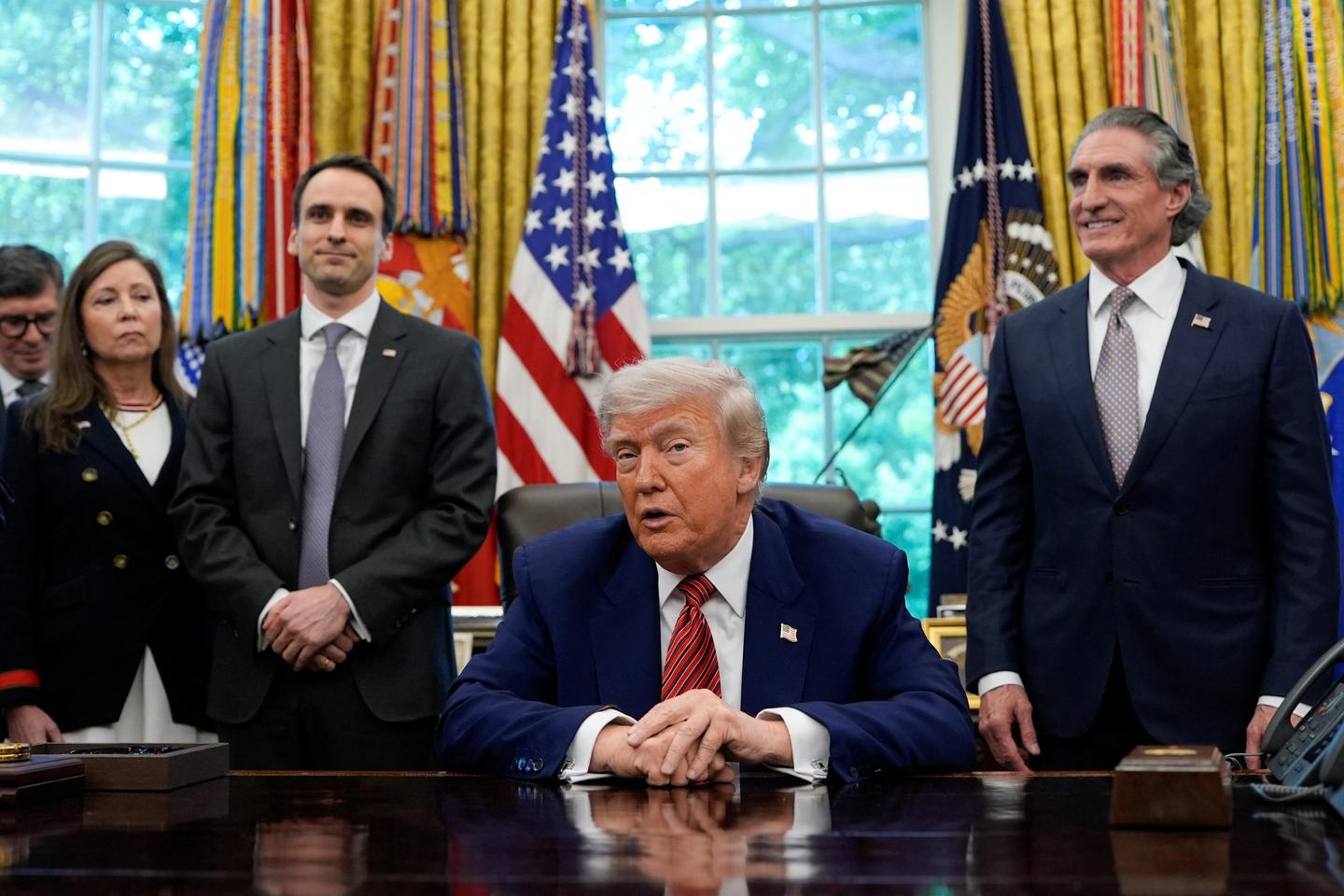
In a confirmation of his intentions, Trump reiterated his stance in the Oval Office, declaring he “was not looking for” a trade war with the EU and emphasized that it was time to “play this game the way I know how to play it.” This assertion underscores Trump’s aggressive approach toward international trade, particularly with Europe.
U.S.-EU Trade Imbalances
Since returning to the presidency, Trump has consistently pointed out that the United States suffers from a considerable trade deficit with the European Union. He cited that the EU has a surplus of approximately €150 billion on industrial goods alone, which narrows down to a mere €50 billion deficit when accounting for the U.S. surplus in services.
Trump’s administration has made numerous declarations regarding the imposition of tariffs and trade duties, which have raised concerns among American businesses that depend on European markets. Industry leaders argue that escalating tariffs could harm U.S. companies more than they would benefit them. The unpredictable nature of the current trade climate poses challenges for businesses seeking stability in their supply chains.
Reactions to Trump’s Threats
The international business community reacted with trepidation to Trump’s recent threats. European officials have expressed deep concern that a resurgence in trade tensions could reverse gains made since the previous administration. Many economists believe that a significant increase in tariffs could lead to inflationary pressures within the U.S., impacting consumers directly.
Furthermore, business associations on both sides of the Atlantic are urging for calm and diplomacy rather than escalating tensions. There are fears that a complete breakdown of trade talks could lead to adverse economic repercussions, including job losses and increased prices on everyday goods.
The Historical Context of U.S.-EU Relations
The history of trade relations between the United States and the European Union is complex, filled with periods of cooperation and conflict. Following the establishment of the EU, efforts were made to foster transatlantic alliances. However, disagreements over tariffs, regulations, and trade practices have often been points of contention.
Previous administrations have adopted varying approaches to these matters. While some sought to strengthen alliances through multilateral agreements, others have taken a more isolationist route, as seen today. This shift reflects broader changes in political climates both domestically and internationally.
Conclusion
The prospect of escalating trade tensions under the Trump administration brings uncertainty not just for U.S.-EU relations, but for global trade as a whole. Observers are closely watching how these developments will unfold, particularly as the world emerges from the economic ramifications of the COVID-19 pandemic.
As businesses brace for the implications of potential new tariffs, both governments will need to navigate this precarious landscape with careful consideration to avoid further destabilization of international relations.