

An ape reviving another after a small electric shock; a herd of pigs pushing back to the river a fish stranded on the shore; a group of crows discovering the gigantic carcass of a reindeer and calling other crows to enjoy the feast. Examples like these are abundant, fueling the age-old question: Are animals altruistic?
The notion of altruism invites a moral reading: unlike selfish human beings, animals are capable of teaching us authentic goodness. They give without expecting anything in return, as illustrated by a viral image of a duck sheltering a young dog under its wings. However, the factual basis of these accounts is often diffuse, leading to lively debate.
Does the bird protect a cub of another species out of compassion or moral high ground? Often, our responses are imbued with human moral conditions. For years, the concept of “animal altruism” has lingered on the fringes of scientific discourse due to its anthropocentric implications.
Recently, however, the topic has experienced a revival. Numerous studies aim to provide clarity regarding what could be deemed altruistic behavior in various species.
Understanding Altruism
Biologists have formulated a relatively precise definition of “altruism”: actions benefiting a third party at a personal detriment. This means that altruistic acts yield positive outcomes without any self-interest involved. However, differentiating genuine altruism from self-serving behaviors can be complex.
(Hossein Ghaem/Unsplash)
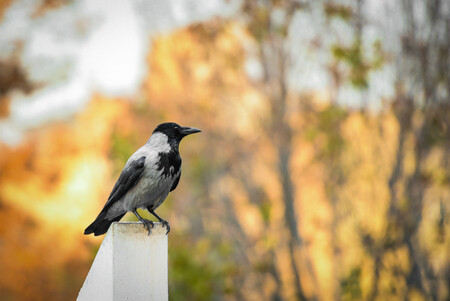
In the late 1980s, biologist Bernd Heinrich observed intriguing behavior amongst crows in the Maine woods. A group of crows had discovered a massive reindeer carcass and began to call other crows to the find. It appeared they wanted to share the feast, contradicting the principle of “survival of the fittest.”

Upon deeper analysis, these calls may not reflect altruistic intentions. The crows were likely forging alliances to prevent potential territorial conflicts with dominant crows. This suggests that what looks like altruism could be a tactical decision for self-preservation.
Other research indicates female bats may share food during lean seasons—behavior seemingly social in nature but rooted in the need to sustain their kin. This reflects a survival strategy rather than genuine altruism.

This defense mechanism is explained through theories such as kin selection. Wild dog packs often bark warnings to alert their kin to potential dangers, illuminating the idea that these altruistic-looking behaviors are rooted in species survival rather than genuine selflessness.
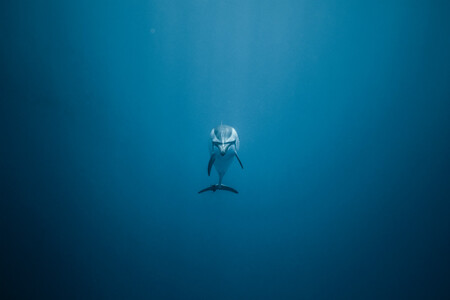
But what of the duck and the puppy? Some instances defy traditional logic, such as orcas reportedly adopting dolphins with genetic malformations. These occurrences raise questions as orcas typically have minimal social interactions with other species.
Documented Examples of Altruism
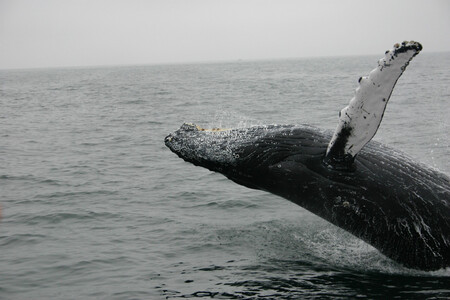
A remarkable incident occurred in 2009 when researchers in Antarctica observed a seal in distress, pursued by a pod of orcas. To the surprise of onlookers, a pair of humpback whales intervened to protect the seal. Humpbacks primarily feed on fish, so this act appeared altruistic.
(Michael Blum/Unsplash)
These whales synchronized their movements to shield the seal from the orcas, displaying what appeared to be an altruistic action, devoid of any direct benefit. Nevertheless, researchers have found multiple recorded instances of humpbacks intervening during orca attacks, suggesting potential instinctual behavior rather than conscious altruism.
While these actions may feel genuinely altruistic, the underlying motives are complex and often intertwined with instinct and survival mechanisms.
More than 115 instances between humpbacks and orcas have been documented, raising the question of automatic defense based on previous experiences or potential responses to calls for help. This phenomenon invites deeper exploration of altruism beyond a human-centric moral framework.
Ultimately, we cannot discount the possibility of altruism in the animal kingdom. While many behaviors can be explained through survival instinct, instances like the duck sheltering the puppy remind us that there is still much we do not understand about animal cognition and emotion.
(Jeremy Bishop/Unsplash)
Scientific research continues to probe the intricacies of animal behavior, hoping to uncover whether altruism is a natural instinct or a complex cognitive act. For now, the possibility remains open.