
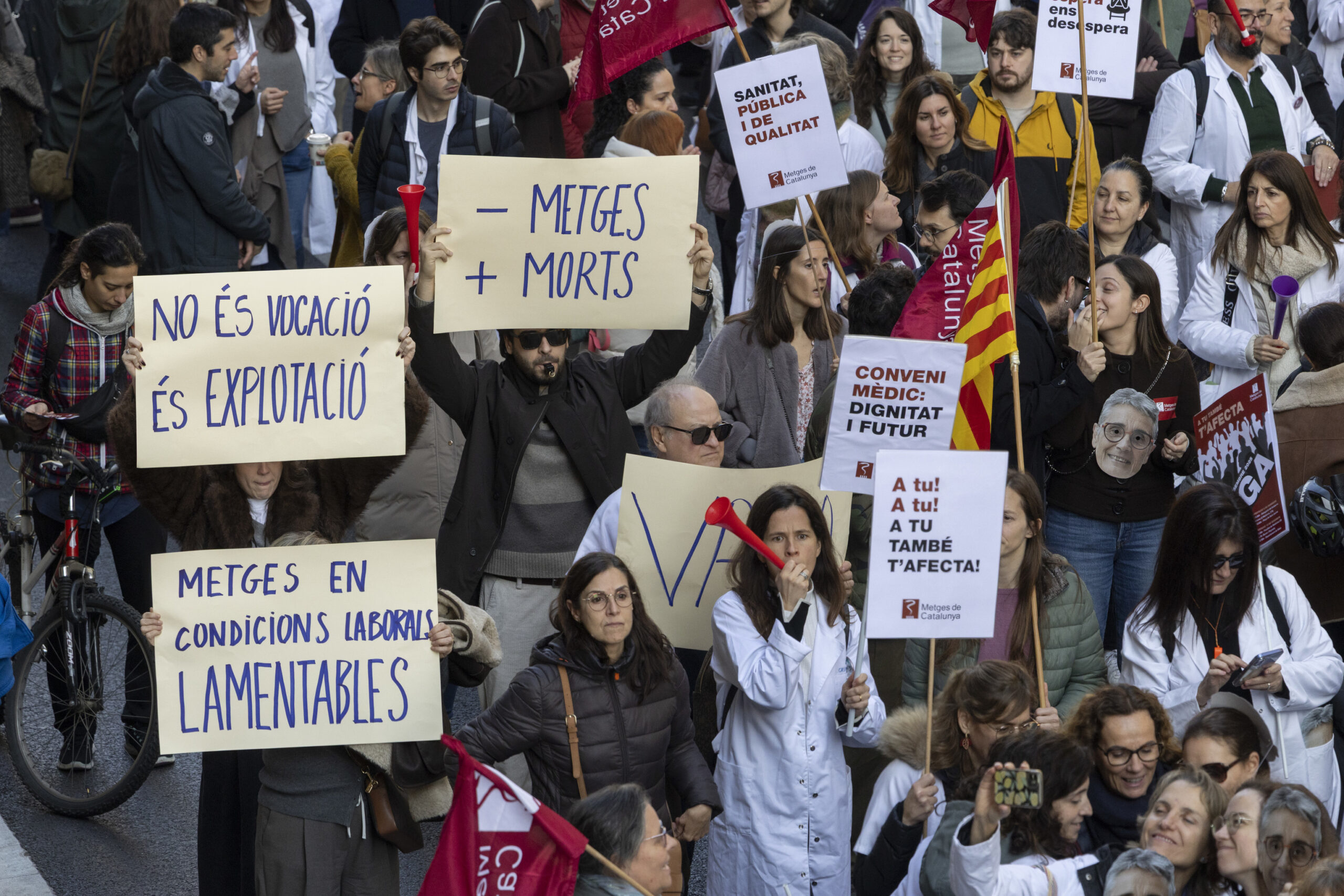
Medical Strike in Spain: 2026 Protest Against the Framework Statute
The first day of the 2026 medical strike in Spain marks a significant moment in the ongoing struggle for improved working conditions among healthcare professionals. Nearly 175,000 doctors and medical personnel are participating in this nationwide protest against the Framework Statute, which has been labeled as insufficient and discriminatory by various medical unions.
Historical Context: Why Now?
The surge in protests stems from stagnation in negotiations surrounding healthcare reforms proposed by the Ministry of Health. Initially announced back in November 2025, the strike aims to keep the momentum alive following a previous four-day national strike led by the Confederation of Spanish Medical Unions (CESM) and the Andalusian Medical Union (SMA). The current strike, however, is more localized, targeting autonomous communities such as Madrid, Catalonia, and the Basque Country, among others.
Union Dynamics and Expectations
Despite not officially endorsing this latest strike, CESM and SMA have expressed solidarity with the movement. During a press briefing on January 8, union leaders emphasized the need for a unified front, hinting at a forthcoming calendar of mobilizations that could begin as early as February 2026.
Doctors have voiced strong dissatisfaction with the terms being discussed in negotiations, insisting that the lack of significant reforms leaves them in a state reminiscent of 2003, when the original Framework Statute was enacted. Emphasis is placed not only on increasing wages and reducing 24-hour shifts but also on the necessity for an autonomous statute tailored specifically to medical professionals.
Key Issues Advocated by Medical Professionals
During the protests, doctors highlighted a series of demands which include:
- Reduction of Shift Length: Calls to end 24-hour shifts are among the top priorities.
- Fair Compensation: Ensuring that on-call hours are compensated at rates that meet or exceed regular working hours.
- Work-Life Balance: Advocating for a 35-hour workweek.
- Professional Classification: Advocating for the creation of a new category (A1+) that accurately reflects their qualifications and responsibilities.
- Early Retirement Access: Many argue that pension reforms should allow for early retirement options given the demanding nature of their jobs.
Protests Across Regions
Protests have not been limited to the Spanish capital. In Catalonia, for instance, participation has been notable, with reports citing 45% engagement among medical staff. Demonstrators have taken to the streets, carrying banners with messages highlighting the urgent need for change, such as “Less ties and more lab coats,” and “It’s not a vocation, it’s exploitation.”
In a dramatic demonstration of unity, both healthcare workers and union leaders from Metges de Catalunya (MC) have mobilized to voice their discontent, culminating in a march towards the Catalonian Parliament where a proposal was presented for an independent medical statute.
Conclusion: A Call for Dialogue
As the medical strike unfolds, leaders like Ángela Hernández, Secretary-General of the Amyts Union, advocate for urgent dialogue among all levels of government. They stress that healthcare is not solely a matter for the Ministry of Health but involves multiple departments, including Public Administration, Treasury, and Social Security.
In conclusion, the ongoing protests demonstrate a crucial juncture in the evolution of Spain’s healthcare system. With demands centered on dignity and respect for medical professionals, the outcome of these negotiations could significantly reshape the future of healthcare in Spain.