
The Rising Tensions in Dordogne: “Vaches à défendre”
In Dordogne, France, a significant agricultural protest has emerged as farmers rally in defense of their cattle. This movement, dubbed “Vaches à défendre” (Cows to Defend), is primarily focused on preventing the culling of a herd affected by bovine tuberculosis. The situation has escalated to the point where law enforcement agencies have surrounded the property, drawing public attention and raising important questions regarding animal welfare, agricultural policies, and community rights.
Background of the Situation
Bovine tuberculosis is a significant concern in agricultural communities, given its implications for both animal and human health. The disease can spread rapidly within cattle populations, leading to severe financial losses for farmers and posing risks to public health. In this specific instance, an agricultural producer in Dordogne has refused to comply with government orders to cull his infected herd. Instead, he has chosen to form a protective zone around his property, attracting the support of fellow farmers and local activists.
Escalation of Protests
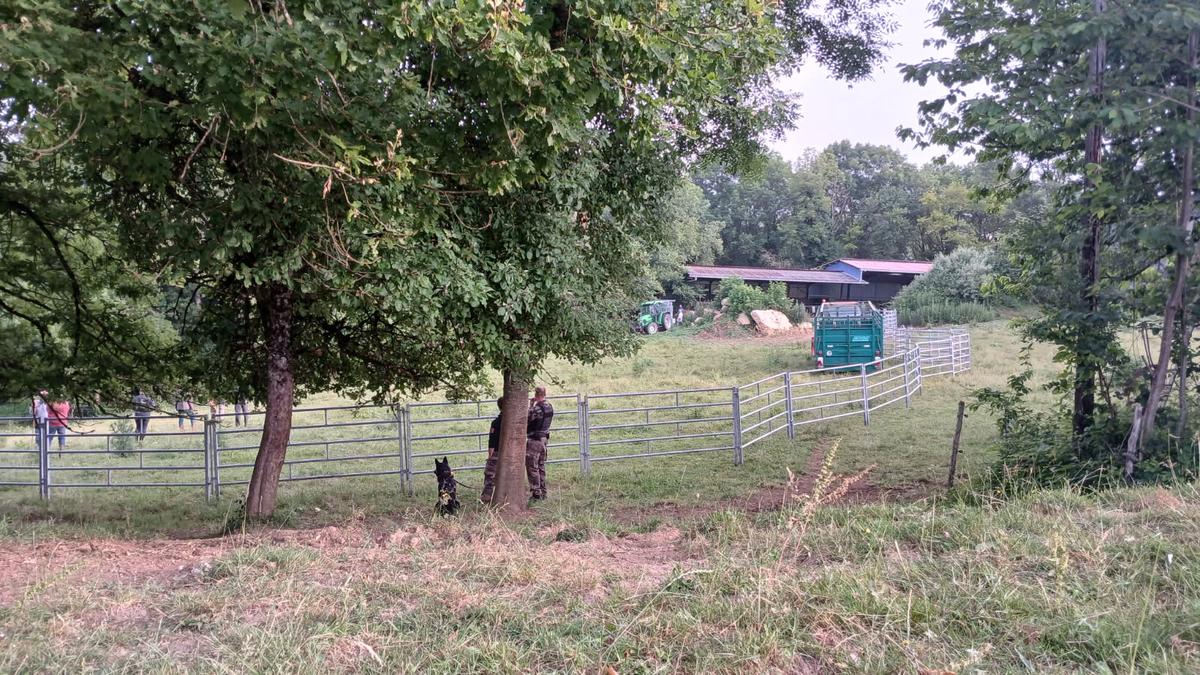
Reports indicate that as many as 30 gendarmes were deployed to the site as tensions mounted. Farmers have come together to physically shield the cows from being taken away, creating a blockade that has garnered widespread media coverage. The mobilization showcases a collective determination to fight for the right to keep the cattle alive, challenging governmental authority in a dramatic fashion.
Local farmer Jacques, a key figure in the protest, shared, "We are desperate. We want a solution that doesn’t involve the slaughter of our animals." His sentiments echo throughout the community, where many view the culling as not only a loss of livelihood but also a humanitarian issue concerning the right to protect animals.
The Role of the Authorities
Local authorities have intervened, citing health regulations and public safety concerns. The Dordogne prefecture has stated that culling infected animals is a necessary step to control the spread of bovine tuberculosis. However, their actions have sparked further outrage among farmers who believe that alternative solutions, such as vaccination protocols and better management practices, should be considered before resorting to culling.
Activists argue that the government’s heavy-handed approach is misguided and highlights the need for reforms in how agricultural policies are enforced, especially concerning animal rights and welfare practices.
Emotional Testimonials
The protest has become a platform for various emotional testimonials from farmers across Dordogne and beyond. One farmer, visibly shaken, expressed, "I’ve raised these cows since they were calves. They are part of my family. To think of them being killed is heartbreaking." Such statements emphasize the deep emotional bonds that farmers develop with their animals and how government policies can clash with traditional agricultural values.
Support from the Community
Community support has been crucial to the movement. Many local residents, irrespective of their agricultural background, have come forward to join the protests, holding signs that read “Save Our Cows” and “No to Culling”. Local businesses have even rallied around the cause, providing food and supplies to the protesting farmers. This unified front indicates that the issue transcends individual livelihoods; it has become a matter of community identity and integrity.
The Wider Implications
The Dordogne protests highlight a broader conversation taking place in many countries regarding agricultural practices, animal rights, and environmental sustainability. As debates rage on issues of intensive farming and government intervention, the “Vaches à défendre” movement encapsulates the growing discontent with policies perceived as disproportionate or lacking transparency.
Moreover, as the public becomes more aware of the ethical dimensions of farming, such movements could pave the way for significant changes in both policy and public perception regarding livestock management and animal welfare.
The press coverage on this protest is helping to spur dialogue, reflecting a collective consciousness that is increasingly questioning long-held agricultural practices. Farmers across the globe are paying close attention; what transpires in Dordogne could serve as a precedent for future movements aimed at upholding animal rights and ensuring fair agricultural practices.
The unfolding drama in Dordogne represents far more than a local dispute. It encapsulates a battle over the right to defend one’s livelihood, the intrinsic value of animal life, and the quest for humane farming solutions. As the world watches, the implications of this stand for animal welfare and agricultural policy may echo far beyond French borders, influencing the future of how we think about farming, animals, and our responsibilities toward them.