
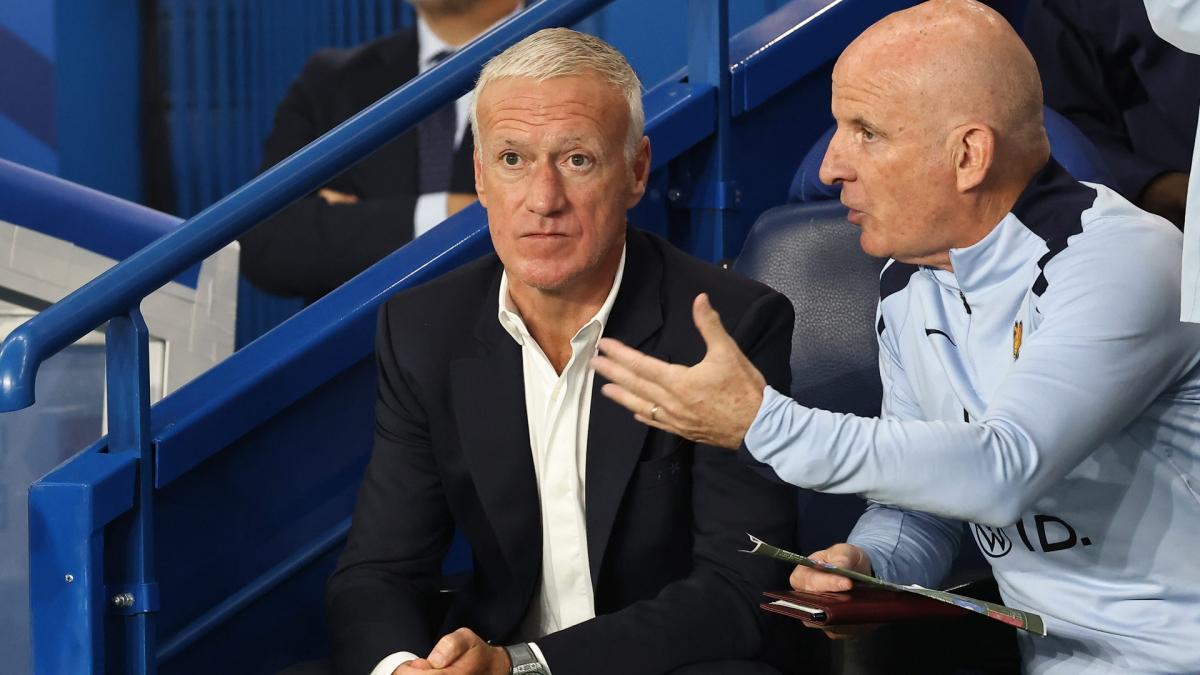
Didier Deschamps Faces Criticism Amid Injuries to Key Players
In the world of football, public sentiment can sway like the wind, and when it comes to the French national team, the winds have not been particularly favorable for coach Didier Deschamps lately. After a controversial match against Ukraine that left both Ousmane Dembélé and Désiré Doué injured, the coach found himself under intense scrutiny from fans and critics alike. Despite previous acclaim, the atmosphere at the Parc des Princes on Tuesday night was a reflection of the growing discontent among supporters.
As the French team prepared to take on Iceland, the mood in the stadium was mixed. While the players received positive applause during the pre-match warm-up, the dynamic shifted when Deschamps’s name was announced. Whistles broke out from sections of the crowd, representing a faction of fans who have begun to voice their frustrations with the coach’s decisions.
The Injuries That Sparked Outrage
Injuries to key players can derail a national team’s strategy, and the loss of both Dembélé and Doué is no small matter. Dembélé, a star forward for FC Barcelona, has been a vital part of the French attacking line-up, known for his speed and agility. Doué, a promising young talent, has had his share of impressive performances for the national team. Losing such players at a critical juncture raises questions about Deschamps’s management style, particularly around player fitness and selection.
The injuries appeared to have been avoidable, leading many fans to wonder whether the coach prioritized the match too much. Critics argue that Deschamps may have overplayed his regulars, ignoring the risks associated with a congested fixture schedule. Consequently, Deschamps’s recent choices have led to palpable agitation in some parts of the fanbase, who believe he should be more cautious with player welfare.
Fan Reactions: A Divided Stadium
The sound of applause has often been the dominant noise in the Parc des Princes. However, as Deschamps’s name echoed through the stadium during the team announcements, the reception was noticeably different. While many continued to show support for the players, the discontentment aimed at Deschamps was hard to ignore. Some fans took to social media to express their dissatisfaction, labeling the coach’s recent tactics as “too conservative” and “outdated.”
These sentiments reflect a wider debate within the football community, where the effectiveness of a coach often comes under the microscope after disappointing results or strategy failures. Matches like France versus Iceland serve as critical junctures for coaches—opportunities to either reaffirm their strategic prowess or further erode their standing with fans.
Looking Forward: What Does the Future Hold for Deschamps?
The path ahead for Didier Deschamps is fraught with challenges. As the team gears up for upcoming matches, including critical qualifiers for major tournaments, the coach must find a way to regain the trust of fans. Player selection, formation, and game strategy need thorough reassessment to avoid further criticisms.
With the blessing of a technical staff that may be prepared to offer alternate insights, Deschamps has the opportunity to revise his approach. Whether he chooses to stick to his tried-and-true methods or adopt a more experimental philosophy remains to be seen. However, one thing is clear: the pressure is mounting, and every game counts.
The Role of Team Cohesion and Morale
As injuries pile up, maintaining team cohesion becomes vital. The camaraderie among players could be crucial in overcoming the hurdles presented by injuries. For young talents like Doué, this is an opportunity to step up and showcase their capabilities while older players will need to mentor them effectively. Balancing experience with youth may well become Deschamps’s most formidable challenge in the coming weeks.
Positive morale can significantly affect performance on the pitch. If players believe in their coach and each other, they may be able to rise to the occasion, even in the absence of some key members. Deschamps must foster this environment and ensure players feel empowered, valued, and prepared to tackle the pressure of international competitions.
The coming weeks will be crucial for both Deschamps and the French national team, as they navigate through injuries and fan scrutiny. Will Deschamps manage to mollify his detractors, or will this season mark a turning point in French football history? Only time will tell, but one thing is certain: the eyes of the football world will remain firmly on Parc des Princes and its beleaguered coach.