
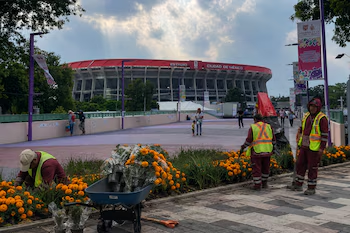
Did the Day of the Dead Come Early? Cempasúchil Flowers Surprise at the Mexico City Stadium
The Countdown to the FIFA World Cup 2026
As excitement builds for the upcoming FIFA World Cup 2026, the atmosphere in Mexico City is electric. Fans from all over the globe are flocking to witness what promises to be a thrilling tournament, with the opening match set to take place at the Mexico City Stadium, formerly known as the Azteca Stadium.
A Floral Surprise: Marigold Flowers Take Center Stage
In a delightful twist, just days before the Mexican National Team takes the field, workers from the Tlalpan mayor’s office have transformed the surroundings. This initiative includes the unexpected yet culturally rich placement of cempasúchil, or marigold flowers. Typically associated with the Day of the Dead, which is celebrated in November, these vibrant orange blooms have appeared early, adding a unique charm to the stadium’s environment.
Enhancing the Fan Experience
During site visits on June 4, workers were seen planting these marigolds in various planters, particularly around the Light Rail Aztec Stadium Station, one of the main access points for fans during the World Cup. This move not only enhances the visual appeal of the area but also immerses visitors in an essential aspect of Mexican culture from the moment they arrive.
Cultural Significance of Cempasúchil
The cempasúchil flower holds a special place in Mexican heritage. Its name derives from the Nahuatl term cempohualxóchitl, which translates to “flower with twenty petals.” Historically, this flower has played a crucial role in ceremonies and rituals, especially those honoring deceased loved ones. Over time, it has become emblematic of the Day of the Dead, which UNESCO has recognized as an Intangible Cultural Heritage of Humanity.
Welcoming the World to Mexican Traditions
This initiative aims to welcome foreign visitors with a taste of Mexico’s rich cultural legacy. The vivid blooms of cempasúchil, prominently displayed, serve as a vibrant introduction to the country’s heritage, which is often celebrated through various artistic expressions, including vibrant altars adorned with flowers and traditional skulls.
A Historic World Cup Moment
The upcoming tournament is particularly significant as Mexico will become the first country to host World Cup matches for the third time, following the events in 1970 and 1986. The opening match is scheduled for June 11, when the Mexican National Team competes against South Africa, generating immense anticipation among fans and players alike.
Conclusion: A Celebration of Culture and Sport
As preparations continue for this prestigious football festival, the marigold flowers are more than just a beautiful addition; they symbolize the marriage of sport and culture. The vibrant petals may have come early, but they represent a heartfelt welcome to all those arriving to enjoy the world’s greatest game while also experiencing the beautiful traditions of Mexico.
In essence, the arrival of the marigold flowers signifies that this World Cup is not just about football—it’s an opportunity to celebrate and share the most renowned aspects of Mexican culture with the world.