
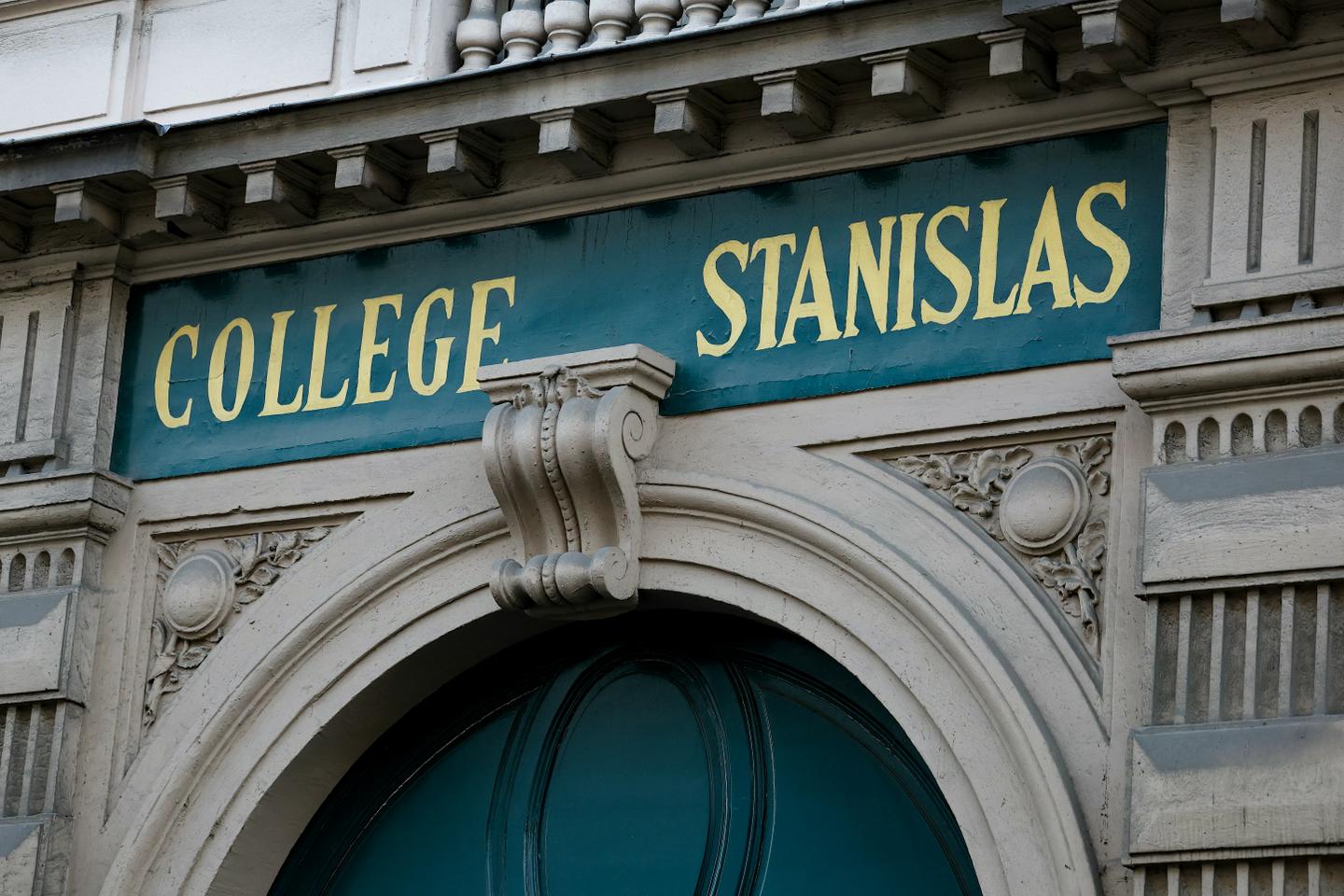
The Unprecedented Dispute: A Deeper Look into the Stanislas College Investigation

The **dispute** surrounding Stanislas College has escalated unexpectedly. Following the submission of letters from two former inspectors who expressed concerns over the findings of the 2023 administrative investigation, the Parliamentary Inquiry Commission on School Violence summoned officials involved in this high-profile investigation on **May 21**. During this session, five inspectors, including three retirees, voiced their **dissensions** and hinted at the potential political misuse of their report.
For over two hours, these inspectors shared insights regarding their mission, which was commissioned by the former Minister of Education, **Pap Ndiaye**. This request arose in response to various reports highlighting a **homophobic** and **sexist** atmosphere at a prestigious institution often viewed as a model of elite education in the capital. The findings culminated in a **report** submitted in August 2023, an outcome that has sparked ongoing discussions among deputies seeking clarity on whether this document was “worded” properly.
During the Commission meeting, inspectors shared their experiences of **tensions** that emerged due to disagreements about the investigation’s direction. However, it’s noteworthy that none contested the report’s essential content, which was notably made public by **Mediapart** in January 2024. Each inspector acknowledged the **severity** of the issues detailed in the report, emphasizing that the writing process was indeed **collegiate** in nature.
The Context of the Investigation
The backdrop of this investigation lies in an institution known for its **prestige** and the privilege it represents. Recognized as one of the top educational establishments in Paris, Stanislas College’s reputation has come under scrutiny for fostering an environment that allegedly condones **discrimination** on various fronts. The initial articles revealing troubling incidents prompted a call for an investigation, with a focus on the immediate environment for students.
Subsequent to the investigation’s launch, allegations surfaced not just of homophobia and sexism, but also of general **psychological distress** among students. Witness testimonies suggested that many felt unsafe or marginalized due to the prevailing attitudes within the school, raising serious questions about the institution’s commitment to **inclusivity** and **equality**.
Inspector Perspectives and the Political Dimension
As the inspectors presented their testimonies, it became apparent that the political involvement in this case is profound. The implications of their findings extend beyond just educational policies—they touch upon societal norms and the values upheld by a reputed establishment. Some inspectors raised concerns about external pressures that may have influenced how findings were reported or perceived.
This situation reflects a **broader narrative** on how educational institutions navigate claims of misconduct and institutions’ roles in shaping public discourse on issues like gender and sexuality. It’s crucial to recognize that the disparate testimonies from inspectors may represent the complexities involved when addressing such sensitive matters in a highly **politicized** environment.
Future Implications for Education and Policy
The implications of the Stanislas College investigation may reverberate throughout French education. If sustained, public interest in this issue could lead to stronger policies aimed at promoting **safety** and **well-being** in educational environments. Increased scrutiny will likely put pressure on other institutions to re-evaluate their practices and policies, fostering an atmosphere where **diversity** and **inclusivity** become a priority.
As discussions around the findings continue, the need for transparent dialogue between educational authorities, legislators, and the institutions themselves has become paramount. Stakeholders must collaborate to create systemic reforms that prioritize student voices and experiences, ensuring that such incidents do not recur in the future.