
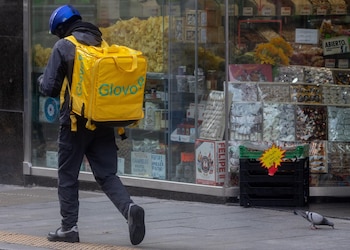
The Challenges Facing Glovo in Spain: Legal and Financial Implications
The landscape of food delivery services is evolving rapidly, and Delivery Hero, the parent company of Glovo, is currently grappling with significant challenges in Spain. The financial and legal intricacies surrounding the classification of its delivery personnel have led to serious implications for the company’s operations.
According to recent communications from Delivery Hero, there are ongoing discussions about the potential cessation of Glovo’s operations in Spain. The crux of the issue revolves around the financial burdens associated with fines and the reclassification of delivery workers. These workers, initially regarded as self-employed, may soon be classified as employees under Spanish labor law, leading to substantial financial commitments for the company.
Financial Burdens: Fines and Reclassification Risks
The stakes are high, as Social Security has demanded Glovo remit 450 million euros in fines and social security contributions linked to the reclassification of its delivery personnel. As of July 31, 2023, the repercussions of this legal risk have become increasingly evident. Delivery Hero stated that if these fines were fully realized, Glovo might struggle to meet its financial obligations without substantial financial support from the parent company.
A concentrated report indicates that, as of July 31, 2025, the total obligations and fine claims could escalate, potentially reaching 562 to 923 million euros, given the ongoing legal and operational framework that Glovo operates under in Spain. If Spanish courts ultimately reclassify the delivery drivers as employees, the costs tied to social security contributions and additional fines could skyrocket.
Legal Landscape and Glovo’s Path Forward
In its defense, Delivery Hero maintains that its business model should not recognize reclassifications. They assert the intention to contest the current legal standing of their delivery personnel as self-employed workers, stressing that the company is committed to upholding its operational model.
As a part of this legal undertaking, Glovo faced a notable lawsuit initiated by Just Eat, which accused the company of unfair competition. Just Eat sought a claim of 295 million euros, but the Barcelona court ruled in favor of Glovo, stating the company operated within the legal framework, confirming the autonomy of its delivery agents under their contracts.
Delivery Hero’s representatives emphasized that disclosing more information could adversely impact their legal positioning. The company has refrained from setting aside provisions in their accounts, believing that the chances of reclassification are low, and they plan to defend their case vigorously.
Market Performance Amid Legal Struggles
Despite the turmoil associated with the legal battles, Delivery Hero reported a substantial revenue growth during the first half of 2025, recording 7.18 billion euros in sales. This figure represents an impressive 18.9% increase relative to previous data, showcasing the company’s resilience in a competitive market. Contributions from various regions highlight the diversified reach of the company—reporting noteworthy revenues from Asia, the Middle East, North Africa, Europe, and the Americas.
However, the firm is revising its outlook for EBITDA, lowering projections to between 900 and 940 million euros compared to earlier estimates. The slightly revised figures indicate a decrease in projected cash flow, reflecting the current strain on the business model due to labor reclassification risks and associated legal obligations.
Conclusion
The ongoing situation surrounding Glovo in Spain exemplifies the intricate balance between modern business practices and regulatory frameworks, particularly within the gig economy. As the dialogue on the categorization of gig workers continues, Glovo’s fate remains uncertain, illustrating the larger challenges that platform-based companies face worldwide. Delivery Hero’s ability to navigate this complex environment will ultimately determine its operational viability and future growth prospects. The resolution of legal disputes, alongside a proactive adaptation to regulatory changes, will be crucial as they strive to maintain a competitive edge in the ever-evolving food delivery landscape.