
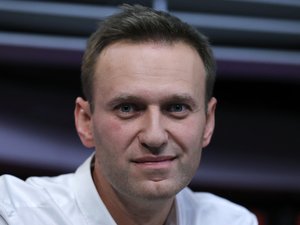
The Death of Alexeï Navalny in IK-3: Harsh Realities of a Brutal Prison
Russian opposition leader Alexeï Navalny passed away on February 16, 2024, at the age of 47 while incarcerated in the notorious IK-3 penal colony, also known as “Polar Wolf.” Serving a staggering 19-year prison sentence for charges of “extremism,” Navalny’s death has drawn widespread condemnation and raised serious concerns regarding the inhumane conditions within Russian prisons.
Life in the Polar Wolf: A Harsh Existence
Located in the remote town of Kharp, Siberia, IK-3 is infamous for its severe living conditions. Once a gulag during Stalin’s regime, this prison was repurposed in the 1960s but has kept its reputation for brutality alive. The location is stark: more than 3,000 kilometers from Moscow and situated beyond the Arctic Circle, the prison’s isolation is almost absolute.
Minimal Daylight and Extreme Temperatures
Inmates endure extreme conditions, with reports indicating that daylight is visible for less than two hours daily. Maria Pevchkikh, a Russian activist, emphasized the prison’s dire circumstances by stating that “it’s almost impossible to escape.” The landscape surrounding IK-3 is unforgiving, characterized by endless tundra and imposing mountains.
Daily Life Under Severe Conditions
A typical day for prisoners involves labor-intensive activities, such as woodworking, sewing, or crafting souvenirs from stone, as reported by The Parisian. However, these mundane tasks occur under conditions that challenge even the strongest spirits. Information shared by former inmates reveals a harrowing reality marked by deprivation and violence.
The Dark Truth: Violence and Abuse
Accounts of brutality are alarmingly common in IK-3. One former detainee recounted being confined in a cell devoid of natural light and hot water. This stark reality emphasizes the inhumane treatment prisoners endure.
Water Cut-offs and Beatings
A chilling testimony from a former inmate described a terrifying scenario: “As soon as a prisoner undresses to go wash, the water is cut off and masked men come in and start beating him. This ordeal lasted around half an hour.” Such accounts underline a culture of fear and violence embedded within the prison system.
Western Nations React: Calls for Accountability
Following Navalny’s death, several Western nations— including the UK, Sweden, France, Germany, and the Netherlands—assert that he was poisoned with a lethal toxin. This accusation reflects the broader concerns regarding the treatment of political prisoners in Russia and the lengths to which the regime may go to silence dissent.
Conclusion: A Legacy of Struggle
Alexeï Navalny’s life and untimely death serve as a stark reminder of the grave injustices meted out to political prisoners in Russia. The inhumane conditions at IK-3 not only highlight the perils of dissent but also raise pressing questions regarding human rights and the future of political freedom in Russia. As the world mourns Navalny, the call for justice and accountability grows louder, challenging the oppressive regime that seeks to stifle voices of opposition.