
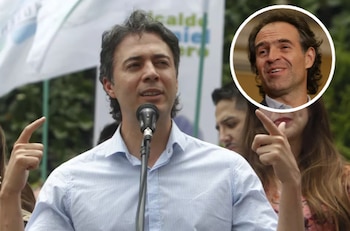
The Political Landscape of Medellín: Quintero’s Criticism of Gutiérrez
The political scene in Medellín, Colombia, remains vibrant and often contentious. Recently, the ongoing tensions between political figures have come to the forefront, particularly with Mayor Federico Gutiérrez facing scrutiny from his opposition. Key to this narrative is the emerging voice of presidential candidate Daniel Quintero, who has openly questioned Gutiérrez’s commitment to his constituents during a series of international engagements.
In a recent post on social media, Quintero highlighted Gutiérrez’s pattern of absenteeism from critical local events, emphasizing that the mayor’s attention seems diverted by commitments abroad. According to reports, since June 6, Gutiérrez has been absent due to various commitments outside of Colombia. Quintero’s remarks suggest that such absences come at a time when Medellín grapples with multiple pressing issues, including rising insecurity and social unrest.
Understanding the Context: Gutiérrez’s Recent Travels
Federico Gutiérrez, the mayor known for his political strategy and engagement in both local and international platforms, has made a significant number of appearances in different countries. While meeting with international leaders and attending global forums can bring visibility and resources to Medellín, his critics argue that the timing of these trips appears inappropriate.
Quintero’s claims spotlight a glaring issue: why is the mayor prioritizing international relations over the immediate needs of the citizens he was elected to serve? In his post, he remarked, “Fico left two months ago in Medellín. It was not in emergencies, nor facing the wave of insecurity that is triggered.” This criticism underscores the perception that Gutiérrez may be losing touch with the realities facing many Medellín residents.
The Rising Wave of Insecurity
As Gutiérrez focuses on international engagements, concerns surrounding public safety in Medellín have intensified. In recent months, there has been a notable uptick in crime rates, prompting local communities to express their anger and frustration over the mayor’s perceived negligence. Quintero’s reference to insecurity reflects a broader anxiety among residents, many of whom feel vulnerable amid escalating violence.
Efforts to combat these issues have included increased police presence and community programs aimed at reducing crime and promoting social cohesion. However, the effectiveness of these initiatives remains a topic of debate. Quintero’s criticisms may resonate with citizens who feel their concerns about safety have been sidelined in favor of high-profile diplomatic ventures.
Public Sentiment and Political Implications
The interactions between Gutiérrez and Quintero reflect broader trends in Colombian politics, where political rivalries can influence public opinion. With Gutiérrez’s global engagements successfully bringing attention to Medellín, the question arises whether these trips translate into actionable benefits for the citizenry. On the other hand, Quintero’s populist approach, focusing on immediate local concerns, positions him as a politician who represents the voice of the people.
Public sentiment appears to be shifting towards valuing leaders who are available and responsive to local needs. As Quintero continues to challenge Gutiérrez, the stakes become higher in terms of their respective political futures. Future polls may provide insights into whether citizens prioritize international prestige or immediate local accountability.
The Role of Social Media in Political Discourse
In today’s fast-paced digital age, the role of social media in shaping political discourse cannot be understated. Quintero’s choice to utilize platforms like X (formerly Twitter) allows him to reach a broad audience, amplifying his critiques and engaging with citizens directly. This channels a sense of community among those who share his concerns regarding the mayor’s absences.
Conversely, Gutiérrez’s image and strategy may require reevaluation. How he engages with social media and responds to criticisms can play a pivotal role in shaping public perception. The speed at which public opinion can be swayed necessitates a proactive approach to manage these criticisms head-on.
In Medellín, the dynamics between political figures like Gutiérrez and Quintero illustrate the importance of local governance amidst global engagements. The repercussions of their actions and decisions signal to the electorate not only their priorities but also their understanding of the pressing issues faced by the city. As public safety concerns mount and political rivalries intensify, the future of Medellín’s leadership remains a critical question deserving of attention.