
The Controversial End of Daniel Alves’s Football Career
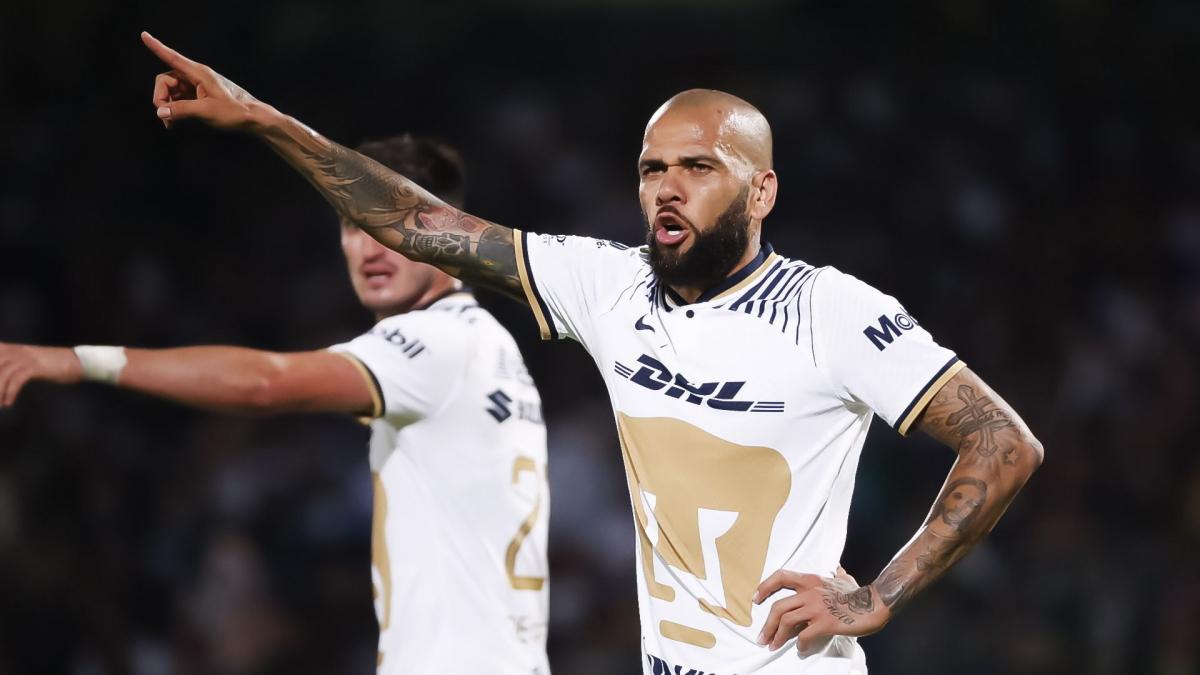
Daniel Alves, the Brazilian football legend, had a remarkable career spanning over two decades, marked by numerous accolades and records. However, his journey came to an abrupt halt in 2023, mired by serious legal issues that overshadowed his athletic achievements. Once a key player for iconic clubs like Barcelona, Juventus, and Paris Saint-Germain, Alves encountered a turbulent end to his football profession amid a rape case that not only tarnished his reputation but also led to the termination of his contract with Pumas UNAM in Mexico.
In January 2023, Alves was accused of sexual assault after an incident at a Barcelona nightclub. Despite his insistence on innocence and claims of consensual relations, the gravity of the allegations propelled him into an extensive legal battle that captured both local and international media attention. These circumstances put significant pressure on Pumas UNAM, which ultimately decided to sever ties with the player to protect its reputation and adhere to public sentiment.
As Alves’s legal troubles escalated, many fans and critics questioned his future in football. Given his age, 42 at the time, and the prospective impact of the accusations, it became clear that his career was drawing to a close.
On September 1, 2025, the Arbitral Tribunal of Sport (CAS) ruled on the contractual dispute between Alves and Pumas UNAM. The tribunal found in favor of the football club, affirming that the termination of his contract was valid and justifiable under the circumstances. The club issued a statement, highlighting that Alves was condemned to pay compensation for damages due to the breach of contract stemming from his legal issues.
This ruling sent ripples across the footballing world, raising discussions about players’ conduct off the pitch, their responsibilities, and how clubs manage their reputations. Alves’s situation has raised questions regarding the extent to which personal issues of athletes should affect their professional careers. Should they be held accountable beyond the pitch? What are the ethical responsibilities of clubs in such scenarios?
Despite his talent and contribution to the sport, Alves’s story serves as a cautionary tale. His case demonstrates the intersection of sports, law, and societal norms, emphasizing that even celebrated athletes can face severe consequences for their actions. In an era where athletes are under unprecedented scrutiny, this incident reinforces the importance of maintaining a positive public image, both on and off the field.
Amidst the controversies, it’s essential to reflect on Alves’s legacy. Over his illustrious career, he won an array of trophies, including multiple UEFA Champions League titles and numerous domestic league championships. Alves is famed for his attacking style as a right-back, his incredible passing ability, and his knack for crucial assists. Also, he is regarded as one of the best full-backs in football history, with a career that stands as a benchmark for aspiring professionals in the sport.
However, the darker chapter of his life will likely overshadow these accolades. As the football community grapples with Alves’s legacy, discussions on player conduct, accountability, and ethics will continue to shape the future of the sport.
It is important to recognize that the implications of Alves’s case extend beyond mere legal repercussions. They signal a necessary change in how clubs, fans, and governing bodies address off-field behavior and its consequences. This narrative is not solely about one man’s mistakes but part of a larger conversation about integrity, responsibility, and the moral imperatives facing athletes in today’s society.
In the aftermath of his career, Alves’s future remains uncertain. The Brazilian star faces a lengthy legal process and public scrutiny as he attempts to rebuild his life and reputation. Many wonder how the football community will respond to his legacy moving forward and whether there will be a change in how young athletes are guided through their careers, particularly regarding ethical behavior and respect for others.
The world of sports continues to evolve, pushing the boundaries of what is acceptable and how celebrity figures are held accountable for their actions. The story of Daniel Alves serves as both a warning and a call to action for all stakeholders involved in athletics.
As the consequences of Alves’s actions ripple through the landscape of professional sports, the hope remains that his story will foster a safer, more responsible environment for future generations of athletes. The importance of social awareness and personal accountability cannot be overstressed, especially in a world increasingly aware of the implications of public figures’ behaviors. The lessons learned from this episode in sports history will be critical in shaping the future of football and, indeed, sports at large.