
The Intersection of Cycling and Activism: A Closer Look at Recent Events at the Vuelta a España
The Vuelta a España isn’t just a premier cycling event; it’s a canvas for political expression . This year’s edition, garnering attention from cycling enthusiasts around the globe, has turned into a platform for profound socio-political issues, particularly the ongoing conflict in Gaza . Events that unfolded in Bilbao’s streets exemplify how sport intertwines with politics in ways that can ignite controversy and provoke deep discussions.
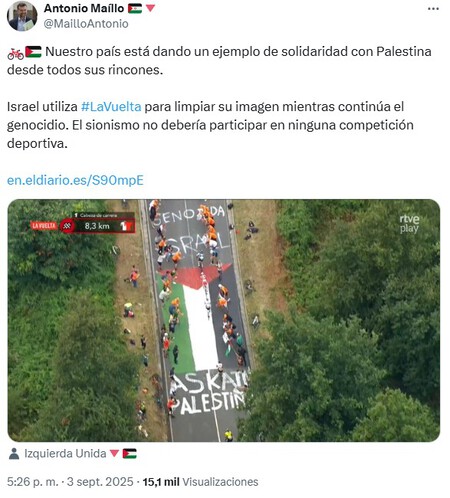
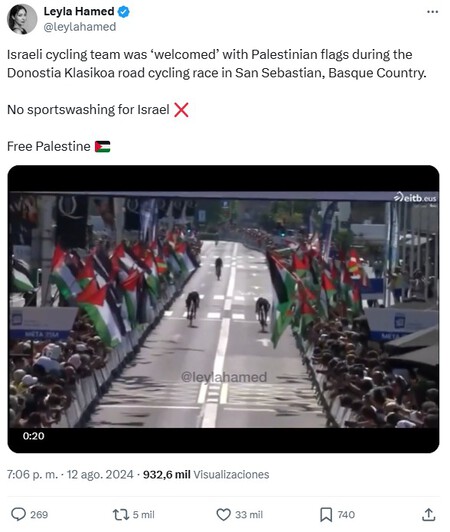
On a day meant for celebration and competition , protests against the Israeli cycling team, Israel-First Tech, exploded into the limelight. This team, linked to the Israeli-UCI category, has drawn harsh criticism due to its associations, leading to passionate demonstrations by supporters advocating for Palestinian rights. Protesters in Bilbao waved flags, issued flyers, and chanted slogans that resonated throughout the cycling route, displaying their resolve to draw attention to what they termed a genocide in Gaza .
Unfolding Events: Protests and Consequences
The atmosphere surrounding the eleventh stage of this year’s Vuelta grew tense as hundreds of fans rallied in solidarity with Palestine. The organizers found it necessary to end the race prematurely, just three kilometers before the finish line, to protect the cyclists and support staff from escalating tensions. This decision was a remarkable pivot from traditional race proceedings where victories and podium celebrations typically take place.
Click on the image to see more on Twitter.
A statement from the Vuelta’s organization emphasized their commitment to protecting riders and staff, asserting that while peaceful protest is important, it could not jeopardize the safety of participants. The dissent encompassed not just signs of protest, but also risky actions, including protesters blocking the route and attempting to derail the race.
A Double-Edged Sword: The Role of Israel-First Tech
The focal point of the protest was the Israel-First Tech team, headed by Sylvan Adams , a Canadian-Israeli businessman known for his ties to Israeli leadership. Demonstrators highlighted that the team’s participation in a major European cycling competition sparked even more scrutiny, fueling tensions amongst local and international spectators. The heightened political backdrop amplified an already complex atmosphere, combining a sport deeply cherished in Spain with pressing world issues.
Among the protestors, explicit messages aimed at the Israeli presence echoed along the cycling routes. With banners demanding a halt to Israeli actions in Gaza, discontent spilled into the public sphere in a manner rarely witnessed during cycling events. The direct confrontations raised questions about the responsibility of sports organizations in maintaining political neutrality while also recognizing their role within the broader societal framework.
Reactions from the Cycling Community
In response to these tumultuous events, reactions from the cycling community varied widely. The International Cycling Union reiterated the importance of sports remaining a neutral ground devoid of political influences. They lamented the incidents and affirmed their commitment to upholding cycling’s unifying spirit, arguing against allowing political agendas to overshadow the sport.
Click on the image to see more on Twitter.
Yet, amid the call for neutrality, there are voices like that of Kiko García, the race’s technical director, who suggests that perhaps it’s time for the Israel-First Tech team to reconsider its future in the race if it compromises the safety of its participants. This complicating factor of the team’s presence adds another layer of controversy to an already contentious event.
Historical Context: Cycling and Activism
Cycling events, particularly in Europe, have historically served as platforms for social and political messaging. Past instances have shown that cyclists and supporters have used the vast and open spaces of the sport to voice demands and concerns, often painting slogans on the roads that become part of the races themselves. This year’s Vuelta, however, has amplified the ongoing Palestinian issue, highlighting the intense global awareness regarding the conflict.
Protests during major cycling events are not new; previous years have seen calls for better medical facilities, infrastructure improvements, and other social issues expressed through cycling. This continued trend demonstrates the profound intertwining of stages and routes not only as avenues for competition but as channels for socio-political expressions that echo far beyond the physical race itself.
As the Vuelta a España navigates through these complexities, it will be essential for organizers, athletes, and fans alike to contemplate the intersection of sport, politics, and societal values while promoting a safe, competitive environment.
From challenging the status quo to raising awareness about urgent global issues, the Vuelta a España has become emblematic of how athletic platforms can facilitate dialogue and encourage activism. Whether this new role in the realm of cycling will be embraced or resisted remains to be seen as major cycling events continue to engage not just with sports enthusiasts but also with the broader global community.