
The Freedom of Art: A Critical Examination of Cultural Censorship
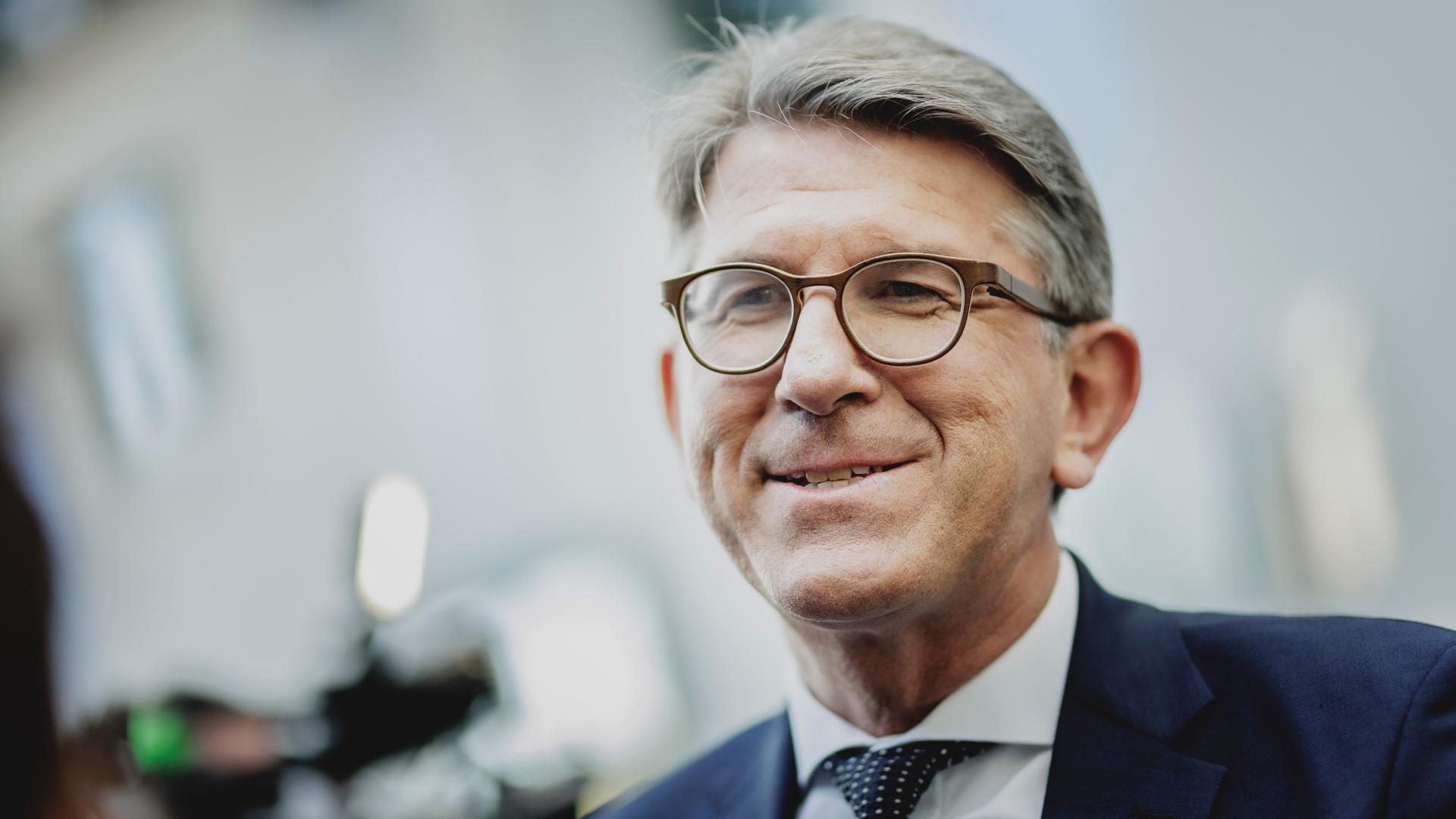
In recent times, the freedom of art has increasingly come under fire, with various groups advocating for its censorship in the name of social justice. In a thought-provoking article for the Süddeutsche Zeitung, Kulturstaatsminister Wolfram Weimer articulated his concerns regarding these encroachments, highlighting a troubling trend that threatens the very fabric of cultural expression.
The Perils of Cancel Culture
The rise of Cancel Culture has alarmed many individuals who value artistic freedom. This phenomenon refers to the practice of withdrawing support for public figures, companies, or even art forms that have allegedly done something socially or politically objectionable. In his commentary, Weimer noted that the Left often manifests its ideology through aggressive methods that infringe upon artistic expression. He referred to the recent incident involving the removal of a nude Venus statue from a Berlin government office, citing allegations of misogyny as the driving force behind this eradication of art.
This case exemplifies a larger narrative, wherein art is scrutinized not merely for its aesthetic or narrative qualities but for its social implications. Critics argue that such actions promote a culture of fear, inhibiting artists from exploring themes that may challenge conventional societal norms. Weimer emphasizes that the liberal response to such threats should not be to exert political influence but rather to defend the freedom of art.
Right-Wing Backlash: A Mirror Image
Interestingly, Weimer further pointed out that the reactionary response from the Right and even far-right groups is equally short-sighted. In a world where arts and culture should be arenas for dialogue and critical thought, the rigid approaches from both ends of the political spectrum are stifling creativity and narrowing the scope of cultural achievement.
Right-wing reactions to modern art often stem from a sense of cultural arrogance—an attitude that seeks to uphold traditional values while rejecting contemporary expressions. This, according to Weimer, brings its own brand of narrow-mindedness that serves only to limit the possibilities of what art can achieve. The real victims of these cultural skirmishes are the artists themselves, who find themselves caught in the crossfire of ideological battles.
The Role of Art in Society
Art has always held a special place in society as a catalyst for change and a mirror reflecting our collective human experience. Whether it’s through painting, literature, or performance, art provides a compelling framework for engaging with difficult subjects, prompting debates that can often feel uncomfortable. By restricting artistic freedom, we risk losing this vital tool for exploring the nuances of the human condition.
Weimer argues that artists must be allowed to roam freely within the realms of their imagination, confronting taboo subjects, social issues, and controversial ideas. He believes that the essence of art lies in its capacity not only to entertain but also to provoke thought, challenge norms, and invite diverse perspectives.
A Call to Action
So, what can be done to protect artistic freedom in a rapidly changing cultural landscape? According to Weimer, the call to action lies in institutions, galleries, and individuals championing the necessity of artistic liberty. Collective initiatives that celebrate artistic expression—regardless of societal perceptions—are essential to creating a balanced ecosystem where art can flourish without fear of retribution.
This can include advocating for policies that safeguard art from censorship, encouraging open dialogues that permit diverse viewpoints, and promoting educational initiatives that build appreciation for the complexities surrounding artistic expression. Perhaps most importantly, society must cultivate a mindset that views art as an essential facet of human experience—the freedom to create, critique, and converse without boundaries must be upheld.
Embracing Diversity in Artistic Expression
Supporting artistic freedom means also allowing for a diversity of voices within the art world. It is essential that artists from varied backgrounds, perspectives, and experiences have their stories told. When one narrative dominates the cultural discourse, we lose the richness that a variety of viewpoints brings to the table.
Encouraging a multiplicity of expressions not only ensures a more robust dialogue but also serves to amplify marginalized voices that have too long been silenced. In a globalized world, it’s more vital than ever to recognize and celebrate the melodious cacophony that different cultural expressions bring.
As the debate surrounding artistic freedom and censorship rages on, it’s essential to remember that art is not merely a reflection of society but also a tool for transformation. By defending the freedom to create, we uphold our right to question, critique, and engage with the world around us. The arts should not be a battleground for ideological conflicts but a sanctuary for the complexities of human expression.
In conclusion, Weimer’s assessment highlights the urgent need for a balanced approach that favors freedom and creativity over censure and control. By protecting the rights of artists to explore diverse themes, we enrich our collective cultural heritage and foster an environment where art flourishes. It is a responsibility we share to ensure that the canvas of artistic expression remains broad and inviting.