
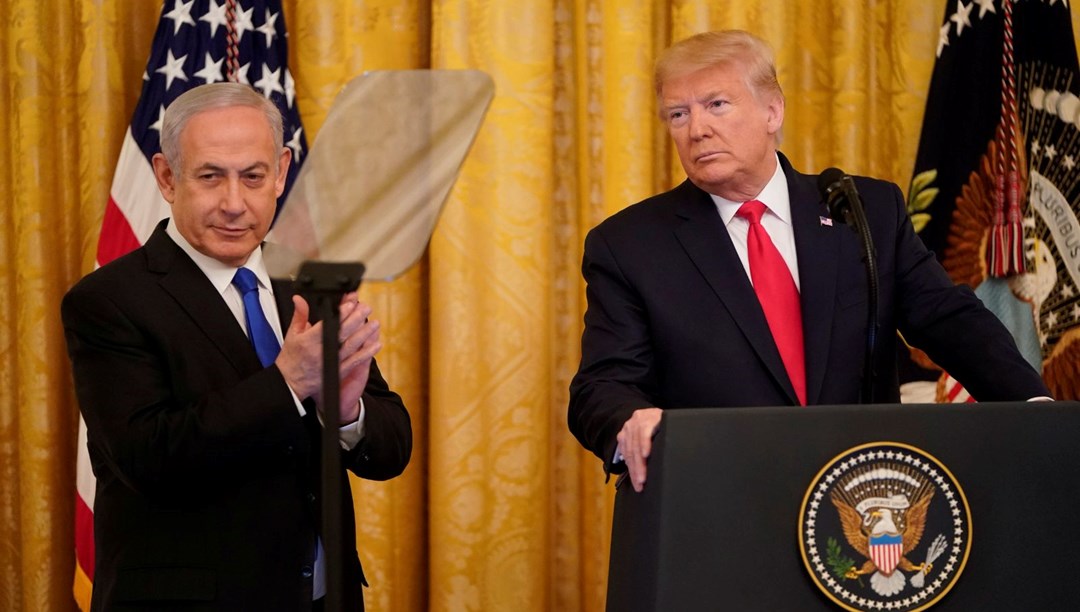
Recent Telecom Between Netanyahu and Trump
In a recent announcement from the Israeli Prime Minister’s Press Office, it was confirmed that Benjamin Netanyahu held a telephone conversation with former U.S. President Donald Trump. This communication is particularly noteworthy given the ongoing geopolitical tensions in the Middle East, as well as the pivotal role that both leaders play in shaping international relations.
During their dialogue, Trump expressed his profound sadness over the tragic deaths of two Israeli diplomats who fell victim to an armed attack in Washington. This incident has raised alarms regarding the safety and security of diplomatic personnel in volatile regions, making it an important topic of discussion between the two leaders.
Concerns Over Gaza Operations
The conversation also encompassed Israel’s military actions in Gaza, an issue that has been both contentious and complex. The leaders discussed potential strategies and frameworks to address the ongoing conflict, highlighting their shared perspectives on security and regional stability.
Trump reportedly reaffirmed his support for several key objectives outlined by Netanyahu, particularly concerning the resolution of tension with Hamas, the release of Israeli captives, and a broader plan to displace Palestinians to other nations, often referred to as the Trump Plan. This plan has raised eyebrows both locally and internationally, emphasizing the intricate dynamics of Israeli-Palestinian relations.
Agreement on Nuclear Proliferation
Furthermore, discussions included the Iran nuclear issue, where both Trump and Netanyahu reached a consensus on the importance of preventing Iran from acquiring nuclear weapons. This mutual understanding highlights a longstanding concern for both the Israeli government and U.S. foreign policy, particularly in light of Iran’s regional ambitions and its historical role in Middle Eastern conflicts.
Speculations of Strain in Relationship
This telephone conversation took place against a backdrop of speculation regarding possible strains in the relationship between Trump and Netanyahu. Various reports have suggested that recent U.S. engagement with Iran and the dismissal of National Security Advisor Mike Waltz could indicate a troubling shift in U.S.-Israel relations.
Israeli media has reported that Trump had previously considered cutting off contact with Netanyahu, a claim that adds layers of complexity to their partnership. These developments may reflect the ongoing dialogues and negotiations within the U.S. administration regarding its stance on Middle Eastern conflicts and alliances.
US-Israel Dynamics Amid Broader Middle Eastern Politics
Additionally, following direct negotiations between Hamas and the United States, dual citizen Israeli soldier Idan Alexander was released. Reports suggest that Israel was informed about this release only after an agreement had been reached. Such incidents bring to light the delicate balance of power and communication within and outside the Israeli government.
It’s worth noting that Trump’s recent Middle East tour from May 13-16, which included visits to Saudi Arabia, Qatar, and the United Arab Emirates, excluded Israel. This omission raised questions about the current U.S. administration’s diplomatic priorities and whether Israel is becoming sidelined in broader regional discussions.
During his time in Riyadh, Trump announced the lifting of sanctions against Syria, despite staunch objections from Israel. Upon returning to the U.S., Trump disclosed that he had not consulted Israeli authorities on this matter, further indicating a potential shift in the dynamics of U.S.-Israeli relations.
The Implications of Political Moves
These occurrences are widely interpreted as an indication that the Washington administration may be distancing itself from Israel in respect to ongoing diplomatic initiatives. The implications of this distancing are significant, suggesting a possible reevaluation of alliances or a strategic shift in American foreign policy in the region.
Moreover, the slight strains in communications and agreements highlight the complexity of geopolitical relationships, especially for Israel, which has historically relied on strong U.S. backing. As these developments unfold, it will be essential to monitor the interactions and agreements between these influential leaders.
The evolving situation in the Middle East necessitates a close examination of how these relationships—including support, communication, and shared goals—are navigated in light of global politics. Both Netanyahu and Trump remain central figures in the pursuit of a lasting resolution to a conflict characterized by historical grievances, complex alliances, and changing narratives. Understanding these nuances offers insight into the future of diplomacy in the region and the impact of individual leaders on collective efforts towards peace.