
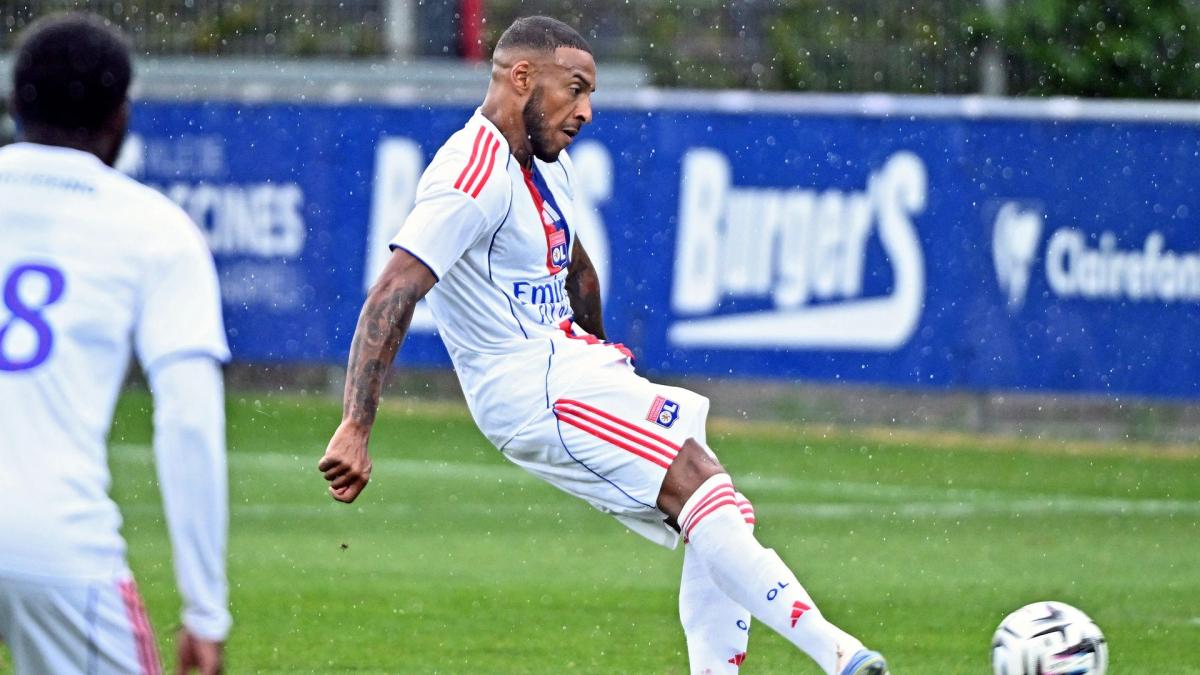
Controversy Reigns Amid OL vs Rennes Clash in Ligue 1
The latest matchup in Ligue 1 between Olympique Lyonnais (OL) and Stade Rennais has sparked significant debate and frustration among fans and players alike. The match, held this Sunday, concluded with a score of 3-1 in favor of Rennes, but it was the events during the game that have captured the headlines. A particularly contentious moment occurred in the 76th minute when OL midfielder Tyler Morton received a red card, reducing Lyon to ten men and fundamentally altering the dynamics of the match.
As tempers flared on the pitch, OL supporters voiced their outrage at what they deemed a poorly officiated game. The controversial decision to expel Morton was not the only pivotal moment. Many Lyon fans expressed that the referee, Anthony Rouault, missed an egregious foul committed by Rennes’ Khalis Merah, who appeared to execute a high sole challenge that many deemed red-card worthy.
Referee Errors Under Scrutiny
In the aftermath of the match, the French Football Federation (FFF) acknowledged the refereeing errors that took place. On Monday, they released statements admitting that Rouault’s failure to issue a red card to Merah constituted a significant oversight. This admission from the FFF highlights the continued issues surrounding officiating within the league, which has faced increasing scrutiny this season.
The VAR (Video Assistant Referee) intervention during the match also drew mixed reactions. Referee Stéphanie Fracpart analyzed the video evidence concerning the Merah incident. In her assessment, she determined that the challenge “slides” and did not warrant a red card. This interpretation has been met with skepticism, particularly from Lyon’s captain, Corentin Tolisso. He took to social media platform X (formerly Twitter) to express his incredulity at the explanation, suggesting that it left much to be desired.
Fan Reactions and Team Impact
The tumultuous nature of the match has not only affected the players but also ignited passionate responses from the fanbases of both teams. OL supporters, feeling aggrieved by the officiating, took to social media platforms to voice their frustrations, sharing clips and analyses to highlight perceived injustices during the match.
Rennes fans, conversely, celebrated their team’s victory but are also aware of the implications such delayed calls can have on future matches. The atmosphere around Ligue 1 games has become increasingly charged; each decision made by referees is now subject to rigorous analysis, with calls being dissected in real-time thanks to the prevalence of social media.
The psychological impact on the players is also noteworthy. For OL, the red card not only influenced the outcome of this match but may linger in the minds of the players as they approach their next fixtures. The loss leaves them looking to identify shortcomings in their game while wrestling with the emotional fallout from perceived injustices.
League Integrity at Stake
As the season progresses, the integrity of Ligue 1 is being put to the test. The credibility of the officials is increasingly under fire, and with technology such as VAR intended to minimize errors, questions arise as to how such blatant mistakes continue to occur.
The FFF’s acknowledgment of officiating errors is a critical step towards accountability. However, it also raises valid concerns regarding how often disputes such as this will mar the experience for players and fans alike. Each week in the league brings a new match with the potential for controversy, leaving supporters wondering if the results can be reliably determined solely by the play on the field.
Looking ahead, OL will have to regroup and reassess their strategy, especially as they face tougher opponents in their upcoming fixtures. The added pressure of feeling wronged can serve as a double-edged sword; while it may ignite a fire within the squad, it can also lead to distractions that detract from their performance.
Similarly, Rennes will seek to carry momentum from this victory but will also need to address their own shortcomings, particularly around discipline and player conduct on the field. Each match presents a blank canvas, but it is imperative for teams to learn from past encounters, not just in terms of tactics but also in maintaining composure amid controversy.
In a league filled with passionate followers and fierce competition, the onus lies on officiating bodies to ensure fair play and consistency. The stakes are high, not only for title contenders but also for the broader reputation of Ligue 1 as a premier football league in Europe. The hope remains that future matches will be devoid of similar disputes, allowing the beauty of the game to take center stage once again.