
Understanding Turkey’s 10th Judicial Package: Implications and Developments
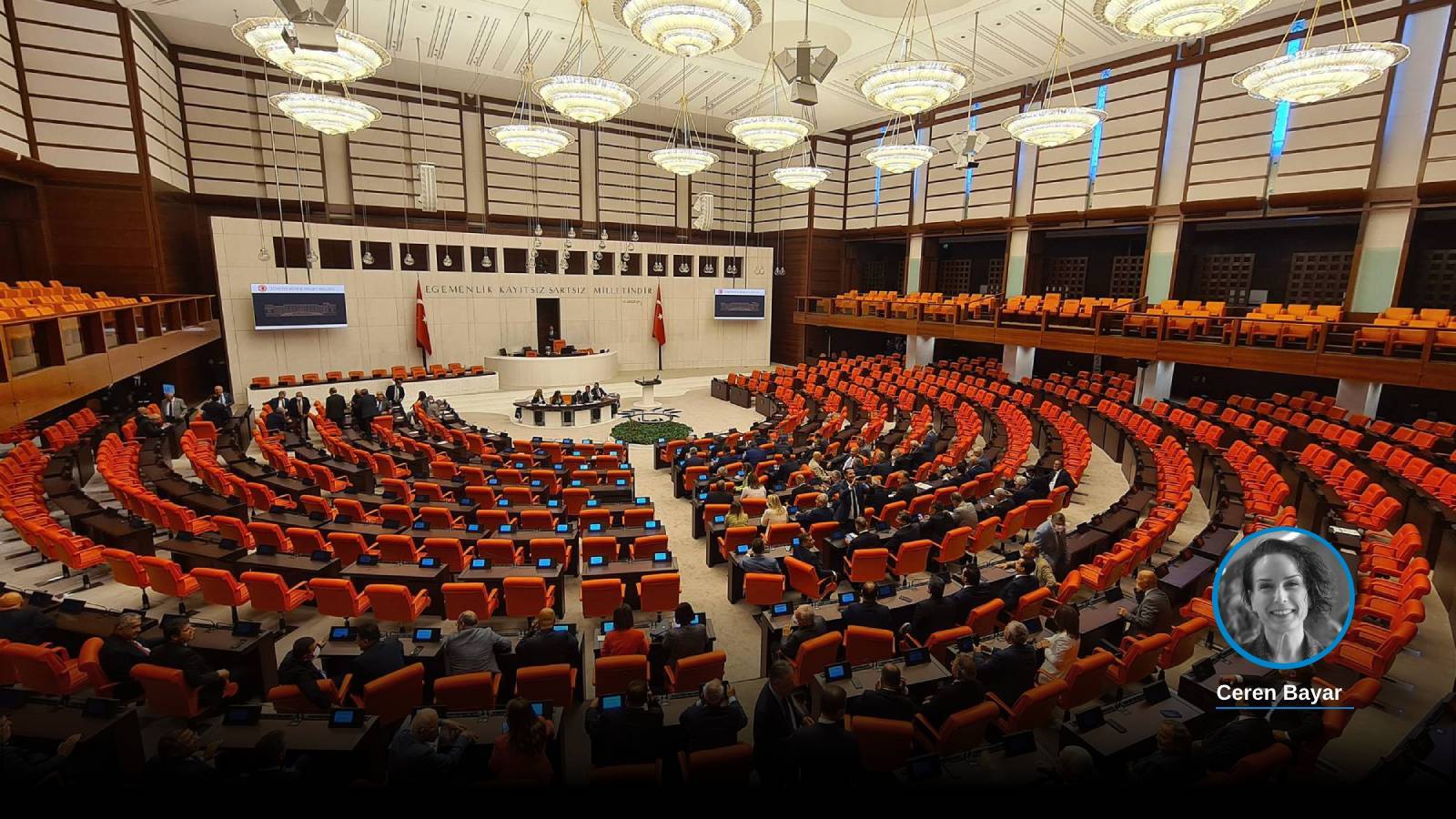
In the realm of Turkish governance, the 10th Judicial Package has been at the forefront of discussions within the Parliament . Today, significant negotiations are underway, focusing on the potential removal of eight articles from the proposed legislation. This legislative package, which aims to amend various aspects of the judiciary, particularly inmate release protocols, has prompted a series of debates between the ruling and opposition parties.
Negotiations Between Parties
The ongoing discussions within the Turkish Parliament are critical in shaping the final version of the judicial package. The ruling and opposition parties are engaged in intense negotiations, with reports suggesting that the number of articles to be removed could further increase. The urgency in these discussions stems from an aim to expedite inmate releases before the upcoming holiday season . This has led to an increased emphasis on finding a consensus to reduce the number of contentious articles in the proposal.
Interestingly, the articles identified for removal are not expected to have any impact on the number of inmates eligible for release. This clarification is crucial, as it helps to alleviate fears regarding the potential effects of the pending legislative changes on the prison population.
Contentious Articles and Their Implications
Among the specific articles targeted for removal is the provision granting the Information Technologies and Communications Authority (BTK) the authority to remove content. This article has been controversial, raising concerns about freedom of expression and the implications for digital media.
Another highly debated proposal included in the initial package was a measure that would impose prison sentences ranging from one to five years for the use of sound and gas projectiles . Such a provision was met with significant pushback, particularly from human rights advocates who argue that it could lead to overreach by law enforcement.
Further articles aimed at enhancing traffic safety were also included. One proposal sought to introduce a sentence of one to three years for obstructing moving vehicles. While some praise the intent behind this article—promoting road safety—others question its potential to unfairly penalize individuals involved in accidents or emergencies.
The legislation also included provisions related to general public safety , suggesting prison terms for a variety of actions deemed dangerous. Critics fear this could lead to subjective enforcement of the law, where individuals face incarceration for ambiguous infractions.
Moreover, the package contained articles addressing the Notary Law , regulating disciplinary measures, and provisions concerning juvenile offenders. Notably, an article aimed at directing children whose sentences have been finalized to educational facilities instead of prisons sparked discussions about reforming juvenile justice.
Moving Forward with Legislative Procedures
As the discussions unfold, it is expected that the deliberations will begin later today following the election of the Parliament Presidency . The process is anticipated to be extensive, continuing until all aspects of the package are thoroughly examined and debated.
This legislative effort reflects a broader trend towards judicial reform in Turkey, aiming to align with public expectations for justice and to address the growing concerns regarding prison conditions and inmate welfare. The prospects of increased releases, especially before the holidays, highlight an urgent need for reform in a system critiqued for its overcrowding and harsh conditions.
The legal landscape in Turkey continues to evolve as both the government and opposition seek to navigate through this complex legislative environment. The potential changes and the resultant impact on both inmate releases and the functioning of the judicial system remain critical topics of public interest.
Balancing the need for enhanced public safety with the fundamental rights of citizens poses a significant challenge for lawmakers. With political pressures mounting, the outcome of the 10th Judicial Package will likely set a precedent for future legislation and could play a pivotal role in shaping Turkey’s legal framework in the coming years.
As discussions continue and the political climate shifts, stakeholders from all sectors will be paying close attention to the outcomes of these negotiations. The evolution of the judicial package underscores the dynamic interplay of law, policy, and the fundamental rights of individuals within Turkey.