
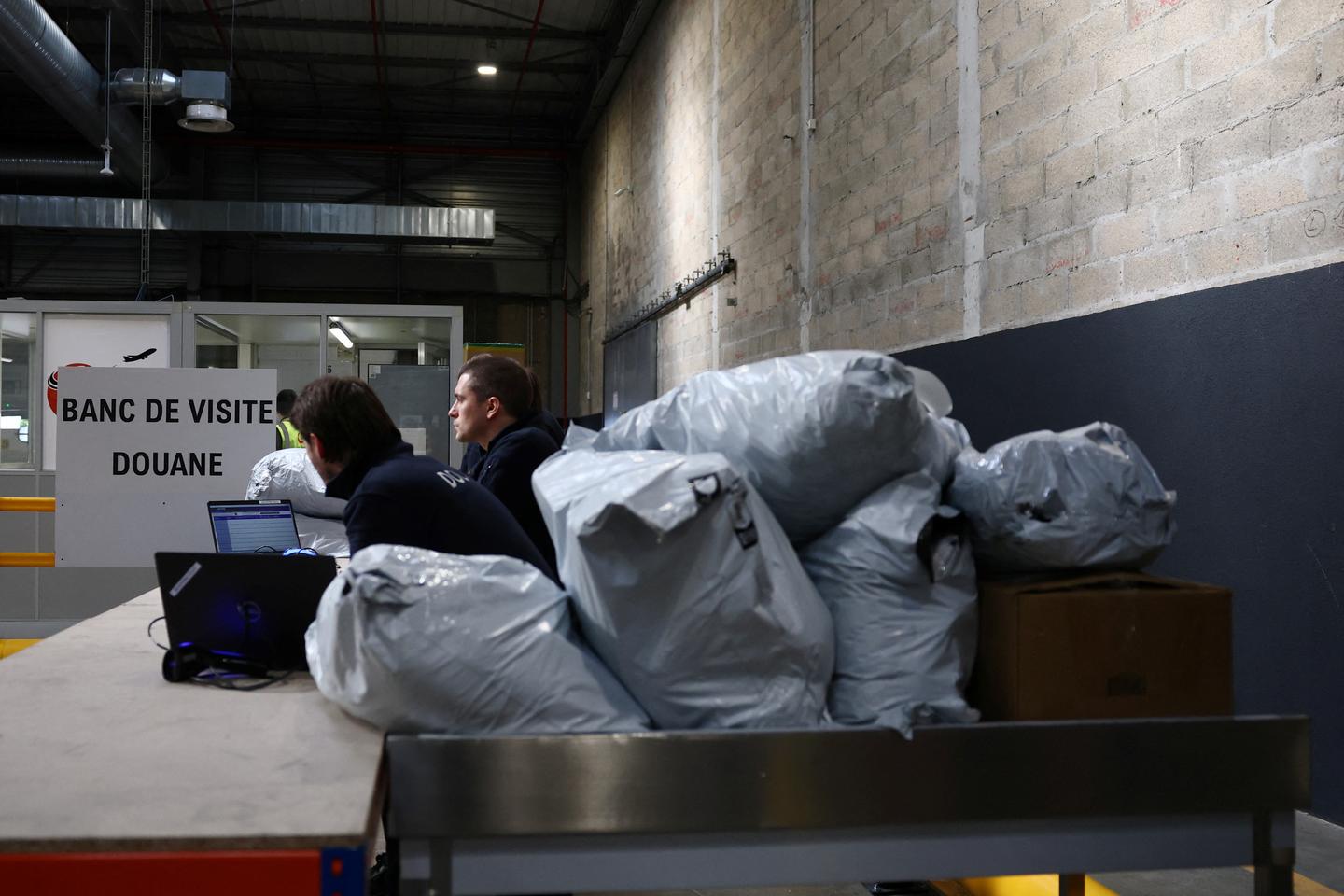

On June 7, 2025, the gendarmerie announced that a cocaine trafficking operation spanning several months between France and Brazil , involving baggage handlers at the Paris Charles de Gaulle Airport , had been dismantled. This operation underscores the ability of criminal organizations to bribe airport staff , specifically targeting lesser-known mid-level employees.
Eight arrests took place on June 3 across multiple departments, including Oise , Pas-de-Calais , Seine-et-Marne , Val-de-Marne , Val-d’Oise , and Seine-Saint-Denis . The operation involved 105 gendarmes and various specialized units. Approximately €500,000 in criminal assets and over €100,000 in cash were seized, along with five vehicles, a house, luxury items (such as clothing, perfumes, and jewelry), and a firearm.
These arrests stemmed from a judicial investigation initiated on January 22 by the Paris Interregional Specialized Jurisdiction (JIRS), focusing on organized drug trafficking , conspiracy , and money laundering related to drug trafficking. Seven of the arrested individuals have been charged, with two placed in preventive detention, four under judicial supervision, and one requesting a deferred hearing before the judge responsible for freedoms and detention.
Monthly Trafficking Inside the Airport
At the close of 2024, two packages containing 45 bricks of cocaine , totaling 50 kilograms , were uncovered during a security control by the Air Transport Research Section (SRTA). This discovery confirmed prior reports about the cocaine smuggling operation.
Following the identification of cocaine shipments from Brazil to Charles de Gaulle Airport, the SRTA was tasked with investigating the origins of this trafficking. The implementation of special investigative techniques allowed authorities to determine the scale of the network, notably active in Seine-Saint-Denis. The organization relied on several employees and managers from an airport services company to smuggle out between 20 to 50 kilograms of cocaine each month.
“Media reports have often concentrated on mules, but much less on airport complicity, which is highly sought after by criminal outfits,” remarked a senior SRTA official to Agence France-Presse . “What’s particularly intriguing about this case is that we managed to implicate both managers and handlers. Typically, only handlers are caught, making it challenging to connect to the managerial level that enjoys protection within the airport ecosystem.”
This incident highlights a growing trend where criminal organizations are mobilizing airport staff to facilitate drug trafficking. With the knowledge and resources afforded by airport employees, these organizations can efficiently move drugs across borders while mitigating risks typically associated with drug deliveries.
The sophisticated methods employed in this operation pose significant challenges for law enforcement agencies, urging them to innovate and adjust their strategies to counteract evolving criminal tactics. Addressing the situation requires a concerted effort not only from law enforcement but also from airport security personnel to thwart potential corrupt practices from infiltrating their ranks.
The implications of organized crime infiltrating airports are severe, prompting discussions regarding upgrading oversight measures that can identify potential vulnerabilities in airport operations. Strengthening these systems is paramount to prevent the cyclical nature of drug trafficking within such vital transportation hubs.
This operation’s success may serve as a model for future investigations aimed at dismantling similar networks while ensuring that airports remain safe sanctuaries for travelers and goods alike. Counteracting organized crime in airport environments is essential in safeguarding public safety and upholding the integrity of global travel.
While the dismantling of this cocaine trafficking network marks a significant win for law enforcement, it remains essential for authorities to maintain vigilance. The potential for other networks to disrupt airport operations underscores an urgent need for continuous monitoring and investigative diligence.
With the enhance scrutiny being instigated by this operation, the spotlight now shifts towards creating a defensive framework to effectively combat the complexities associated with drug trafficking within the confines of global airports.