
Volkswagen’s Historical Crossroads
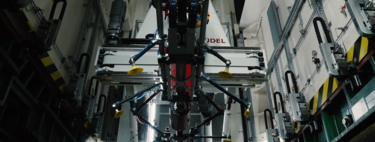
The history of Volkswagen dates back to its inception in Nazi Germany when Ferdinand Porsche was commissioned to create a car for the people. The vision was realized in 1938 with the establishment of the Wolfsburg factory, inspired by the Ford factory in Dearborn, USA. Over the decades, Volkswagen evolved into the world’s second-largest car manufacturer, trailing only Toyota.
A Shift in Strategy
Despite its impressive growth, Volkswagen has recently faced turbulent waters. The European automotive industry is undergoing significant transformation, prompting Volkswagen to make unprecedented decisions, including ceasing production in Germany.
The Closure of the Dresden Plant
In a move that symbolizes the company’s struggles, Volkswagen announced the closure of its glass factory in Dresden, a facility that once produced the luxury Phaeton sedan. The plant had transitioned to manufacturing electric vehicles, such as the e-Golf and later the ID.3, but production dwindled to a mere 35 cars per day by 2022. This closure marks a significant shift, as Volkswagen has never before stopped production at a German facility. The factory is now being repurposed into a university center.
Economic Reality Check
The decision to close the Dresden plant stems from economic necessity. Volkswagen CEO Thomas Schäfer described the closure as “essential from an economic perspective.” With low production figures and a facility focused more on research than on meeting domestic demand, the company’s long-term viability was at stake. This closure highlights the intensity of the challenges Volkswagen faces as it grapples with the rapid shift towards electrification and the decreasing profitability of such initiatives.
Wider Implications for the Automotive Industry
In 2022, Volkswagen’s management signaled a looming crisis across its factories in Germany as part of a broader savings plan. The brand’s ambition to lead the electric vehicle market has run into challenges, including stagnant European demand for affordable electric cars and adverse tariffs impacting sales in the US, resulting in significant financial losses.
Future Outlook
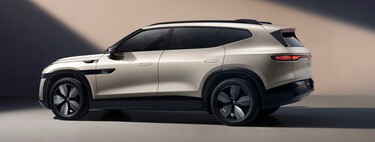
The challenges Volkswagen faces are indicative of the shifting dynamics within the automotive industry. As the company navigates its next steps, a focus on consumer preferences and profitability will be crucial for future investments. It appears essential for Volkswagen to reassess its electrification strategy to regain its footing in a competitive landscape, suggesting that the road ahead will require a blend of innovation and adaptability.
As Volkswagen moves forward, striking a balance between immediate economic pressures and long-term investment will determine its success in evolving market conditions.