
The PlayStation Ship: An Urban Transformation
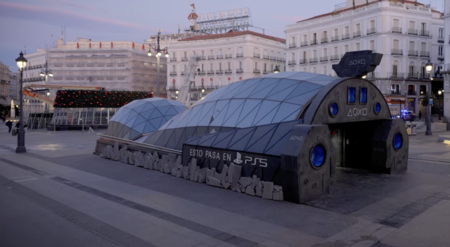
A spaceship sensation has taken over the center of Madrid, intriguingly situated at the Sol station. This isn’t a literal spacecraft; it’s a cleverly crafted design as part of PlayStation’s marketing campaign. This unexpected urban element highlights a burgeoning trend of converting cityscapes into immersive theme-like environments.
The Marketing Phenomenon
On November 4, the Sol station unveiled its “tuned” look, featuring a faux crashed ship. This design is part of a promotional campaign led by one of Spain’s popular streamers, The Grefg, culminating in a raffle where lucky participants could win four PlayStation 5 Pro consoles. This event isn’t merely about a game launch; it’s a grand marketing strategy that has transformed a central city landmark into an interactive experience.
Experiential Marketing: A Shift in Strategy
Experiential marketing is far from novel, but the extent of such campaigns in Spain is unprecedented. These initiatives aim to forge stronger connections with consumers than traditional advertisements can achieve. While giant billboards fade into the background of our daily lives, a reimagined subway station offers a fresh experience that captures attention.
Transforming Urban Spaces
Public transportation centers are prime spots for branding; they attract large foot traffic. Sol station, for example, is a well-known hub that once bore the name “Vodafone Sol.” Such transformations not only establish brand identity but also significantly alter public perception.
Visual Pollution or Creative Exposure?
Critics argue that initiatives like the PlayStation ship contribute to “visual pollution.” Consumers can’t escape the barrage of advertising in these contexts. Yet, the intriguing nature of this campaign also sparks online conversations and engagement, leading to a complex dialogue about consumer exposure.
Madrid: A Canvas for Commercial Narratives
Madrid is progressively becoming a canvas for commercial narratives. Adding to this trend, TAG Heuer recently placed a massive countdown clock at kilometer zero, marking the days until Madrid’s Formula 1 return. This practice has parallels with Olympic promotions but raises questions on urban integrity.
Past Transformations and Their Reception
Madrid’s subway has seen past takeovers, such as the temporary rainbow colors at Chueca station, courtesy of Netflix. While these campaigns often garner mixed reactions, they contribute to a vibrant dialogue on public and commercial space.
Balancing Revenue and Aesthetic Integrity
The financial implications of these campaigns cannot be ignored. Permitting outdoor advertisements generates substantial revenue, aiding municipal projects that would be underfunded otherwise. The deal for naming the Sol station “Vodafone Sol” brought in three million euros from 2013 to 2016, showcasing a practical synergy between public needs and private enterprise.
City Responses: A Divergent Landscape
In contrast to Madrid’s liberal approach, cities like Lyon are actively reducing outdoor advertising by 75%, striving for a more aesthetically pleasing urban landscape. This creates a tension between the desire for municipal revenue and maintaining an inviting city environment.
Public Reactions
Public responses to creative campaigns like the PlayStation ship vary, with some praising the imaginative marketing while others lament the idea of cities becoming oversized playgrounds. This sentiment echoes throughout recent campaigns, such as Uber Eats’ brief renaming of Goya station to “Gyoza,” which stirred both amusement and ire.
As urban spaces continue to evolve, the line between advertising and experiential interaction grows increasingly blurred, making cities not just centers of commerce but stages for captivating stories.