
Ongoing Tensions Between FFF and PSG: A Closer Look
The world of football is often rife with controversy, and the tensions between the French Football Federation (FFF) and Paris Saint-Germain (PSG) are a prime example. Following the injuries of Désiré Doué and Ousmane Dembélé during the recent match against Ukraine, disagreements between these two influential entities have escalated. The situation demands a thorough examination to understand the broader implications for the sport in France.
After the unfortunate injuries to their key players, PSG has been vocal about its concerns regarding player management and injury protocol. The club has called for a new transparency protocol to be established, aiming to prevent further misunderstandings and communication breakdowns. This request highlights the ongoing struggle for power and influence between club and federation, raising questions about player safety, responsibility, and governance.
The Position of Didier Deschamps
In defense of his actions, Didier Deschamps, the head coach of the French national team, stated that he operates within his rights. He is adamant that the national team’s needs must take precedence over those of individual clubs. The crux of his argument centers on the belief that national representation is paramount, and clubs must accept this when they allow their players to compete at international levels.
This stance has drawn criticism from various corners, particularly from PSG’s management. Deschamps’ assertion continues to fuel the debate on whether clubs should have a greater say in matters involving their players, especially when injuries are incurred during national duty. The pinch point is that many clubs, including PSG, feel responsible for the well-being of their players and are anxious about their commitments after international games.
Christophe Dugarry Weighs In
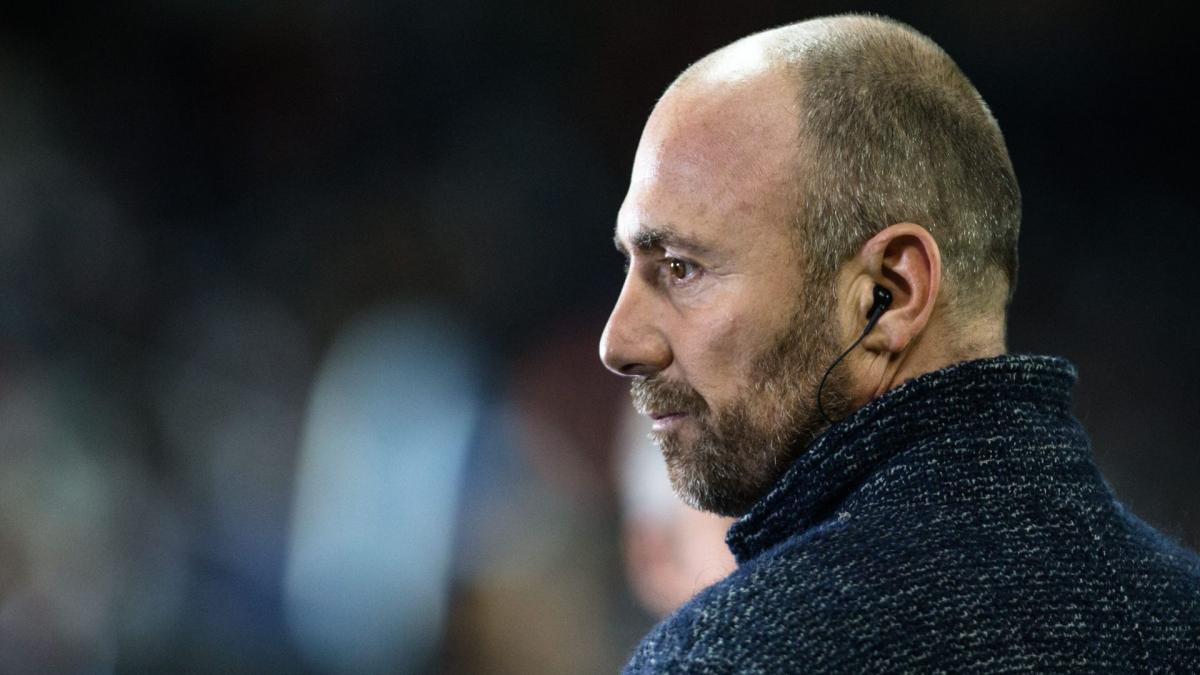
Former French international Christophe Dugarry did not shy away from making his feelings known. On a segment for RMC, Dugarry expressed his full support for the FFF and Deschamps, stating, “They want to master everything! They already have their noses in the LFP and they now want to have their noses in the federation.” His remarks elucidate the growing unease surrounding PSG’s influence in French football.
Dugarry went on to highlight the perceived manipulation by PSG regarding player welfare and overload. He argued that it is unreasonable for the club to shift the blame on the national team for Dembélé’s injuries, indicating that PSG themselves are responsible for managing the player’s workload. Dugarry’s comments reflect a sentiment among many that national teams should not be impeded by the interests of club owners and managers.
PSG and their Drive for Control
PSG, with their deep financial backing and ambitious projects, has increasingly adopted a dominant position in French football. Their position has led to questions regarding the balance of power between clubs and the federation. What seems to be at stake is not just the health of Dembélé or Doué but rather the entire relationship dynamics within French football.
Nasser Al-Khelaïfi, president of PSG, has been vocal about the club’s desire to shape policies that influence player management. His support for events such as the Club World Cup, which he praised alongside FIFA’s president Gianni Infantino, underscores PSG’s ambitions to exert more control over the footballing landscape.
The Broader Implications
The ongoing conflict between PSG and the FFF may have implications that extend beyond the immediate concerns of player injuries. As the friction continues, it could lead to future scenarios in which clubs demand greater input into matches played during international breaks, raising significant questions about player exploitation and injury risks.
Moreover, the rising tensions may indirectly affect team morale and player commitment, creating a rift between international duty and club loyalty. It prompts larger discussions on the governance of football, the rights of players, and the responsibilities of clubs and federations alike.
The FFF is entrusted with making decisions that protect players while ensuring the national team performs at its best. Conversely, PSG is solely accountable for player fitness throughout the season. Both parties need to find common ground to ensure that player welfare remains a priority without compromising the essence of international football.
As discussions around player management and cooperation between clubs and federations continue to evolve, it’s vital to remember that the heart of football lies in the players. Their health and performance should always come first, fostering an environment conducive to the beautiful game. The situation serves as a reminder that collaboration, respect, and understanding remain key for the holistic growth of the sport.