
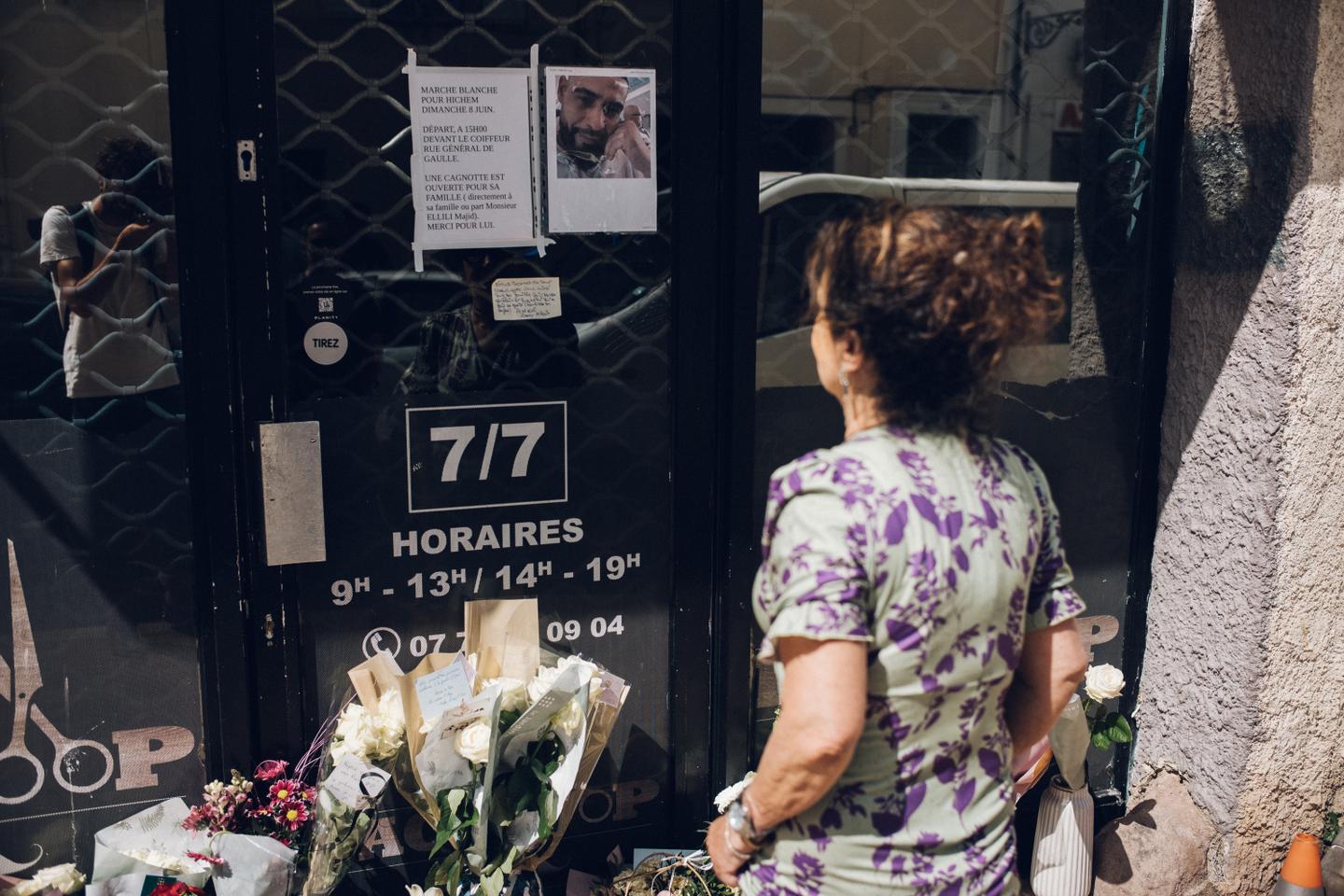

On June 3, 2025, the town of Puget-sur-Argens was rocked by a tragic event that highlighted the persistent issues of racism and violence in contemporary society. Hichem Miraoui, a local barber, was fatally shot just days before this incident. The murder, described as a racially motivated crime, has prompted significant outrage and concern among residents and communities across France.
Rising Tensions in the Community
In the weeks leading to Miraoui’s death, social media posts and online discussions revealed an alarming trend of hatred and intolerance . The assailant, identified as Christophe B., had a long history of posting inflammatory comments on various platforms, apparently without attracting any significant attention from law enforcement or online moderators. His Facebook profile exhibited traits of open bigotry , with contempt for Arabs, Muslims, and marginalized groups. This situation raises important questions about the monitoring of hate speech and the implications for public safety.
Understanding Hate Crimes
Hate crimes, such as the one perpetrated against Miraoui, are not merely isolated incidents; they represent a broader challenge faced by societies grappling with issues of ethnic discrimination and cultural prejudice . The rise of extremist ideologies, often propagated through social media, creates an environment conducive to violence. According to recent statistics, incidents of hate crimes in France have been on the rise, emphasizing the urgent need for comprehensive strategies to combat such acts.
The Role of Social Media
The online behavior of individuals like Christophe B. underscores the double-edged sword of social media. While these platforms can foster connection and community, they can also serve as breeding grounds for hate and radicalization. Surveys indicate that many young people are exposed to graphic content and extremist rhetoric online early on, resulting in the normalization of violence and prejudice.
A Community in Mourning
In the wake of Hichem Miraoui’s tragic death, the community has come together in solidarity, expressing grief and outrage. Local vigils and marches honoring his memory have been organized, bringing together individuals from various backgrounds who unite against hate and violence. Community leaders have spoken out, emphasizing the need for unity and resilience in the face of adversity.
Policy and Reform
This event has spurred conversations around potential reforms in policy and legislation regarding hate speech and community safety. The French government has been criticized for its perceived inaction regarding the online radicalization of individuals. Calls for stricter oversight and better resource allocation for monitoring internet activity related to hate crimes have become more vocal as communities express their fears for safety and the future.
Conclusion
The tragic murder of Hichem Miraoui serves as a stark reminder of the dark realities we face in our societies. The normalization of hate , fueled by online platforms, poses significant challenges that require urgent attention and action. If communities rally together, fostering dialogue and understanding, there is hope for a more inclusive society where such violent acts become a thing of the past. Only through collective effort can we hope to break the cycle of hatred and move towards a more harmonious future.