
It is more than likely that, wherever you look, you see Chinese technology. Maybe it’s your cellphone, your tablet, or your television. You may be surprised that your Japanese or American microwave is actually manufactured by a Chinese company. Or your refrigerator, air conditioning, whatever. China has conquered the world of technology, and that, at this point, does not surprise anyone.
It will also not be surprising that the Asian giant wants to get into the kitchen (literally) and, in this case, even our garage. Since 2015, China has been promoting a plan to lead several key technological industries, including becoming the largest producer of batteries in the world. One of those industries is automotive, and we are already starting to see its effects.
From Mobile Phones to Electric Cars
China quickly realized that the future of cars lies not in combustion engines but in electric vehicles. To facilitate this transition, the state has subsidized every stage of the production chain, from mines and loading docks to battery manufacturing and startups. A notable success story is BYD, which transitioned from manufacturing mobile batteries to becoming a leader in the Chinese electric vehicle market.
Competing in a Saturated Market
However, the Chinese automobile market is extremely saturated. With around 150 car brands competing domestically, the market is fierce. To combat this, China began looking outward, and its efforts are paying off. In 2023, China is expected to surpass Japan as the world’s leading car exporter, setting its sights on Europe next.
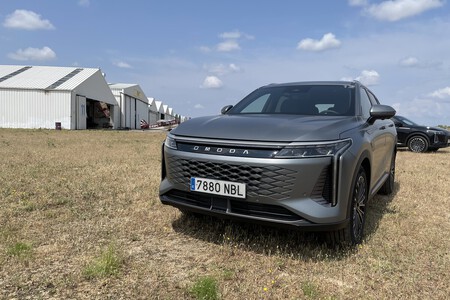
The Chinese strategy is straightforward: offer technology, design, and autonomy at much lower prices than those of local and Western manufacturers. Spain has served as an entry point for brands like BYD, OMODA, JAECOO, XPENG, and MG, leading to a noteworthy decrease in average car prices by around 12%. In just a few years, the market share of these brands has surged from 2% to 7%, with an increase to 14% when including plug-in hybrids.
Why is China Winning?
How is China managing this rapid expansion? The answer lies in its comprehensive control over the production chain. China extracts, produces, manufactures, and assembles all key components. Additionally, companies benefit from affordable financing, free land, and subsidized energy. This competitive environment fosters innovation and encourages price cuts.
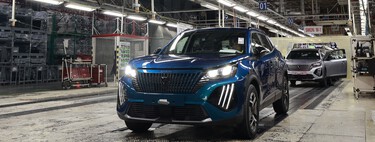
Even tariffs have not hindered China’s advance. The country has established factories on European soil to manufacture locally, subtly laying the groundwork for a protracted economic conquest. This example represents merely a glimpse of a much larger movement, as detailed in a further report linked here.
In Xataka, I have ridden a 100% autonomous XPeng Mona in a Chinese city. Tesla and Europe face significant challenges.