
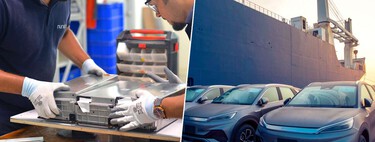
The European Electric Car Manufacturing Dilemma
Manufacturing electric cars in Europe was a strategic promise made by the European Union (EU) to attract Chinese manufacturers, mainly to avoid tariffs and consolidate the automotive industry within European borders. However, the results have not aligned with the initial expectations.
Manufacturing in Europe
As of October 2024, the EU has implemented tariffs on all companies importing electric vehicles (EVs) from China, including those based in Europe. This measure aims to ensure that all companies contribute equally to the industry and create a favorable environment for local manufacturing.
The strategy might have produced mixed results. Following these tariff implementations, the Chinese government halted several negotiations involving potential investments in Europe. Furthermore, there’s growing concern over whether these new factories are creating the employment opportunities promised.
Chinese Workers in Europe
Stéphane Séjourné, the Vice President of Prosperity and Industrial Strategy of the European Commission, has voiced his concerns about the employment model being adopted by Chinese manufacturers in Europe. He pointed out that some factories in Spain and Hungary are assembling vehicles using Chinese components and labor, raising questions about the benefits these plants bring to the European economy.
The Hungarian Case
In Hungary, BYD is constructing its first European factory, expected to produce 150,000 cars annually, potentially increasing to 300,000. However, early reports indicate that a significant portion of the workforce comprises Chinese employees. This raises alarms among EU officials about whether this factory will truly facilitate wealth generation and job creation on European soil.
The Spanish Situation
Similar concerns are evident in Spain, where the Chery plant operates out of the former Nissan facility in Barcelona. Chery has been assembling vehicles in Spain but has faced delays and regulatory scrutiny regarding its operational value. The production method, often involving the assembly of imported kits, has raised doubts about the local economic impact.
Regulatory Pressures and Future Outlook
In addition to regulatory scrutiny, there’s pressure from various stakeholders in Europe, including French policymakers advocating for a complete European supply chain for electric vehicles. Josep María Recasens, the president of Renault Spain, emphasized that China should not be able to simply manufacture low-value components in Europe without mutual partnerships for technology transfer and local investment.
Conclusion
The ambitions of the EU to enhance its automotive landscape through Chinese investment are being challenged by the current dynamics in labor and manufacturing practices. The expectation was that local factories would not only build EVs but also create jobs, yet the reality has been clouded by concerns regarding employment practices and the disproportionate presence of Chinese labor. As the regulatory landscape evolves, so too will the conversations around ensuring that these factories contribute meaningfully to the European economy.