
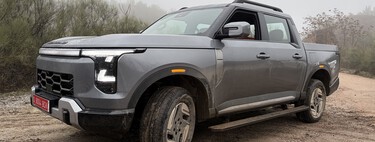
The Future of Spain’s Automobile Industry: Embracing Chinese Investment
“Renew or die.” This phrase encapsulates the Spanish government’s strategy for revitalizing its automobile industry. With electrification at the forefront, Spain is poised to attract significant investments, particularly from Chinese manufacturers, as it seeks to reshape its automotive landscape.
Domestic Initiatives: The Auto+ and Auto 2030 Plans
Recently, the Spanish government revealed the Auto+ Plan, aimed at incentivizing electric vehicle purchases with discounts of up to €4,500. However, to qualify, both the vehicle and its battery must be assembled in Europe. This requirement emphasizes Spain’s commitment to bolstering local manufacturing, as articulated by Jordi García Brustenga, Secretary of State for Industry, during the Future: Fast Forward event. The Auto 2030 Plan includes 25 measures targeting investments in battery production and modernization of current facilities.
Strategic Focus on Electrification
García Brustenga has stressed that the move towards electrification is not just a trend but a cornerstone of the future automobile industry. The government’s openness to foreign investment highlights a desire to integrate Spanish technology and workforce into the new electric landscape. This approach aims to provide mutual benefits and ensure that China’s growing automotive sector contributes to Spain’s economic landscape.
China’s Growing Interest in Spain
Spain has increasingly become a desirable location for Chinese manufacturers. The country is anticipated to host new facilities, such as a potential BYD factory. Additionally, collaborations are emerging, like Ford’s interest in sharing space with Geely in Valencia. Significant projects are underway, like a CATL battery plant in Zaragoza, which will support the Stellantis factory.
Ports as Gateways
Spain’s ports, especially in Barcelona and Santander, are actively facilitating the entry of Chinese vehicles into Europe. In fact, 81% of vehicles exported from China to Spain transited through Barcelona during 2024. With these strategic entry points, Spanish ports are strengthening economic ties with China, positioning the country as a critical hub for Chinese automotive exports to Europe.
Balancing Investments and Tariffs
The Spanish government’s stance on tariffs has evolved, transitioning from supporting protective measures to adopting a more flexible position that seeks to attract Chinese investments. This shift aims to prevent any fallout from previous protectionist policies, especially after Pedro Sánchez’s visit to China, where he praised the local automobile industry.
Economic Questions and Future Prospects
Despite the optimism surrounding Chinese investments, skeptics question the actual economic impact. Companies like CATL and BYD have raised concerns about their reliance on Chinese labor. Additionally, plans for Nissan to assemble new models remain undecided, as they navigate the complexities of existing tariffs. The government must ensure that these investments lead not just to profits but to the genuine development of the Spanish automotive sector.
Conclusion: A New Era for Spanish Manufacturing
As Spain extends its hand toward Chinese manufacturers, the automotive industry stands on the brink of transformation. The Auto+ and Auto 2030 Plans signify a commitment to electrification and investment in local production. However, the success of this strategy will hinge on whether these investments can synergize with local labor and technology while navigating the challenges posed by tariffs and economic skepticism. As these dynamics unfold, Spain could very well become a pivotal player in the European automotive market, changing the landscape of manufacturing in the region.