
Nexperia: A Technological Tug-of-War between Europe and China
Nexperia may not be a name known to many, yet its semiconductors are integral to a wide array of devices, from cars to consumer electronics. Over the years, this discreet company based in the Netherlands has operated under the radar, owned by the Chinese firm Wingtech. However, recent events have thrust Nexperia into the spotlight, altering its trajectory significantly. In a surprising move this fall, the Dutch Government took temporary control of Nexperia’s management, citing economic security as a primary concern. Days later, China restricted Nexperia’s subsidiary from exporting certain products, effectively making a once-invisible company the nexus of a burgeoning geopolitical dispute.
The Dutch Government’s action was not an expropriation but an unprecedented step: the invocation of the Asset Availability Law, a statute established in 1952 designed to ensure the supply of vital goods amid crises. By leveraging this law, the Ministry of Economic Affairs gained veto power over key strategic decisions regarding Nexperia. An independent administrator has been appointed to oversee Nexperia’s operations, ensuring adherence to protocols that prioritize the defense of technological assets within Europe and prevent the transfer of sensitive knowledge to any external entities.
The Scope of Dutch Control
The Dutch control over Nexperia’s operations is highly specific. Although the government does not officially own the company, it wields significant authority. The government can veto critical decisions, alter management structures, and even halt actions that may jeopardize supply or technology security. The supervisory measures are currently set for a one-year period, although there remains ambiguity regarding potential extensions beyond this initial timeline.
The Export Veto
In swift retaliation, China implemented its own restrictions on Nexperia. The Ministry of Commerce announced a veto on the exportation of certain “finished components and subassemblies” produced within its territory by Nexperia and its suppliers. While the internal market remains untouched, this blockade disrupts vital trade routes to Europe and the United States. Nexperia has acknowledged these challenges, confirming ongoing discussions with Chinese authorities to lift the embargo.
Impact on the Supply Chain
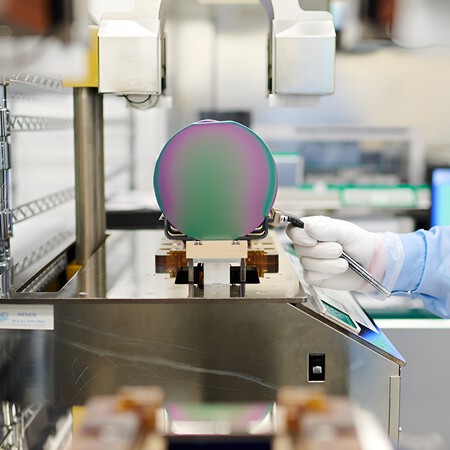
Nexperia’s facility in Guangdong stands as one of its largest manufacturing hubs, with the capacity to produce tens of billions of parts annually. The recently imposed bans have targeted this pivotal location, affecting its local suppliers and consequently restricting international shipments. Nonetheless, Nexperia maintains active operations across its European and Southeast Asian plants, which may cushion the impact of these developments. As of now, the company reports that production and orders within Europe continue unimpeded.
Official Responses
In light of these challenging circumstances, Nexperia has committed to fully cooperating with Dutch authorities to enforce the management changes mandated by the ruling. Wingtech, Nexperia’s parent company, has criticized Dutch actions as “excessive interventions” based on what they term geopolitical biases rather than a risk-based assessment. The Chinese Ministry of Foreign Affairs has denounced the allegations, labeling the situation as politically motivated and discriminatory against Chinese enterprises.
A Chronology of Events
- September 30, 2025: The Dutch Ministry of Economic Affairs invokes the Goods Availability Act to implement supervisory measures over Nexperia.
- October 4, 2025: China’s Ministry of Commerce imposes a veto on Nexperia and its subcontractors, barring them from exporting certain components.
- October 7, 2025: The Amsterdam Business Chamber removes CEO Zhang Xuezheng and appoints an independent administrator with decision-making powers.
- October 12, 2025: The Dutch Government formally announces the activation of the supervisory law over Nexperia.
- October 14, 2025: Nexperia acknowledges China’s export veto and engages in discussions to resolve the issue.
Unanswered Questions
The situation surrounding Nexperia leaves numerous questions unanswered. China has not disclosed a detailed list of the affected products, and the information available stems primarily from Nexperia’s statements. Additionally, uncertainty looms over whether the Dutch government’s oversight will conclude at the anticipated deadline or extend indefinitely. Nexperia now finds itself navigating the complexities of opposing regulations, rendering its operational stability precarious at best.
A Conflict of Perspectives
While the Netherlands contends its actions are aimed at securing economic stability and protecting strategic technological capabilities, China interprets these measures as efforts to curb its industrial progress. Within this tense landscape, Nexperia strives to maintain equilibrium, balancing its operations amid rising geopolitical winds. The stakes extend beyond merely preserving Nexperia’s future; this scenario reflects the broader debate regarding Europe’s role in shaping the evolving technological landscape of the globe.
Nexperia’s Significance
With a workforce of over 12,500 and production capabilities that pump out billions of chips each year, Nexperia is no insignificant player in the global market. Its components are woven into the very fabric of the digital economy, serving a multitude of industries, including automotive and consumer electronics. This scale underscores why what began as a national initiative has escalated into a broader global discussion about control, dependence, and technological dominance.
Images | Nexperia (1, 2, 3)