
China’s Engineering Marvel: The Zhenjiang Pumping Station
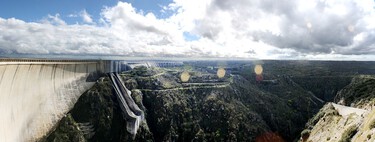
China is renowned for its ability to construct monumental structures, from intricate bridges to sprawling tunnels. However, the latest addition to its engineering portfolio is the Zhenjiang Pumping Station, a remarkable dam reaching heights comparable to a skyscraper. Standing at 182 meters, the Zhenjiang dam is now recognized as the highest pumping station globally, marking a significant milestone in modern engineering.
Overview of the Zhenjiang Pumping Station
Located in Jiangsu province, the Zhenjiang/Jurong Pumping Station was completed in just eight years, a feat that highlights the rapid progress of Chinese civil engineering. This project began in 2017 and has not only impressed with its height but also with its innovative design. The dam features a volcano-like shape and includes a reservoir on its summit capable of holding 17.07 million cubic meters of water—equivalent to the capacity of over 6,800 Olympic-sized swimming pools.
Inside the Dam
The interior of the Zhenjiang Pumping Station is just as impressive as its exterior. The engine room extends 800 meters deep, measuring 250 meters long, 60 meters high, and 25 meters wide. Housing six mixed turbines, this facility has set numerous records in the energy sector. The turbines are designed with optimized efficiency, allowing them to operate under low gradient conditions while maintaining high volumetric flow.
Renewable Energy Contribution
The Zhenjiang Pumping Station represents a significant investment of approximately 9.6 billion yuan (around 1.3 billion euros) aimed at enhancing renewable energy production. Each turbine generates 225 MW, contributing to an overall capacity of 1.3 GW. This facility is expected to consume about 1.8 billion kWh annually during the pumping phase and generate 1.35 billion kWh during discharge.
Efficiency Metrics
A noteworthy aspect of this dam is its consumption-to-generation ratio, which stands at 25%. This is significant, considering conventional pumping installations typically require a hydraulic jump of around 400 meters to achieve similar performance. The Zhenjiang Pumping Station accomplishes this with a head of less than 200 meters.
Functionality and Environmental Impact
The dam effectively functions like a giant battery, storing energy when demand is low by moving water to the upper reservoir and releasing it during peak consumption hours. This mechanism not only aids in electricity generation but also contributes to significant carbon savings—up to 140,000 tons of coal annually and approximately 349,000 tons of CO₂ emissions reductions.
The Bigger Picture
The Zhenjiang Pumping Station demonstrates a successful model for building extensive storage systems in regions with limited natural elevations. It stands alongside other significant dams in the Yangtze River basin, like the massive Three Gorges Dam. While it may not reach their scale in electricity generation, its unique design and efficiency make it a groundbreaking example of how technology can circumvent geological limitations.
Conclusion
In summary, the Zhenjiang Pumping Station is more than just another dam; it is a testament to China’s prowess in civil engineering and a significant leap forward in renewable energy solutions. As countries worldwide push for decarbonization, innovations like this offer a glimpse into the future of energy storage and distribution, proving that monumental challenges in engineering can be met with ingenuity and precision.