
Key Parliamentary Elections in Chile: A Turning Point for Democracy
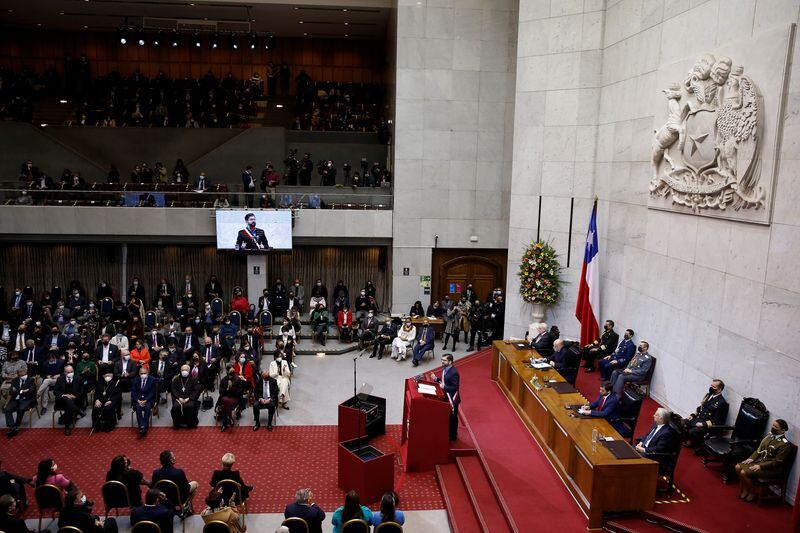
More than 14 million Chileans are gearing up to vote on November 16 for parliamentary elections coinciding with the presidential elections. This pivotal vote will renew the entire Chamber of Deputies and nearly half of the Senate, shaping the political landscape and influencing the direction of governance in the country.
Election Overview
According to the Chilean Electoral Service (Servel), voters will elect 155 deputies for a four-year term and 23 Senators from a total of 50 for an eight-year period. In this election cycle, a significant pool of candidates has emerged, with 1,096 candidates vying for the Chamber of Deputies and 125 candidates for the Senate, spread across seven regional constituencies ranging from Arica and Parinacota in the north to Araucanía and Aysén in the south.
Political Implications
Recent surveys by EFE indicate a potential resurgence of conservatism and the extreme right, with speculations that both coalitions could secure a majority in legislative chambers. Analysts suggest that achieving a 4/7 seat majority could pave the way for significant constitutional modifications and comprehensive structural reforms.
The political discourse is dominated by two major alliances: Chile Let’s Go, a traditional right-wing coalition, and another led by the Republican Party and the National Libertarian Party, groups known for their ultra-conservative stances and ties to the Pinochet regime. The outcome remains uncertain, as both blocks strive to overcome historical fragmentation and emerge victorious.
Challenges Ahead for President Gabriel Boric
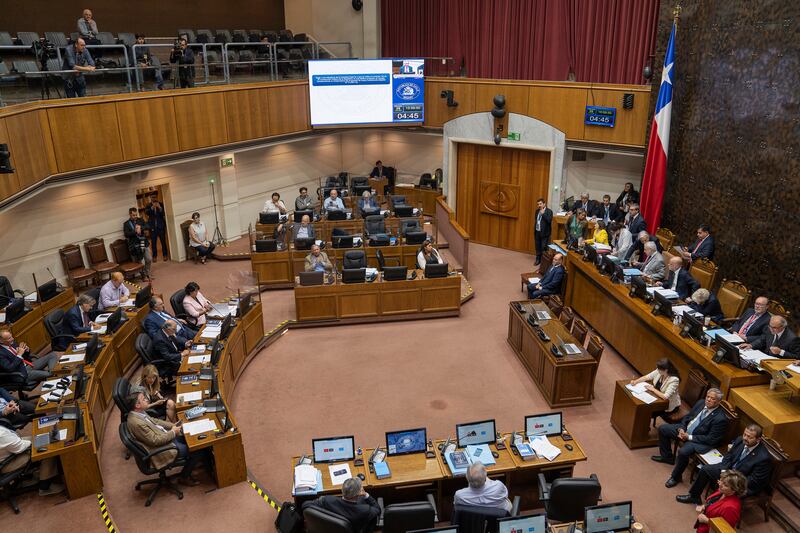
The current composition of Congress, characterized by fragmentation and party indiscipline, has severely constrained President Gabriel Boric‘s ability to advance his policies. In the last parliamentary elections, left and center-left parties captured 74 deputy seats, compared to 68 held by the right and 13 by independent or populist forces. Presently, the right holds a majority in the Senate.
According to experts from the University of Chile and Diego Portales University, the next Congress will play a crucial role in addressing governance challenges. “The formation of the upcoming Congress is pivotal for achieving governability,” remarked analyst Rodrigo Espinoza.
Prospects for the Presidential Race
The implications of these parliamentary elections extend to the presidential race as well. None of the leading candidates—including the leftist Jeannette Jara, far-right candidates José Antonio Kast and Johannes Kaiser, or right-wing Evelyn Matthei—are predicted to secure a majority in the initial round. The upcoming December 14 ballot is expected to be highly consequential, particularly if a coalition between the rightists manages to sideline Boric’s former minister from the competition.
Implications of a Right-Dominated Parliament
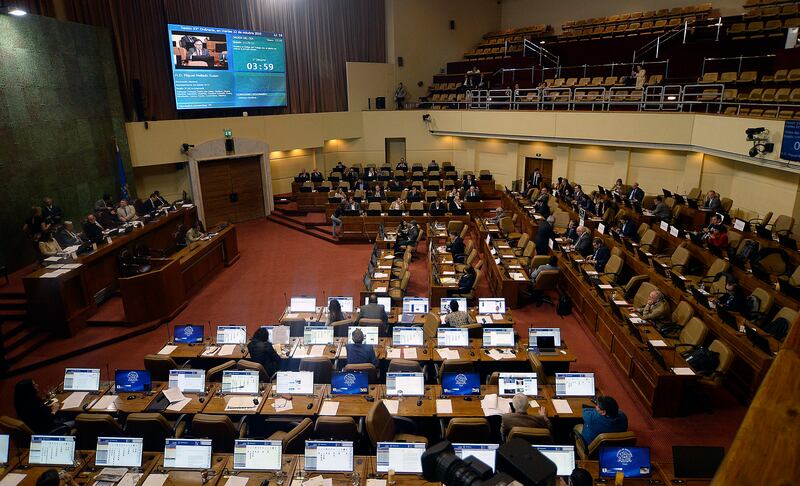
The likelihood of a Parliament dominated by right-wing factions raises concerns about the emergence of “a government without checks and balances,” a dynamic unseen in Chile for the past 15 years. “A scenario where both chambers align with one political ideology could result in governmental overreach,” highlighted Octavio Avendaño.
Amid this political storm, notable candidates span a wide spectrum, from established political figures to media personalities. Among them, Gustavo Gatica, a symbol of the 2019 protests, alongside relatives of presidential hopefuls like Kast’s son and Kaiser’s sister, draws attention.
A Pivotal Moment for Chilean Democracy
This electoral process signifies a critical juncture in Chile’s recent political history, with implications for governance, reform agendas, and the overall health of democracy in the years to come. As the voting date approaches, the stakes remain high, underscoring the necessity for informed participation among citizens.
(With information from EFE)