
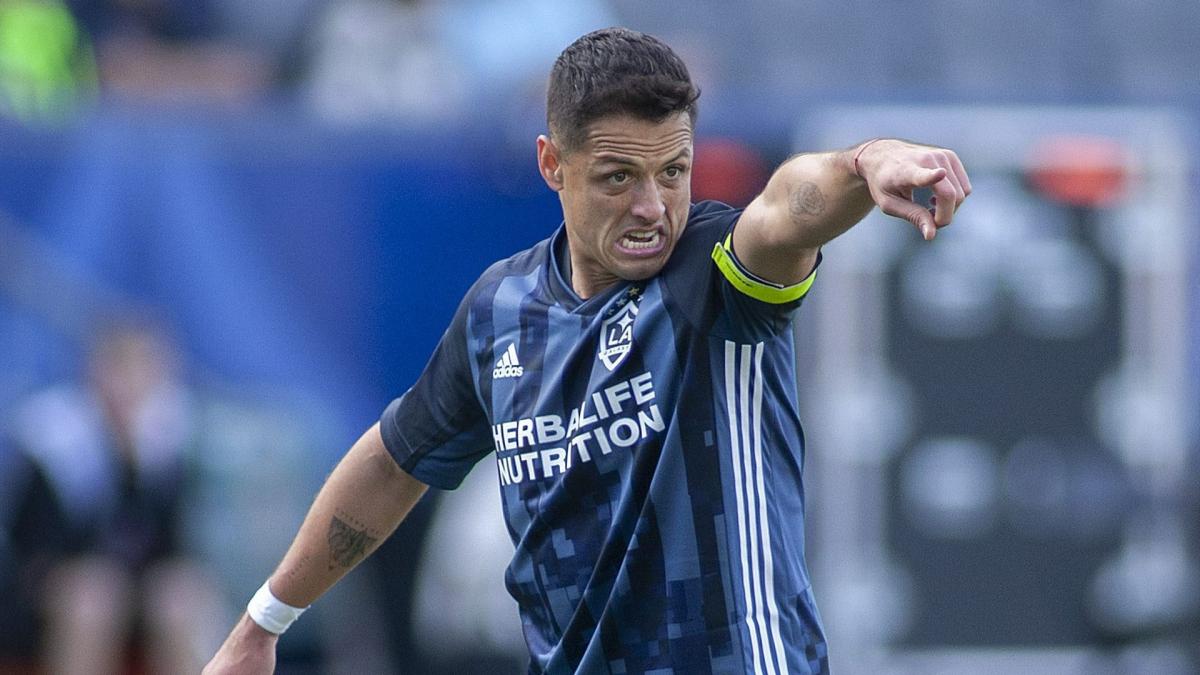
Controversy Surrounds Javier “Chicharito” Hernández Following TikTok Video
The Mexican Football Federation (FMF) has recently taken decisive action against Javier “Chicharito” Hernández, imposing a fine due to his controversial remarks made in a TikTok video. The FMF stated that Hernández’s comments “promote sexist stereotypes considered as media violence and go against equality in sport.” This reflects an increasing concern within the sporting community regarding gender equality and the influence public figures have over societal norms.
FMF Response to Chicharito’s Remarks
In a press release issued on July 23, the FMF made it clear that they do not condone any statements that could harm the integrity of both men’s and women’s football. They highlighted the importance of creating a safe and inclusive environment for all players and fans. The gender and diversity commission within the FMF has opened an investigation into the issue, emphasizing its commitment to act against any forms of discrimination or violence in the football community.
The press release stated, “The FMF gender and diversity commission has opened an investigation to prevent and punish this type of conduct, deciding to impose a fine and a warning to Javier ‘Chicharito’ Hernández, indicating that this commission will take more severe measures in the event of recurrence.” This shows a proactive approach towards ensuring that athletes are held accountable for their actions, especially when they touch upon sensitive social issues.
Analyzing the TikTok Video
In the offending video, Chicharito expressed several contentious views, claiming that women “fail” and “eradicate masculinity,” suggesting that society has become hypersensitive. He further commented that women’s primary roles should revolve around traditional duties—caring for their homes and families—which he described as the “most precious place for men.” His concluding remarks urged women to embrace their femininity and to not fear being guided by men who allegedly aim to make them happy.
These statements have been met with significant backlash online. Advocates for gender equality argue that such remarks perpetuate damaging stereotypes and undermine the progress made towards creating a more egalitarian society. They also believe that athletes, like Chicharito, have a responsibility to use their platforms to promote positive change rather than reinforce outdated norms.
The Wider Impact of Chicharito’s Remarks
Hernández is not just any player; he is one of the most recognizable figures in Mexican football, boasting a vast fan base across Latin America and beyond. His influence extends well beyond the pitch, making it crucial for him to be aware of the messages he conveys. The FMF’s decision to fine him underscores the importance of responsible messaging in sports, particularly when it comes to issues that affect a large and vulnerable demographic, such as women.
Furthermore, the reaction to Chicharito’s comments highlights a broader cultural shift towards zero tolerance for sexism and discrimination in sports. Organizations like the FMF are taking steps to ensure that athletes adhere to standards that promote respect, dignity, and inclusion at all levels of the game.
Calls for Broader Accountability
The incident has ignited conversations about the responsibility of not just players but also coaches, team management, and fans regarding gender issues. Discussions surrounding systematic sexism in sports are gaining traction, as more voices join the chorus advocating for equality. Sports organizations globally are being called upon to develop policies and training programs aimed at combating discrimination and fostering inclusivity.
In adopting such measures, organizations can help create an environment where everyone, regardless of gender, feels valued and respected. This could also include working with athletes to educate them on the potential impact of their statements, thus fostering a culture of awareness and respect.
As the situation unfolds, it is clear that the FMF is committed to not just regulating the statements made by athletes but also instigating a crucial dialogue about gender roles, expectations, and equality in sports. This marks a significant step towards challenging long-standing cultural norms that have hampered progress in gender equality.
The public response and the FMF’s actions signal a critical juncture in sports culture. As Chicharito navigates the consequences of his statements, the broader implications of this incident could pave the way for more substantial changes in the football community and beyond. In an era where athletes have amplified voices and powerful platforms, the hope is that they choose to champion positive change and empowerment rather than contribute to outdated stereotypes.
It is imperative that figures like Chicharito recognize their influential roles and use them to foster a more inclusive and respectful sporting environment, leading by example in promoting equality for all.