
The Rise of Entry Fees for Tourists: A Global Trend
As the global tourism sector continues to recover and even flourish post-pandemic, iconic destinations are wrestling with the implications of overtourism . Cities renowned for their beauty and cultural significance, such as Venice, Amsterdam, and Florence, are starting to charge fees for entry to their most cherished sites. This paradigm shift raises critical questions about the sustainability of tourism and the balance between preservation and accessibility.
Venice has emerged as a pioneer in this new approach. The city, famous for its canals and stunning architecture, plans to implement an entry fee for tourists visiting its historic areas. This initiative aims to mitigate the adverse effects of mass tourism, a problem now echoed in other European countries, most notably the Netherlands.
Costs of Visiting Zaanse Schans
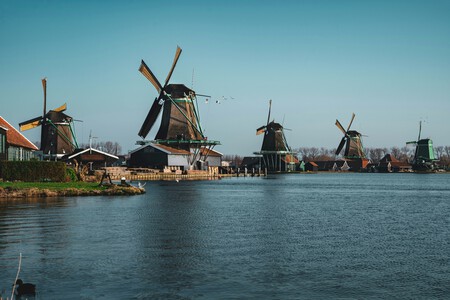
One notable region considering a similar path is Zaanse Schans , an outdoor museum showcasing traditional Dutch culture and windmills. Authorities in Zaanstad, where Zaanse Schans is located, have indicated that tourists may be required to pay an entry fee starting in the 2026 tourist season. The proposed fee of €17.5 aims to control the influx of visitors that has surged, especially as travel returns to pre-pandemic levels.
Zaanse Schans offers a rich experience replete with historical museums, beautiful pathways, and local architecture that draws millions of visitors annually. In 2024, the number of visitors is projected to hit around 2.6 million , with some estimates predicting it could exceed three million in the coming years.
Challenges of Overtourism
The primary goal of implementing an entry fee is to tackle the massification of tourism. Authorities in Zaanstad are alarmed by the potential damage to both the cultural heritage of the area and the quality of life for local residents. Overcrowding has raised concerns over safety and maintenance issues that compromise the very essence of Zaanse Schans.
Interestingly, this isn’t the first time authorities have considered such measures. The issue of overtourism was on the table before the pandemic but was set aside as international travel came to a standstill. With tourism now rebooting, the concerns have resurfaced with renewed urgency.
The Financial Justification
Supporters of the fee argue that the revenue generated will be indispensable for the preservation of historic sites, public safety, and the overall quality of life in the region. The funds collected from the entry fees are expected to facilitate maintenance efforts and improvements in public facilities, ensuring that Zaanse Schans can continue to be a celebrated destination for years to come.
However, not everyone is onboard with this new approach. While some locals recognize the necessity of charging for access, others worry that this could deter potential visitors and damage the local economy reliant on tourism.
A Global Trend in Tourism Management
The conversation surrounding entry fees is not isolated to the Netherlands. In fact, worldwide, many iconic destinations are adopting a similar ethos in response to overtourism concerns. Cities like Venice are already implementing entry fees, while discussions are ongoing in places such as Japan , where visitors face charges to access sites like Mount Fuji, and in Italy , where farmers are installing tolls for tourists crossing their lands.

In Spain, regions like A Coruña are initiating tourist taxes, while Tenerife is considering an eco-tax aimed at conserving natural spaces. Such measures indicate a growing recognition among local governments that sustainability should be at the core of tourism management.
The urgency surrounding these issues is echoed by the growing number of tourists; in the coming years, growth in the region is projected to increase by 37% , according to the Dutch Tourism Office.
Ultimately, the decisions made by places like Zaanse Schans illustrate the delicate balance between welcoming visitors and preserving cultural heritage. While entry fees may create a temporary solution, they also beckon a broader conversation about the future of sustainable tourism and its implications for destinations around the world.