
The Impact of Earthquakes on Cultural Heritage in Kilis
In recent times, Kilis has experienced devastating earthquakes that have significantly affected its cultural heritage. The earthquakes, quantified at 7.7 and 7.6 magnitudes, originated in the Pazarcık and Elbistan regions, inflicting substantial damage on local buildings. Of the 541 registered structures in Kilis, a staggering 391 sustained damage, raising concerns about the preservation of the region’s historical architecture.
Restoration Efforts in Kilis
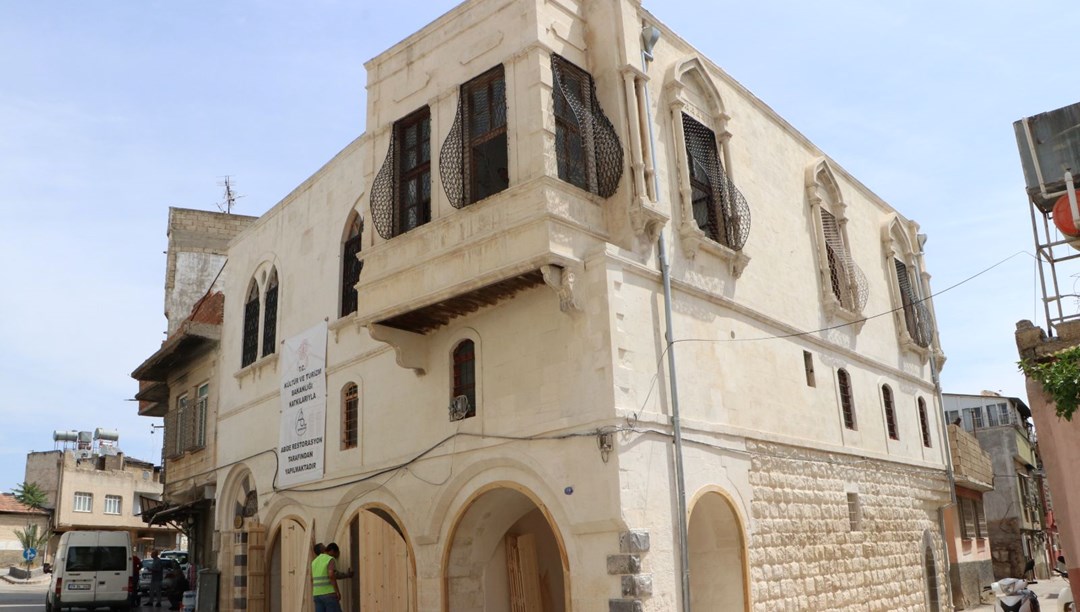
Two years ago, restoration efforts were initiated to bring the historical buildings back to life. As of now, work has been completed on 32 structures, while 20 others continue to undergo restoration. The project process for 126 buildings is currently underway, and there are plans to commence efforts on an additional 213 structures in the coming days. This shows a proactive approach in remedying the historical loss resulting from the recent natural disaster.
According to Hüseyin Erkmen, the Director of the Culture and Tourism Department of Kilis, there is an ongoing commitment to restore the damaged registered structures rapidly. "After the earthquake, the Ministry of Culture and Tourism began restoration activities. They provided grant assistance of 196 million Turkish Lira for 178 registered structures," Erkmen stated, highlighting the government’s crucial role in supporting these initiatives.
Significant Investments for Cultural Restoration
The investment in restoring Kilis’s cultural heritage is vital for the city’s identity and tourism potential. Erkmen stressed the importance of completing restoration projects by 2026, aiming to enhance the city’s appeal to tourists and to restore its cultural significance. "These structures must be revived; they are part of our cultural heritage and vital for the city’s vision. Maintaining, repairing, and restoring these historical houses are essential for culture and tourism," he affirmed. Such restoration projects are not merely acts of rebuilding; they are acts of reviving history and embracing cultural identity.
The Role of Local Communities in Restoration
The local community plays a vital role in supporting these efforts. One notable example is Mehmet İlkat Karabey, the owner of a mansion built by his grandfather in 1860. Karabey shared that with the grant support from the Ministry of Culture and Tourism, the mansion has been restored to its original state. "We restored our mansion with the support of the government and the Culture Directorate. I thank our state, the Culture Directorate, and everyone involved," Karabey expressed. His sentiments reflect the importance of community involvement and government assistance in revitalizing and preserving historical sites.
Long-Term Cultural and Economic Implications
The restoration of Kilis’s historical structures extends beyond aesthetics. It holds significant economic implications as well. By creating attractive destinations for tourists, these efforts can rejuvenate the local economy. Tourists are drawn not only to Kilis’s historical identity but also to its unique cultural experiences. Investing in heritage preservation promises a return in terms of heightened tourism and local economic sustenance.
Moreover, preserving cultural landmarks contributes to the community’s identity. Each restored building tells a story, connects generations, and keeps the rich heritage alive. This connection fosters a sense of pride among locals and encourages them to engage actively in cultural and historical discourse.
Future Visions for Kilis
In line with these restoration efforts, there is a collective vision among stakeholders for the future of Kilis. The aim is not only to restore what was lost but to elevate Kilis as a significant cultural hub in the region. Planned tourist events, cultural festivals, and educational programs surrounding the historical sites are anticipated to arise as the restoration progresses. The future looks promising for Kilis, provided consistent efforts are made to uphold and sustain its historic integrity.
Conclusion
The commitment to restoring Kilis is both a necessary and commendable endeavor, aiming to revivify the cultural landscapes that define the city’s history. As the restoration projects move forward and receive community support, Kilis stands poised to re-emerge as a vibrant destination. The synergy between government initiatives and local participation is crucial for ensuring that the city not only preserves its heritage but also paves the way for a prosperous tourism industry in the years to come.