
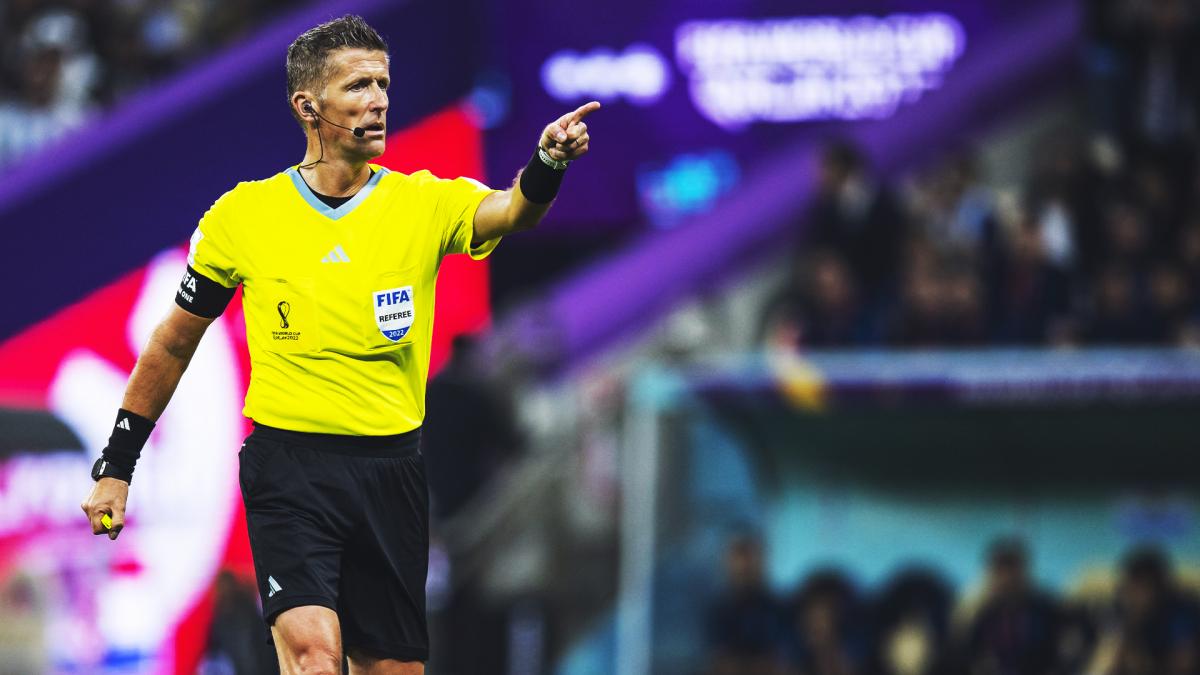
## Overview of Penalty Trends in CdM 2026
As the 2026 World Cup progresses through its early stages, a remarkable statistic surfaces: penalties have become exceedingly rare. With only six penalties awarded over the first forty matches, the tournament has recorded an average of just one penalty every 6.7 games. This represents a substantial drop compared to the previous two World Cups, highlighting a shift in referee discretion and decision-making.
## Comparison with Previous World Cups
Historically, penalties tend to be a regular feature in World Cup tournaments. For context, the 2022 World Cup in Qatar witnessed referees awarding 23 penalties across 64 matches. The record-breaking 2018 tournament in Russia reached an astonishing 29 penalties. By contrast, the current 2026 edition reflects a dramatic decline, with only a handful of teams benefiting—Austria, Germany, England, South Africa, and Switzerland all having received penalties, with Switzerland notably accounting for two of them.
### A Historical Low
This current landscape marks the lowest penalty ratio since the first World Cup held in Brazil in 1950. Such a noteworthy trend prompts discussions about the evolving nature of foul recognition and the specific criteria referees use to determine penalty situations.
## Refereeing Decisions Under Scrutiny
The apparent restraint in penalty awards has sparked debates among fans and analysts. Several contentious incidents have emerged, raising eyebrows and generating discussions around potential missed calls. Notably, during the match between France and Senegal, Sadio Mané’s challenge on Kylian Mbappé in the penalty area was deemed not worthy of a foul. Similarly, Haiti felt wronged when a claim for a penalty was dismissed following a tackle by Grant Hanley against Jean-Ricner Bellegarde.
### The Impact of VAR
The role of Video Assistant Referee (VAR) in this year’s tournament cannot be overlooked. While VAR was introduced to enhance the accuracy of officiating, it appears that this technology has contributed to a more cautious approach to awarding penalties. Referees may be relying on video reviews to support their decisions or avoid making contentious calls that could upset the flow of the game.
## Looking Forward: Knockout Stages and Potential Changes
As the World Cup heads into the knockout stages, the anticipation surrounding referee decision-making intensifies. Will the trend of fewer penalties continue, or will we see a shift as the stakes grow higher? The upcoming matches may witness referees taking a more lenient approach to foul calls, reflecting the increasing pressure of elimination rounds.
### Conclusion
The 2026 World Cup has ushered in an era of unusual restraint when it comes to awarding penalties. While this may contribute to smoother match flow, it raises questions about fairness and consistency in officiating. As fans and teams alike navigate this unprecedented landscape, one thing is certain: the evolution of refereeing standards will remain a topic of interest and discussion throughout the tournament.