

Essential Vitamins for Eye Health
A diet rich in vitamins, antioxidants, and essential fatty acids can significantly reduce the risk of cataracts and other vision-related conditions. According to recommendations from the American Academy of Ophthalmology, these nutrients are vital for protecting the eyes from oxidative damage caused by free radicals that can lead to vision deterioration.
Vitamin C: A Powerful Antioxidant
Vitamin C is crucial for maintaining the health of blood vessels in the eyes. You can find this vitamin in various fruits, such as:
- Oranges
- Lemons
- Grapefruits
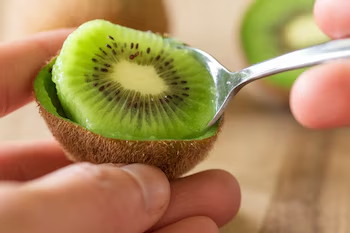
- Kiwis
- Strawberries
- Broccoli
- Bell peppers
A deficiency in vitamin C can accelerate cataract formation, while a regular intake can help mitigate this risk. This vitamin acts as an antioxidant, protecting ocular cells and enhancing overall defense levels in the body.
Vitamin E and Zinc: Protectors of the Retina
Vitamin E and Zinc play a vital role in safeguarding the retina from oxidative stress. Common sources of these nutrients include:
- Nuts (walnuts, almonds)
- Sunflower seeds
- Wheat germ
Both vitamin E and zinc work synergistically to preserve ocular tissues and reduce damage from light exposure.
Carotenoids: Lutein and Zeaxanthin
Lutein and zeaxanthin are carotenoids found in the macula of the eye. They are essential for filtering out harmful blue light, which can contribute to macular degeneration, a major cause of vision loss, especially in older adults. These compounds can be found in:
- Spinach
- Kale
- Chard
- Corn
Including these foods regularly in your diet is crucial for long-term eye health.
Omega-3 Fatty Acids
Omega-3 fatty acids are beneficial for preventing dry eye syndrome and supporting macular health. Found in fatty fish like salmon and tuna, as well as in chia and flax seeds, these fats promote cellular function and help maintain ocular moisture.
Vitamin A: Essential for Night Vision
Vitamin A is critical for retinal health and the ability to see in low light conditions. It is abundant in:
- Carrots
- Pumpkin
- Mango
- Melon
A deficiency in vitamin A can lead to dry eyes and impaired night vision.

Preventive Measures for Eye Health
Experts recommend regular ophthalmological check-ups, especially for individuals with diabetes or other risk factors. By focusing on a nutrient-rich diet and adopting healthy habits, the risk of developing cataracts and other eye conditions can be minimized.
Consuming fresh fruits and vegetables daily, wearing UV-filtering lenses, and avoiding tobacco usage are essential practices for maintaining optimal visual health. By prioritizing these habits, you can take significant steps towards preserving your eyesight for years to come.