

The Diddy Trial: Unfolding Details and Key Testimonies
The ongoing trial of Sean "Diddy" Combs has garnered significant attention due to its serious allegations and the dramatic revelations that have surfaced in recent court sessions. The case revolves around accounts of sexual misconduct, drug use, and the controversial concept of "freak offs," a term that has raised eyebrows among observers and legal analysts alike.
Understanding "Freak Offs"
In a significant development of the trial, Cassie Ventura, a former girlfriend of Combs, detailed what she described as "freak offs." According to Ventura, these occasions were orchestrated by Combs and involved explicit sexual acts that she and male escorts performed at his direction. The testimonies have been graphic and unsettling, revealing a disturbing dynamic between the two. Ventura mentioned in a message to Combs, “Nothing good comes out of FO’s anymore. You treat me like you’re Ike Turner,” referencing the infamous abuser of singer Tina Turner. This comment has sparked discussions about the psychological and physical impacts of such relationships.
Cross-Examination Insights
As the cross-examination progressed, Combs’ legal team shifted focus to Ventura’s long-term, complex relationship with him, spanning nearly eleven years. They examined messages exchanged between the two, some of which contained sexual content and discussions about coordinating “freak offs.” This line of questioning aimed to highlight her role and involvement in these events, even suggesting that Ventura often used drugs independently of Combs. Such testimonies serve to further complicate the narrative surrounding their relationship.
Drug Allegations
Ventura’s allegations extend beyond sexual misconduct. During her testimony, she claimed that Combs supplied her with various illegal substances, including ecstasy, cocaine, ketamine, and GHB. These admissions highlight not only the toxic environment she describes but also raise questions about accountability and influence in their interactions. The court drama unfolds further as Ventura describes physical violence, infections, and sores developed during their relationship.
Courtroom Dynamics and Artistic Representation
Interestingly, while this trial lacks a live-stream feature due to court regulations, courtroom sketches have become a significant aspect of the coverage. Artists are allowed inside the courtroom to render sketches, providing visuals that help communicate the gravity of the proceedings. These artistic representations enable the public to connect visually with the events unfolding in a manner that video footage would.
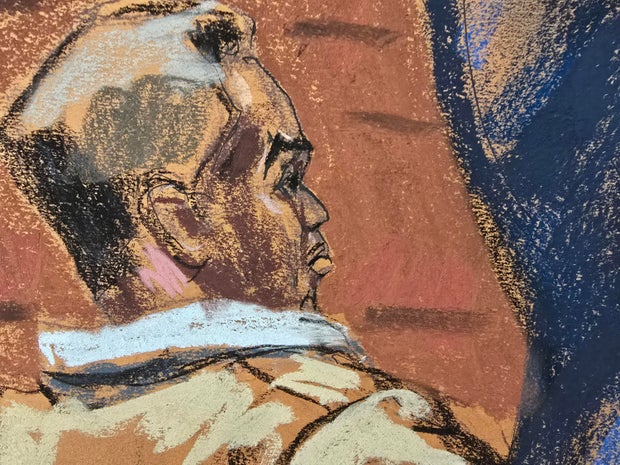
Caption: A courtroom sketch shows Sean "Diddy" Combs during his trial.
Key Witnesses and Testimonies
So far, the jury has been presented with testimonies from key witnesses, painting a more comprehensive picture of the alleged events. Testimonies from Israel Florez, a hotel security guard, and Daniel Phillip, who claimed to have been paid to engage in sexual activities with Ventura, have introduced critical evidence regarding Combs’ behavior. Furthermore, Ventura has openly accused Combs of rape and blackmail, fueling the severity of the trial.
Why this Trial Matters
The implications of this trial extend beyond individual accusations; they tap into larger cultural conversations about celebrity, power dynamics, and the pressing issue of sexual abuse in the entertainment industry. As individuals step forward with their stories, this trial can potentially reshape how similar allegations are treated in the future. Ventura’s courage in relaying personal accounts of abuse provides a significant context for many victims who feel voiceless in today’s society.
Public Interest and Media Attention
With high-profile figures like Combs implicated, public interest in the trial has surged. The exposure in media has sparked debates not just about the individuals involved, but about broader societal issues at play such as consent, agency, and the ways in which power can be exploited in relationships. The trial is a moment of reckoning for many and serves as a reminder of the responsibility that comes with fame and influence.
As the trial continues, more details are expected to surface that could further illuminate the complexities of the relationships examined and the accusations levied, keeping the public and legal experts on high alert. The courtroom remains charged with tension and anticipation, eager to see how this case will culminate and what verdicts will follow from these troubling testimonies.
In conclusion, the Diddy trial offers a crucial lens into the often-hidden dynamics of abuse and control present in relationships marked by power disparity. As we await further developments, it is essential to remain engaged in the narratives that emerge, encouraging dialogue and reflection on the broader issues of sexual ethics and accountability.