
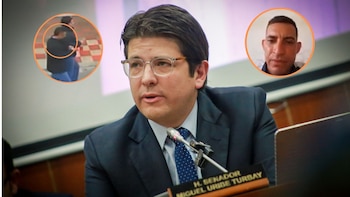
Unraveling the Story of Carlos Eduardo Mora González
Carlos Eduardo Mora González, a Venezuelan citizen, was recently detained for his alleged involvement in an assassination attempt against Colombian senator and presidential candidate Miguel Uribe Turbay. The details surrounding his arrest and the criminal plot that shook Bogotá on June 7, 2025, are both shocking and revealing.
After providing testimony to the Attorney General’s Office , exclusive details have emerged regarding the criminal activities of those involved in this assassination attempt. It serves as a startling reminder of the precarious nature of political life in Colombia.
Now you can follow us on our WhatsApp Channel and on Facebook.
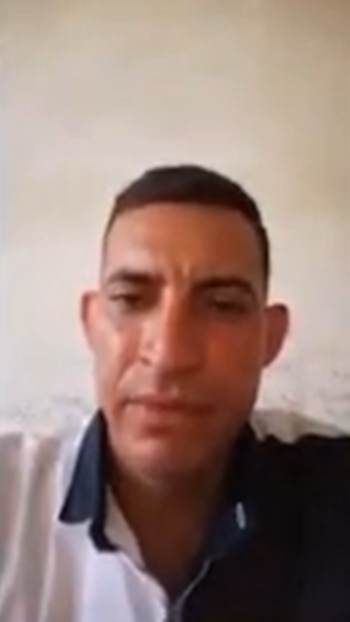
“I picked him up at his house on Friday around 1 or 2 PM. I went in my dark gray Chevrolet Spark,” Mora González recounted during his trial as reported by Semana . He detailed how a co-conspirator, known as “el Costeño,” was outside waiting for him at the time of their meeting.
During his testimony, Mora González indicated that after dropping off the hitman at a specific location in southern Bogotá, their group spent the night drinking and socializing until the early morning hours. In a twist of fate, they even picked up a young woman who claimed to have been robbed and subsequently left her with “el Costeño” at his apartment, while he returned home alone.

“We left him in an area where people sell food. After that, we started drinking and went out with girls. We drank until dawn,” he continued, underscoring the carefree vibe of the evening before the attempt on Uribe Turbay’s life.
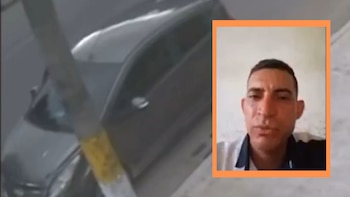
On the day of the attempted assassination, June 7, 2025, el Costeño contacted Mora González to pick him up once more, directing him to the park where the attack would commence. Mora González arrived at around 5 PM, accompanied only by “el Costeño.” Upon their arrival, they encountered a woman and a young hitman who were unfamiliar to Mora González. The woman carried the murder weapon concealed at her waist and handed it over to “el Costeño,” who then passed it to the young assassin.
“On Saturday is when ‘el Costeño’ called and told me to pick him up because we needed to be at the park by 4:30 PM. I picked him up at 4 PM, and we arrived around 5 PM.” Mora González detailed the sequence of events, declaring that he had no prior knowledge of the individuals involved. The three of them then exited the vehicle, and while Mora González remained in the car, waiting for “el Costeño,” he began to grow concerned when they did not return.
“The girl told the boy to take off his jacket and cap. ‘El Costeño’ instructed the boy about the mission,” Mora González elaborated, revealing the tension and anxiety in the air as they prepared to execute their plan. Despite the chilling atmosphere, Mora felt uncomfortable waiting and ultimately decided to leave for home.
In the tumultuous world of Colombian politics, the story of Carlos Eduardo Mora González illustrates the complexity and dangers inherent in such a life. As details of the case continue to unfold, it remains a crucial reminder of the ongoing struggle for peace and stability in a nation grappling with both political conflict and social unrest.