
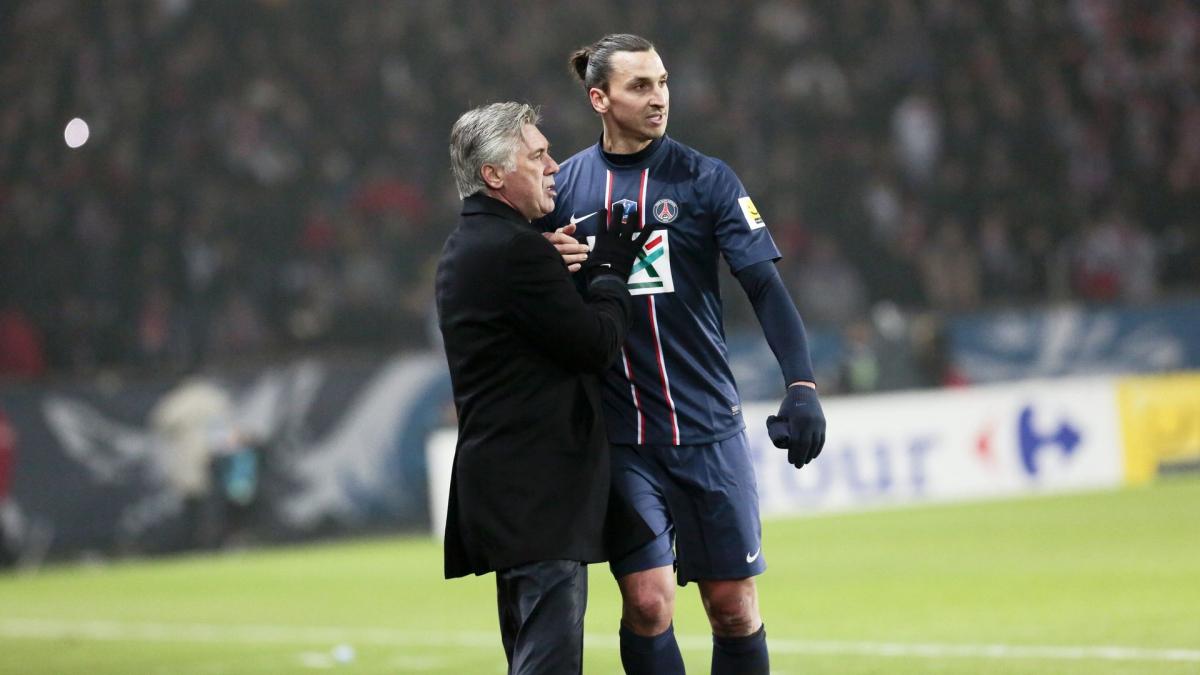
Carlo Ancelotti Reflects on His Time at PSG: A Journey Worth Remembering
In a recent interview with L’Équipe, Carlo Ancelotti, the renowned football manager, shared insights into his time at Paris Saint-Germain (PSG), touching on his relationships within the club, the esteemed Champions League victory, and the competitive landscape of Ligue 1.
Ancelotti, who managed PSG from 2011 to 2013, expressed his satisfaction with his tenure. “I was very happy that PSG finally won the Champions League. He deserved it, practicing very high-level football: technically, physically, and in organization,” he remarked about Nasser Al-Khelaïfi, the club’s president. Ancelotti highlighted the importance of fostering relationships in football, particularly with the leadership at PSG. “I have a very good relationship with Nasser. I have a very good memory of my year and a half in Paris,” he said, reminiscing about his time at the club.
His comments underline a key aspect of football management: the necessity for trust and understanding between a coach and club executives. Ancelotti pointed out the challenges that can arise but emphasized that mutual respect leads to success. “We can encounter problems at the moment, but that’s normal in football,” he stated.
Building a Competitive Ligue 1: A Call for Growth
During the interview, Ancelotti also voiced his thoughts on the need for increased competitiveness within Ligue 1. “Ligue 1 is a championship that needs more competition. He needs teams like Marseille, Lyon, or Nice to grow up to offer more competitiveness,” he said. This perspective sheds light on the importance of rival clubs in creating a dynamic league environment. High-quality competition not only benefits the teams involved but also elevates the overall standard of football in France.
He mentioned that although PSG was strong during his time, the league as a whole would benefit from more robust opposition. “It is vital to give the coach time. When you think you have found the right person, you have to let it work. It is rare in football,” he asserted, emphasizing that only with a stable and competitive environment can teams reach their full potential.
The manager revealed his sentiments about his exit from PSG, noting that while the club’s leadership expressed a desire to extend his contract, his decision to leave was based on various factors. “The club’s attitude after a defeat in Nice in December was not good. But if I had wanted to stay, I could have,” he reflected. Ancelotti’s journey with PSG serves as a reminder that even esteemed coaches must navigate complex relationships and organizational dynamics.
Legacy and Looking Forward
Ancelotti’s impact on PSG and Ligue 1 extends beyond just his tactical acumen; it also encompasses his ability to foster a winning mentality among players. Under his guidance, PSG won the Ligue 1 title and began to lay the groundwork for their eventual Champions League success. His leadership not only helped in developing players like Zlatan Ibrahimović and Marquinhos but also in establishing a culture of excellence that the club continues to strive for today.
Interestingly, Ancelotti pointed out that his relationship with Marquinhos has endured beyond their time together at PSG. This connection reflects the kind of mentorship that Ancelotti is known for, nurturing players not just on the pitch but also off it.
In his concluding sentiments, Ancelotti affirmed the significance of long-term vision in both management and organizational strategy. “It is important to give the coach time,” he repeated, reinforcing that successful football management is about patience and investment in relationships. As PSG evolves and the dynamics of European football shift, these insights from Ancelotti provide valuable lessons for current and future leaders within the sport.
Ancelotti’s reflections resonate well within the football community, as they highlight the continuous need to balance squad management, interpersonal relationships, and the overarching goal of sustaining competitiveness in professional football. Ultimately, his time in Paris may have ended, but the lessons learned and the relationships built will undoubtedly influence his future endeavors in the beautiful game.
As the landscape of European football continues to change, the insights shared by Carlo Ancelotti will remain relevant, reminding us of the intricate tapestry that is woven through competition, respect, and a mutual drive for excellence across the sport. His commitment to fostering relationships and the importance he places on competitiveness in Ligue 1 are essential takeaways for those involved in the football industry.