
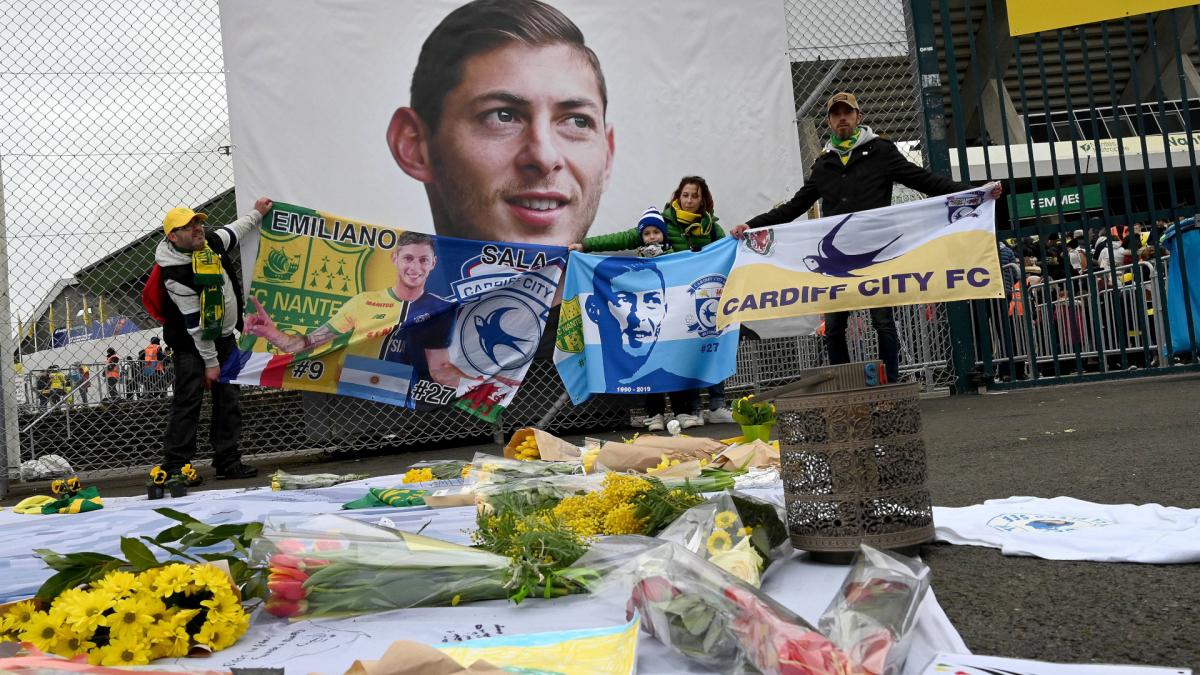
## Cardiff’s Bitter Reaction to Emiliano Sala Verdict
The verdict in the tragic Emiliano Sala case has drawn sharp responses, particularly from Cardiff City FC. Following a lengthy legal battle, a Nantes commercial court ruled against Cardiff City, which had sought €122 million in damages. Instead, Cardiff was ordered to pay €480,000 to FC Nantes, breaking down to €300,000 for damages suffered and €180,000 in procedural costs.
### The Sentiment of Disappointment
Cécile Jones, spokesperson for Cardiff, conveyed the club’s deep disappointment after the ruling. The case revolves around Sala’s ill-fated transfer from Nantes to Cardiff, culminating in a tragic plane crash that claimed his life and that of the pilot. In her comments, Jones expressed a sense of injustice and bitterness regarding the court’s decision and its implications for the integrity of football in general.
> “We deeply regret that the court did not recognize the responsibility of FC Nantes in this tragedy,” Jones stated.
### Questions of Accountability
Cardiff’s contention centers on the perceived lack of accountability surrounding FC Nantes and the role played by agent Willy Mackay, who was involved in the transfer. Jones raised critical questions regarding Mackay’s practices, emphasizing that he operated without a license and that his actions led to dire consequences.
The statement clearly illustrates Cardiff’s frustration with what they see as a failure of the judicial system to uphold principles of integrity and transparency within the world of football.
### Legal Repercussions and Financial Impact
The financial repercussions for Cardiff City are significant. The club not only suffered the emotional toll of Sala’s tragic death but has also faced a financial setback due to the court’s ruling. Paying FC Nantes €480,000 while having initially sought €122 million underscores the disparities in this legal saga.
Moreover, Cardiff’s assertion that Nantes paid more to Mackay than to Sala’s family compounds feelings of bitterness. Jones’s comments highlight a perceived moral failure in the outcomes of this case, suggesting that financial reparations ought to favor the victims rather than those who contributed to the tragedy.
### A Call for Change in Football Practices
Cardiff’s reaction is also a clarion call for reform within professional football. The club’s commitment to bringing transparency to the situation and advocating for the memory of Emiliano Sala suggests a desire for systemic changes that could prevent future tragedies of this nature.
Jones’s statements indicate that Cardiff seeks not only justice for Sala’s memory but also for the improvement of operational standards within football management and player transfers—areas that remain fraught with controversy and potentially dangerous mispractices.
### Conclusion
The outcome of the Sala case has precipitated a wave of bitter feelings from Cardiff City, revealing deeper issues within football’s governance. As discussions progress, the club’s response serves as a critical reminder of the human costs that can arise from procedural lapses and the pressing need for accountability in the sport. The legacy of Emiliano Sala continues to resonate, prompting calls for not only remembrance but also for reform and responsibility in professional football.