
Can’t Handle the Tourists Anymore: The Fujiyoshida Dilemma
A Tourist Gem in Japan
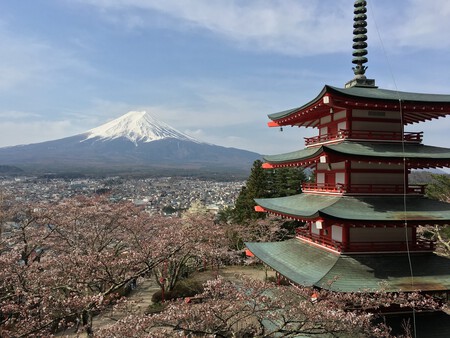
A few years ago, the residents of Fujiyoshida, a charming city in Japan’s Yamanashi prefecture, recognized their hidden potential as a tourist destination. Situated just a couple of hours from Tokyo, the town boasts stunning views of Mount Fuji and is surrounded by breathtaking landscapes, particularly during the cherry blossom season. In 2016, local authorities strategically launched a festival to showcase this beauty, aimed at attracting visitors both domestically and internationally.
Overwhelmed by Success
Fast forward to today, and Fujiyoshida faces an unexpected dilemma: their tourism initiative has been overwhelmingly successful. The festival, drawing in more tourists than anticipated, has led to the decision to cancel the event altogether. The sheer volume of visitors has created disruption and strain on local resources, leading locals to question if the financial gains are worth the inconvenience.
The Economic Impact vs. Quality of Life
At first glance, increased tourism appears beneficial. Millions of yen flow into the local economy, but the residents have expressed that this economic boost does not mitigate the discomfort caused by overcrowding. They believe that having their peaceful way of life threatened is not a fair trade-off, prompting the city’s officials to reconsider their approach towards tourism.
The Problem of ‘Photocall’ Tourism
Fujiyoshida has unintentionally become a photocall hotspot, drawing countless visitors eager to capture the scenic cherry blossoms set against the iconic backdrop of Mount Fuji. While the picturesque scenery offers a dream-like quality, it also creates logistical issues, making daily life challenging for the city’s residents.
Statistics Speak Volumes
According to data from the Kyodo News, the cherry blossom festival previously attracted over 10,000 visitors daily during the peak season and around 200,000 tourists annually—a significant number for a town with a population of 50,000 as of 2020. The massive influx has led to significant changes in the local culture and everyday routines.
The Burden of Overtourism
Reports highlight the severe challenges that arise with such an influx of visitors. There have been instances of tourists engaging in inappropriate behaviors, such as using residents’ bathrooms without permission and leaving behind litter. These actions have stirred feelings of frustration among locals. In the words of the city’s mayor, there’s an “intense feeling of crisis” regarding the overwhelming tourist pressure impacting residents’ lives.
Taking Action: What Comes Next?
In a bid to regain some control, local authorities have decided to cancel the festival for the upcoming year. However, they are acknowledging that tourists will likely still arrive in droves, even without organized events. To manage this unforeseen influx, the city is implementing enhanced safety measures, such as reinforcing security and setting up portable toilets, all while trying to ensure that tourists do not further disrupt the community.
A Broader Trend in Tourism
Fujiyoshida’s situation is not isolated; it reflects a global issue of overtourism. As international tourism rebounds post-pandemic, cities worldwide, including those in Italy and Spain, are grappling with similar challenges as they try to balance tourist attractions with local quality of life. The Japanese government projects that in 2025, the country will welcome roughly 42.7 million foreign visitors, marking an increase of nearly 16% from the previous year.
Conclusion
Fujiyoshida serves as a cautionary tale, illustrating how beneficial initiatives can sometimes lead to detrimental outcomes. The quest for tourism can often overshadow the voices of the very people who live in these destinations. As more communities face the impacts of overtourism, striking a balance between attracting visitors and preserving local life becomes imperative.