
The Cancellation of Russia’s Naval Parade: An Analysis
The Kremlin announced recently the cancellation of the main naval parade traditionally held in honor of the Russian fleet on the last Sunday of July. This decision has stirred a mix of reactions and raised critical questions regarding the prevailing security climate. The announcement highlights not only the significance of the event but also the broader implications for Russia’s military standing and internal security issues.
Background of the Naval Parade
The naval parade has been a fixture of Russian culture and military pride, symbolizing not just naval strength but also national unity. Since its inception, it has grown into a grand spectacle showcasing Russia’s naval capabilities, reinforcing its identity as a formidable maritime power. However, the decision to cancel this year’s parade indicates a shift in how the Russian government perceives and reacts to security challenges.
Official Statements
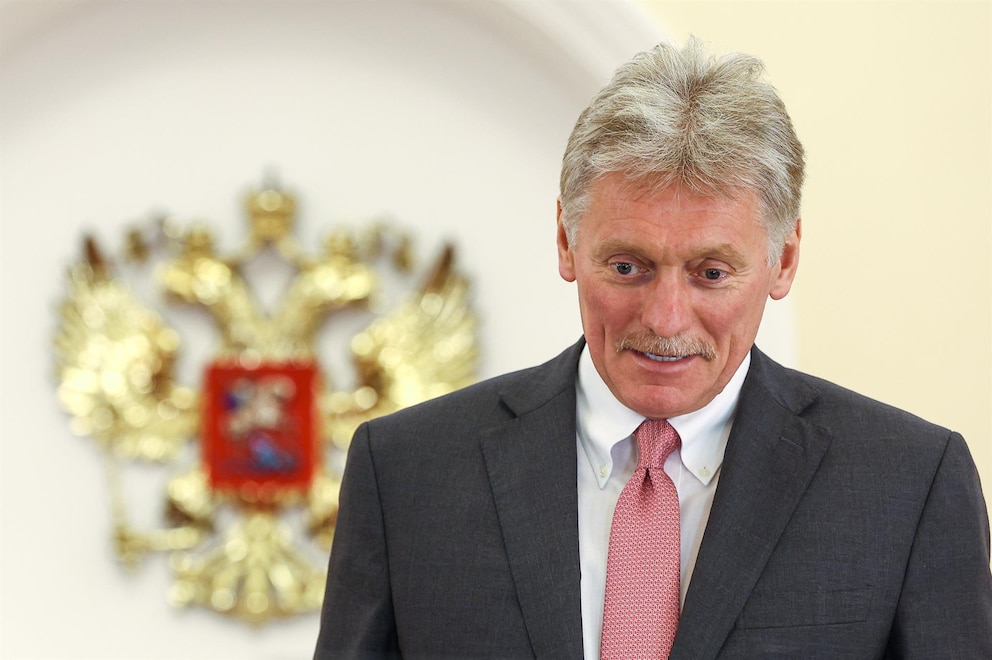
Kremlin spokesperson Dmitri Peskov confirmed the cancellation, attributing it to the “general situation and security reasons.” His remarks reflect a cautious stance by the government, signaling heightened awareness of potential threats both inside and outside the country. Peskov’s confirmation was coupled with a lack of detailed information, leaving the public to speculate on the underlying issues driving the cancellation.
The Transport Committee of St. Petersburg released a statement clarifying that the naval parade and associated celebrations, including fireworks and various watercraft displays, were definitively off the calendar for 2025. The absence of such events not only disrupts a longstanding tradition but also sends a message about the current state of the nation’s security and the actions taken to safeguard it.
Implications for National Security
The cancellation opens a discussion about the security climate in Russia. Following various geopolitical tensions and domestic challenges, the government might be assessing the risks associated with large public gatherings. The naval parade, with its massive crowds and international attention, could be perceived as a potential target for protests or attacks, prompting this preemptive measure.
Moreover, given the ongoing conflict in regions like Ukraine, the Russian government has placed an increased emphasis on safeguarding national interests. The decision to cancel high-profile events signals a move towards prioritizing security over showmanship, reflecting a pragmatic approach amidst international scrutiny.
Public Reaction and Media Response
The response from citizens has varied, with many expressing disappointment over the cancellation of an event that has historically united the maritime community. The naval parade has not only been a military display but also a celebration for families and veterans. The loss of such an event has led to mixed sentiments, primarily rooted in nostalgia and national pride.
Media outlets have circulated opinions ranging from frustration to understanding, pointing out that security must come first. Critics, however, argue that the cancellation could be viewed as a sign of weakness, potentially undermining public trust in the government’s ability to maintain stability.
Conclusion
The decision to cancel the naval parade underscores the complex interplay between national security and public celebration within Russia. As the world watches closely, the Kremlin’s choice raises questions about the broader implications for Russian military strategy and public sentiment. In the face of mounting uncertainties, the Russian government seems to be opting for a fortified, cautious approach, reflecting the precarious landscape of both domestic governance and international relations. While the cancellation may dampen patriotic spirits this year, it serves as a reminder that in times of turmoil, the preservation of safety often outweighs the celebration of might.