
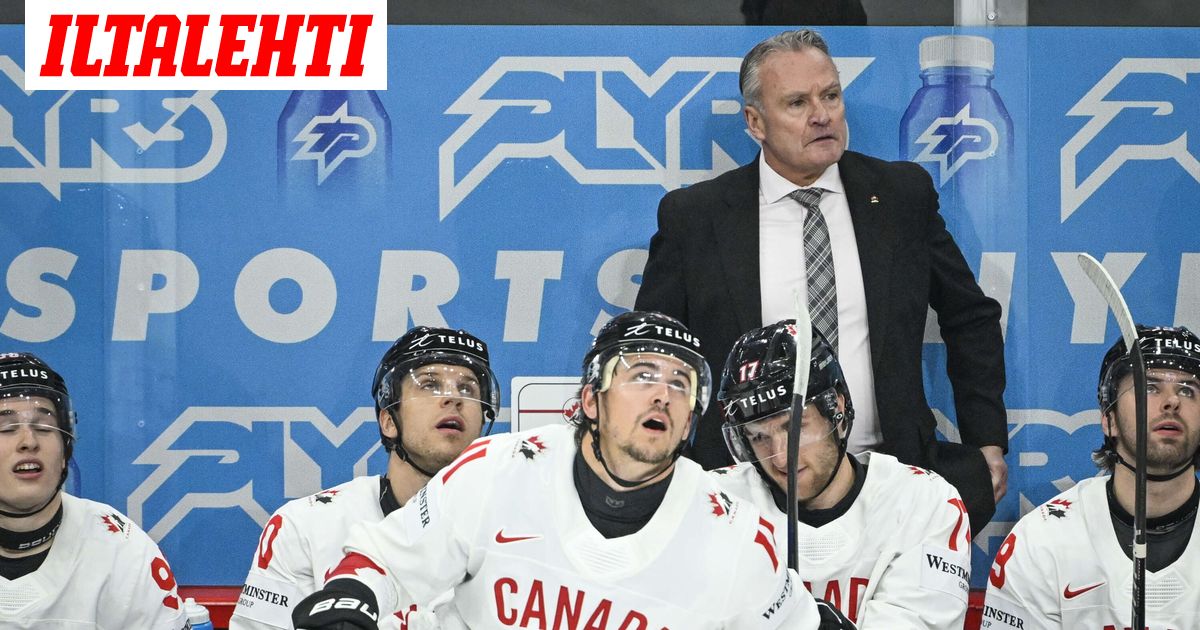
Canada’s Shocking Exit from the IIHF Championships
In an unexpected turn of events , the Canadian national hockey team, laden with NHL stars, faced a stunning defeat against Denmark, losing 2–1 in a shocking upset. This defeat not only sent waves through Canada’s hockey community but also drew attention in the latest IIHF Power Rankings . Fans and analysts alike were left in disbelief as they witnessed the tournament’s second host nation obliterate the Canadian hopes of advancing.
The IIHF’s tradition of issuing Power Rankings has long been a source of conversation, and Canada’s recent loss is a significant topic in this year’s discussions. Following the unexpected defeat, the ranking cleverly comments on the difficulties faced by the Canadian team , indicating that the nation may need a significant reassessment of its strategy moving forward. “It was a tough night for the fans,” one analyst remarked, hinting at the broader implications for Canadian hockey pride.
Denmark: The Underdog’s Triumph
On the other hand, Denmark has been praised profusely following their incredible victory against Canada. “The team of destiny,” was how some commentators referred to Denmark, who has shown remarkable resolve and skill throughout the tournament. This match has raised spirits and provided a sense of national pride for Danish fans, as they witness their underdog team performing beyond expectations.
The success of teams like Denmark indicates that the dynamics in international hockey are shifting. No longer are these games merely played by the traditional powerhouses. Other nations are stepping up to the plate, showcasing strategic gameplay , skill, and, most importantly, the heart to compete. Denmark’s win is a symbol of hope and determination , effectively challenging the historical dominance of teams like Canada and Finland.
Finland’s Disappointment Against the USA
Finland also faced disappointment recently, suffering a defeat at the hands of the United States by a score of 5–2 in their quarterfinal match. Similar to Canada, this defeat has raised eyebrows among analysts who scrutinize the current state of Finnish hockey. The assessment in the IIHF Power Rankings is unyielding, suggesting that “there’s no ghost, no mojo,” a reference to the absence of pivotal players from previous years, such as Marko Anttila , who have historically delivered in crunch moments.
This absence has had a tangible effect on the Finnish team’s performance , raising questions about roster selections and coaching strategies. The defeat against the USA was not only a blow to their championship aspirations, but it also sparked discussions about a much-needed reconstruction of their playstyle and team synergy, aiming to reclaim their former success in future tournaments.
Analyzing Team Strategies
Both Canada and Finland are now left to reflect on their performances and adapt for the future. Canada , known for its strong emphasis on physical play and skill, may need to incorporate a more dynamic strategy that caters to the rising competition. As seen in their match against Denmark, underestimating opponents can lead to unforeseen pitfalls.
Finland, on the other hand, must evaluate their roster carefully. Investing in younger talents while balancing the experience of seasoned players will be crucial going forward. Both teams have a wealth of talent at their disposal, and the challenge lies in effectively harnessing this talent to execute tactics that can handle the unpredictability of international competitions.
The Changing Landscape of Ice Hockey
The IIHF tournaments reveal more than just scores; they showcase the evolution and changing landscape of ice hockey itself. The victories of teams like Denmark are indicative of a broader trend in international sports, where strength in depth can no longer be underestimated. The hockey world is witnessing a diversification of talent and strategies, which makes each match an unpredictable spectacle.
As we head deeper into the era of competitive international hockey, the traditional powerhouses will need to step up their game. Each tournament brings fresh prospects and challenges, reminding teams that complacency can lead to significant setbacks.
Conclusion
In summary, the recent defeats of Canada and Finland serve as a timely wake-up call for both nations. The standings in the IIHF Power Rankings are not just numbers—they’re reflections of evolving standards in international hockey. As teams like Denmark rise to prominence, both Canada and Finland must regroup and re-strategize to reclaim their rightful places among the elite in future tournaments. The journey of ice hockey is an ongoing saga, filled with drama and surprises that keep fans on the edges of their seats.