
Can Florentino Pérez Sign Mourinho or Renew Vini Amid Election Process?
The Impending Election
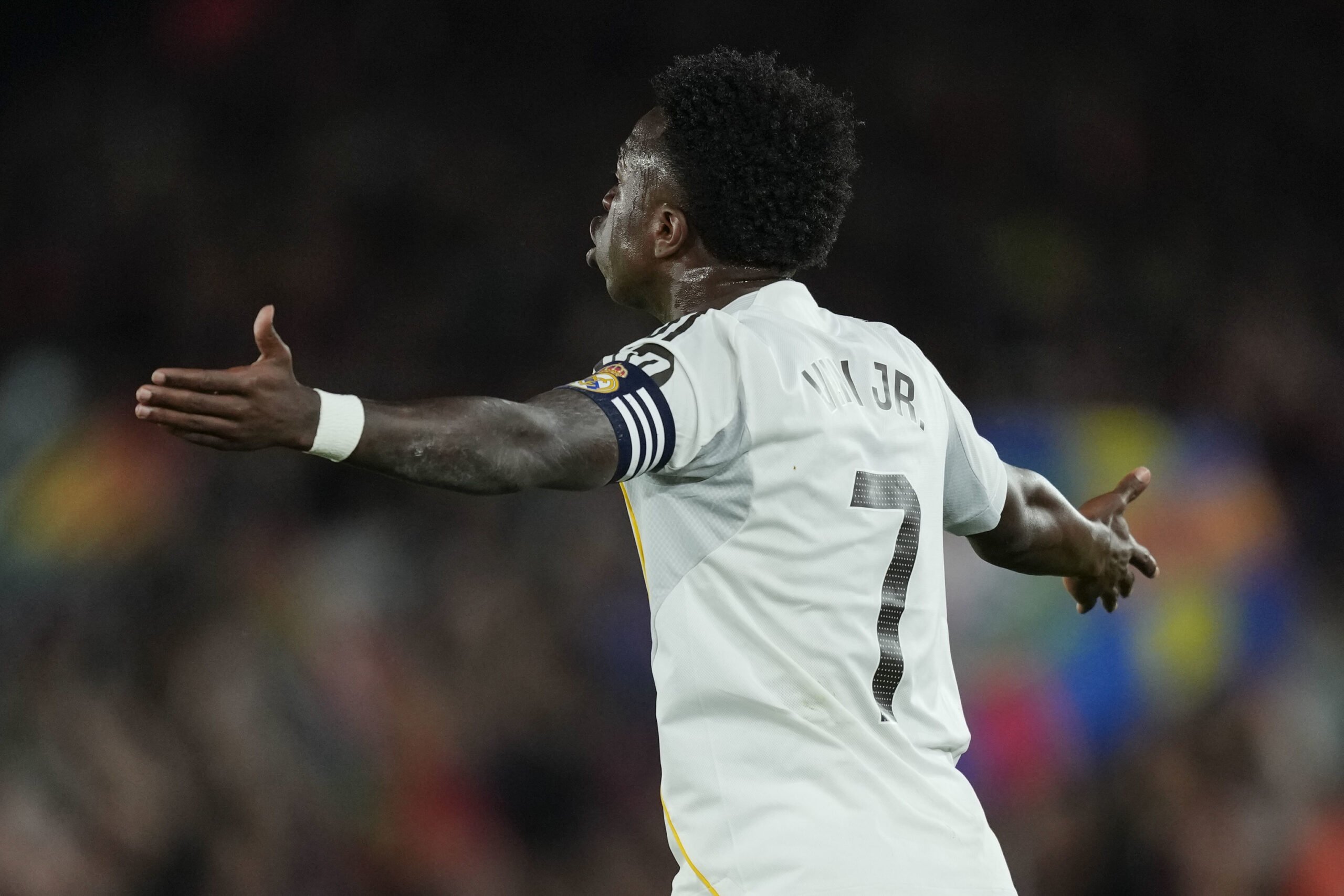
In a shocking press conference, Real Madrid’s president Florentino Pérez announced upcoming elections while also stating his intent to run for re-election to “defend the members.” This has opened up a crucial question: how much maneuverability will the club have in the transfer market, particularly regarding the potential return of José Mourinho and the renewal of Vinicius Junior?
Understanding Electoral Timelines
The electoral process at Real Madrid is governed by Article 40 of the club’s statutes. Elections can occur under four scenarios: the end of a term, the president’s decision, resignation or disqualification, or a vote of no confidence. In this case, it falls under the second scenario, as Pérez’s term was set to run until 2029.
The Electoral Board has 48 hours to announce the elections publicly, followed by a period of 10 natural days for candidacy submissions. Candidates must have been members for over 20 years and must provide a personal guarantee of 15% of the club’s overall budget, roughly equating to €187 million.
Process and Challenges
Once candidacies are submitted, the Electoral Board verifies them the following day. If any are disqualified, there are two days for appeals. In a scenario where only one candidate emerges, that individual is automatically elected, as Pérez has experienced multiple times since 2009. If multiple candidates arise, elections must take place within an additional 15 days.
During this election period, which could span approximately one month, how does normal club operation continue? According to Article 39 of the statutes, Pérez and the outgoing Board will retain their full functions until the newly elected Board assumes its duties.
Legal and Ethical Implications
Legally, Pérez and his Board could pursue both the signing of Mourinho and the renewal of Vinicius Junior during this election process; these moves amount to tens of millions of euros. However, ethical considerations might deter Pérez from committing the club to such “mortgages” for three years for the coach and five for the player, when there’s uncertainty about his presidency post-election.
The Commerce Code Perspective
As Álvaro Gómez de la Vega from Jofre Sports Law explains, any contracts potentially signed by Pérez would hold legal validity, meaning any incoming candidate would be compelled to honor them. However, the feasibility of including clauses that might allow for cancellation based on a change in presidency could be limited. Such clauses might be interpreted as favoring one party unfairly, and simply changing the club’s president usually does not equate to a change in control.
The Impact of Upcoming Events
With the World Cup approaching in the U.S., Canada, and Mexico, the urgency for Real Madrid to finalize these deals increases. The club aims to have these operations completed, potentially along with player exits, before the tournament kicks off.
Conclusion
So, can Florentino Pérez finalize these significant operations? Yes, he has the capacity to do so legally. Whether he should proceed is a question steeped in ethics and the greater responsibilities of a president, especially amid an election cycle. The next few weeks will reveal not only the club’s immediate future but also Pérez’s legacy within Real Madrid.